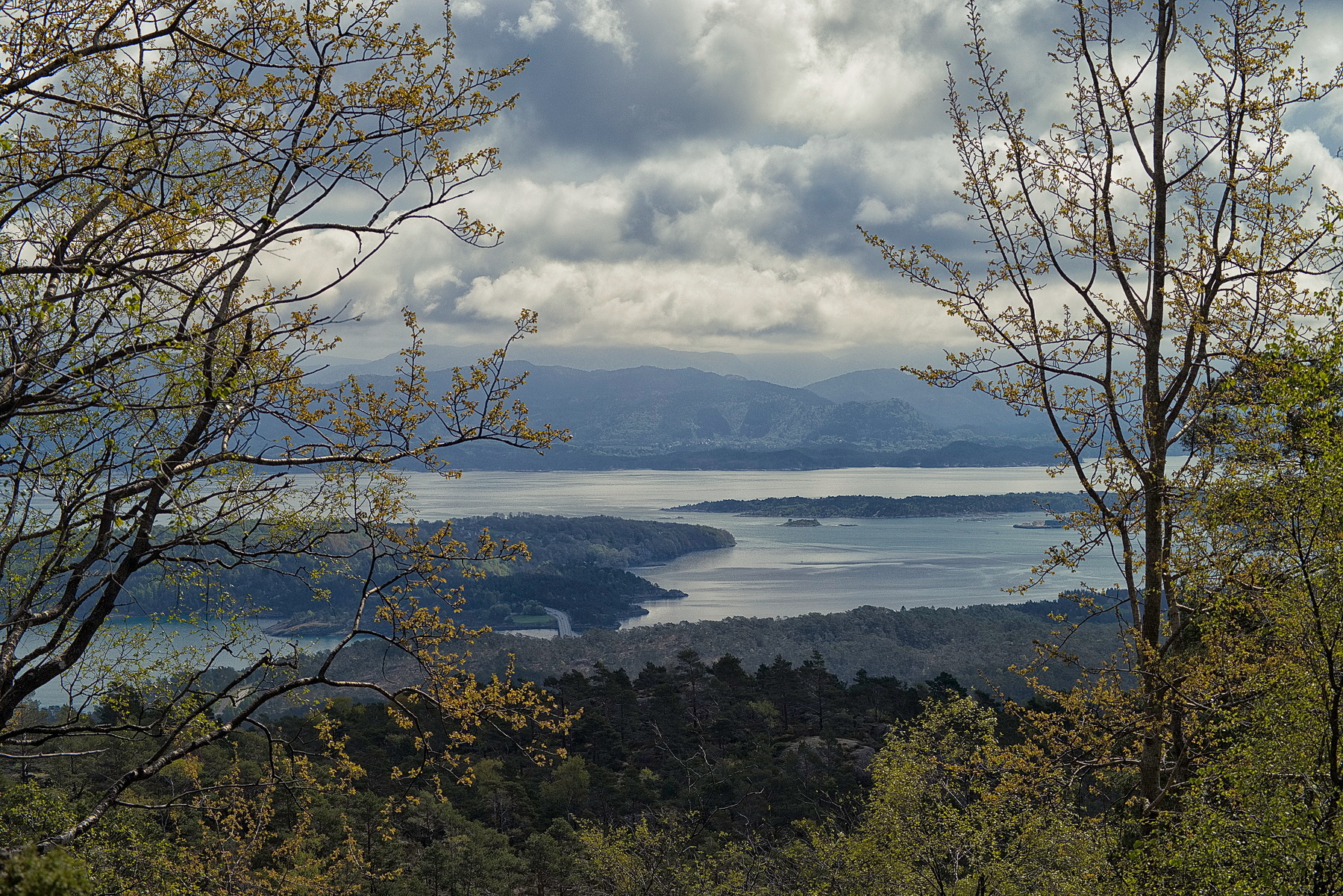
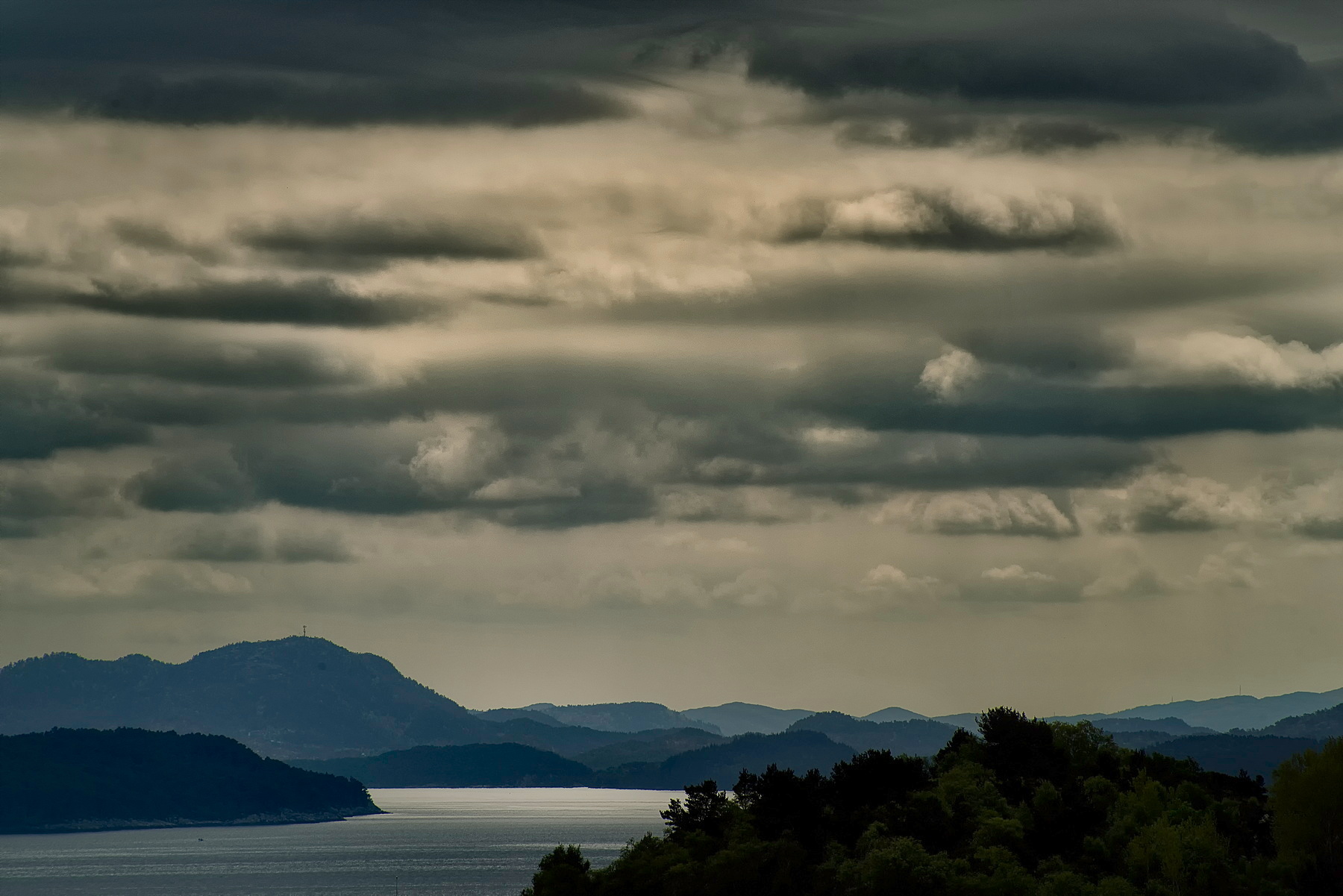
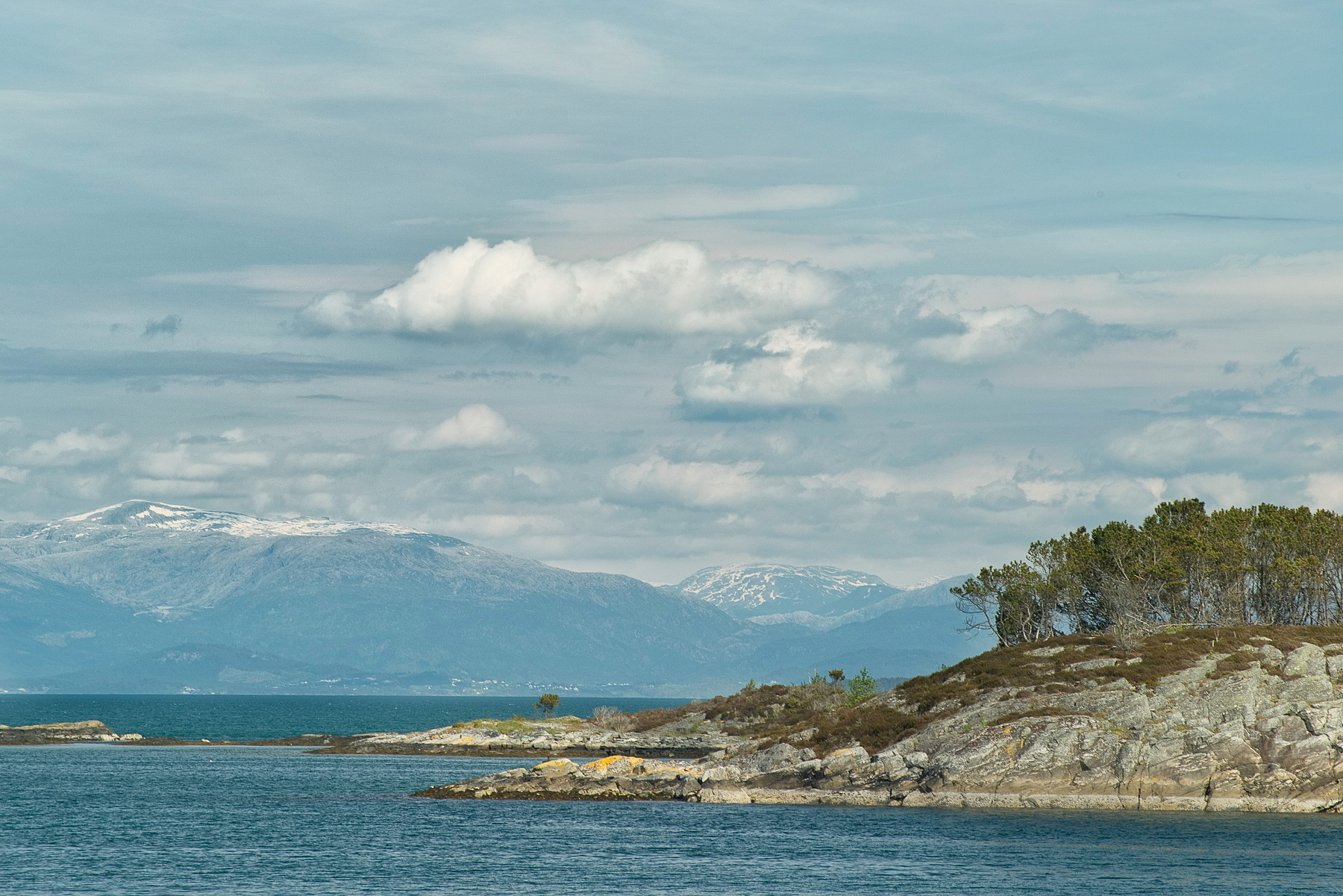
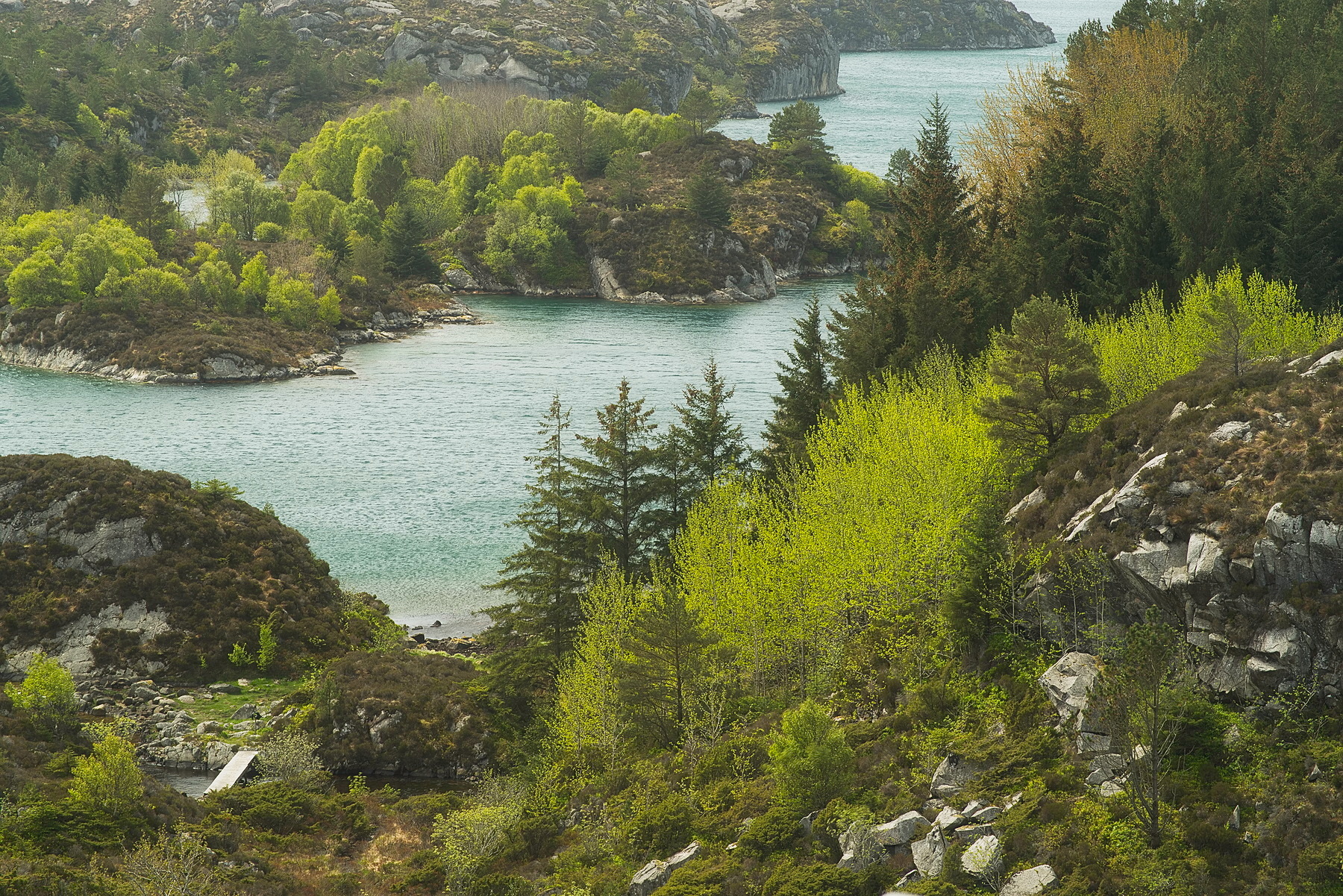
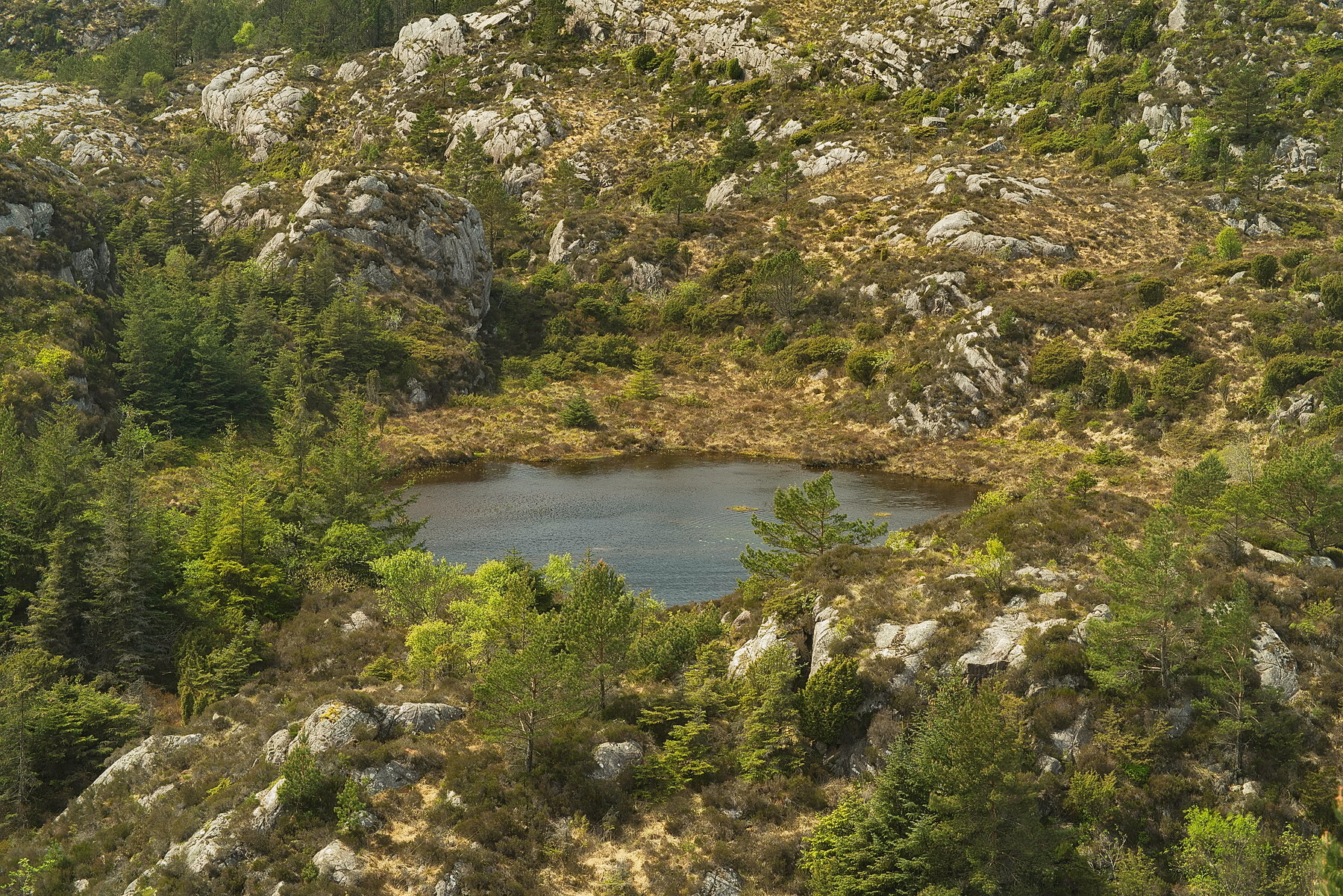
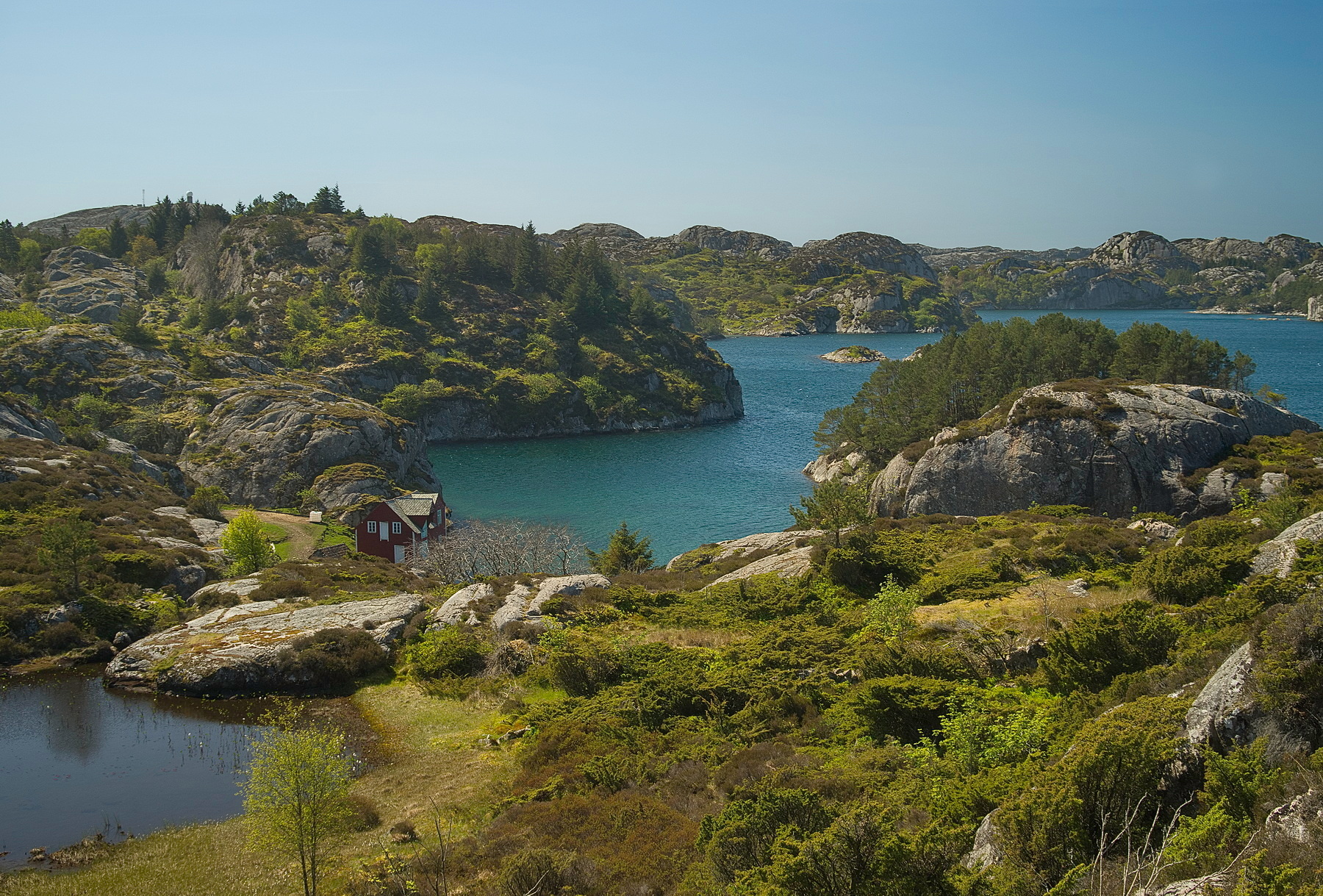
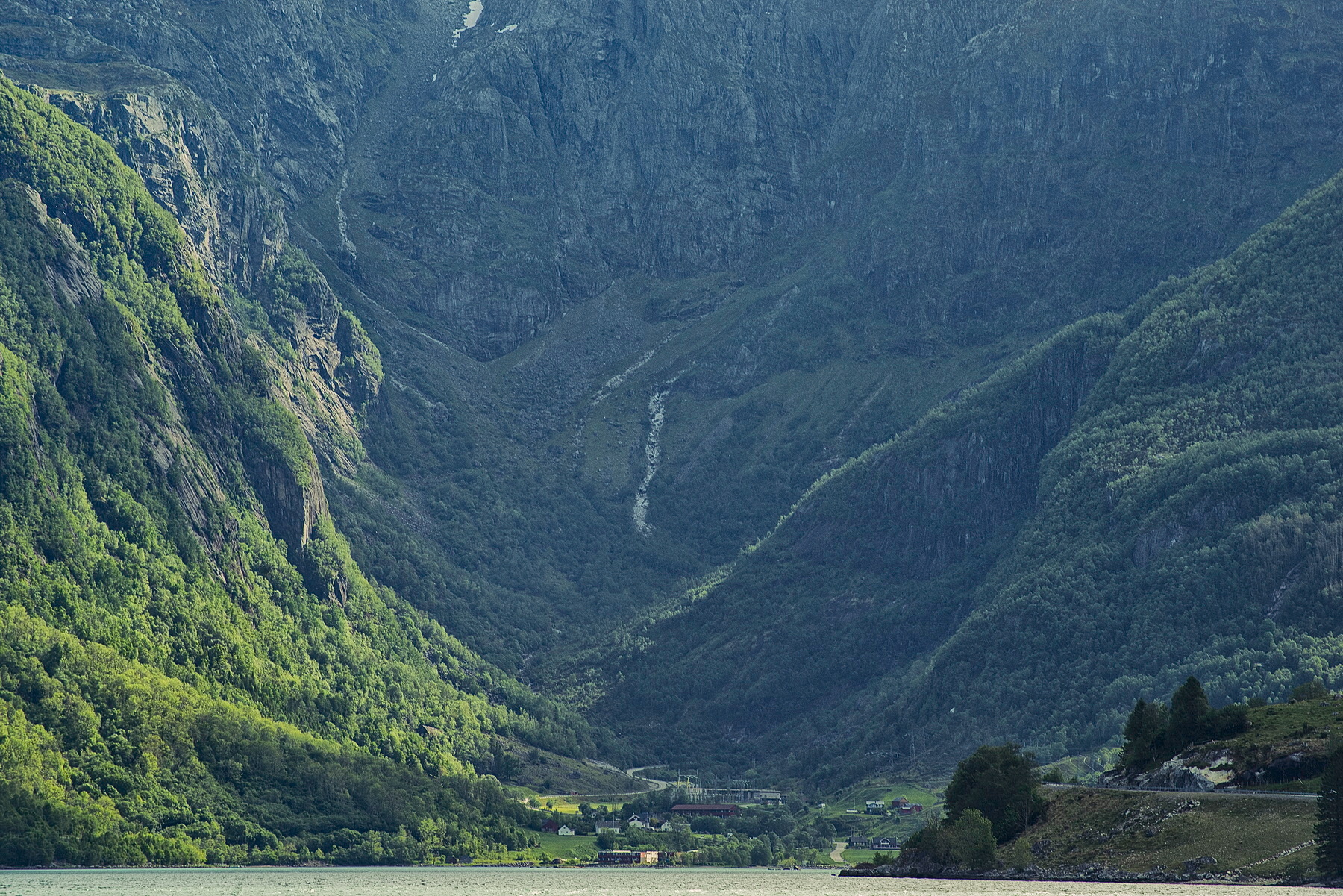
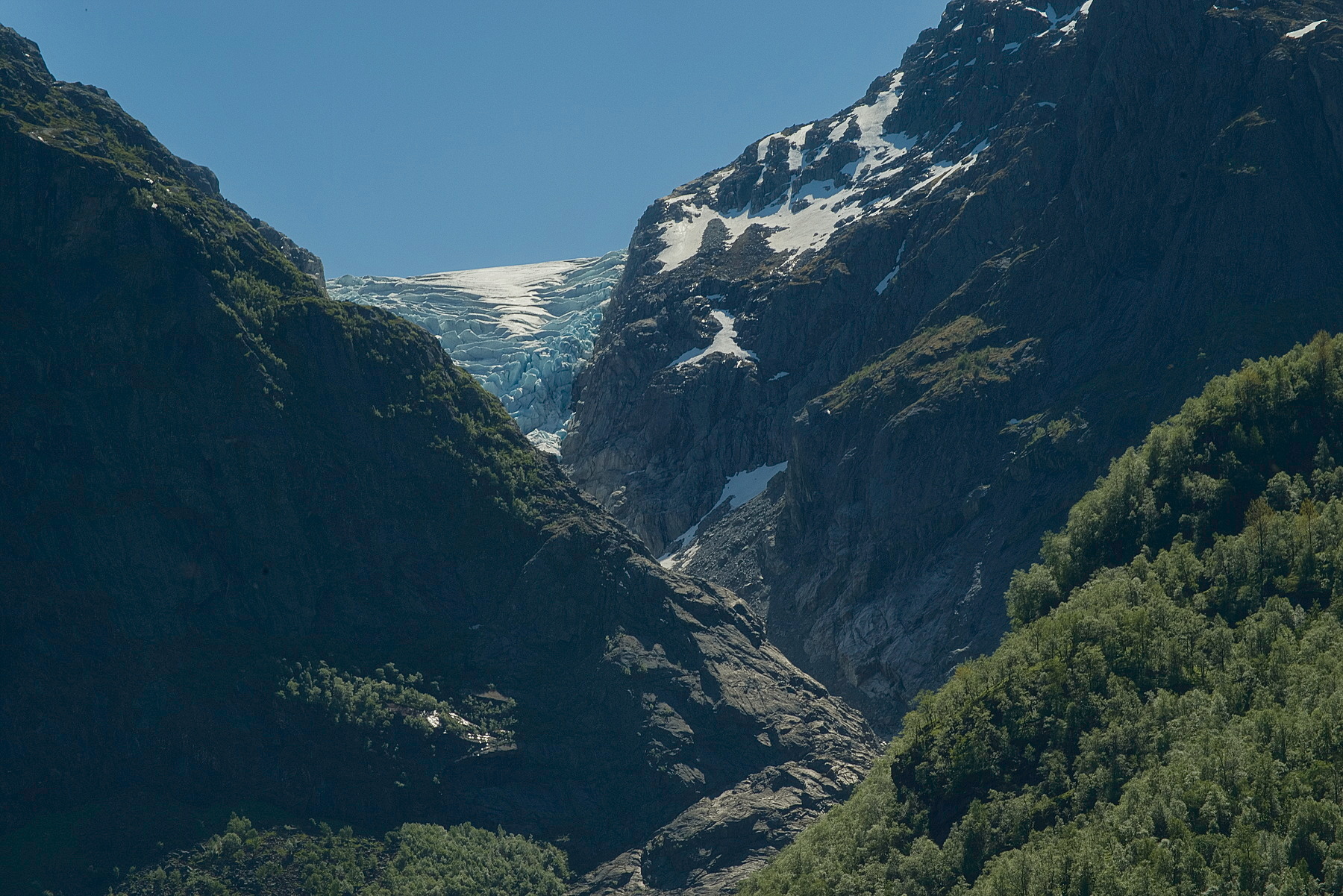
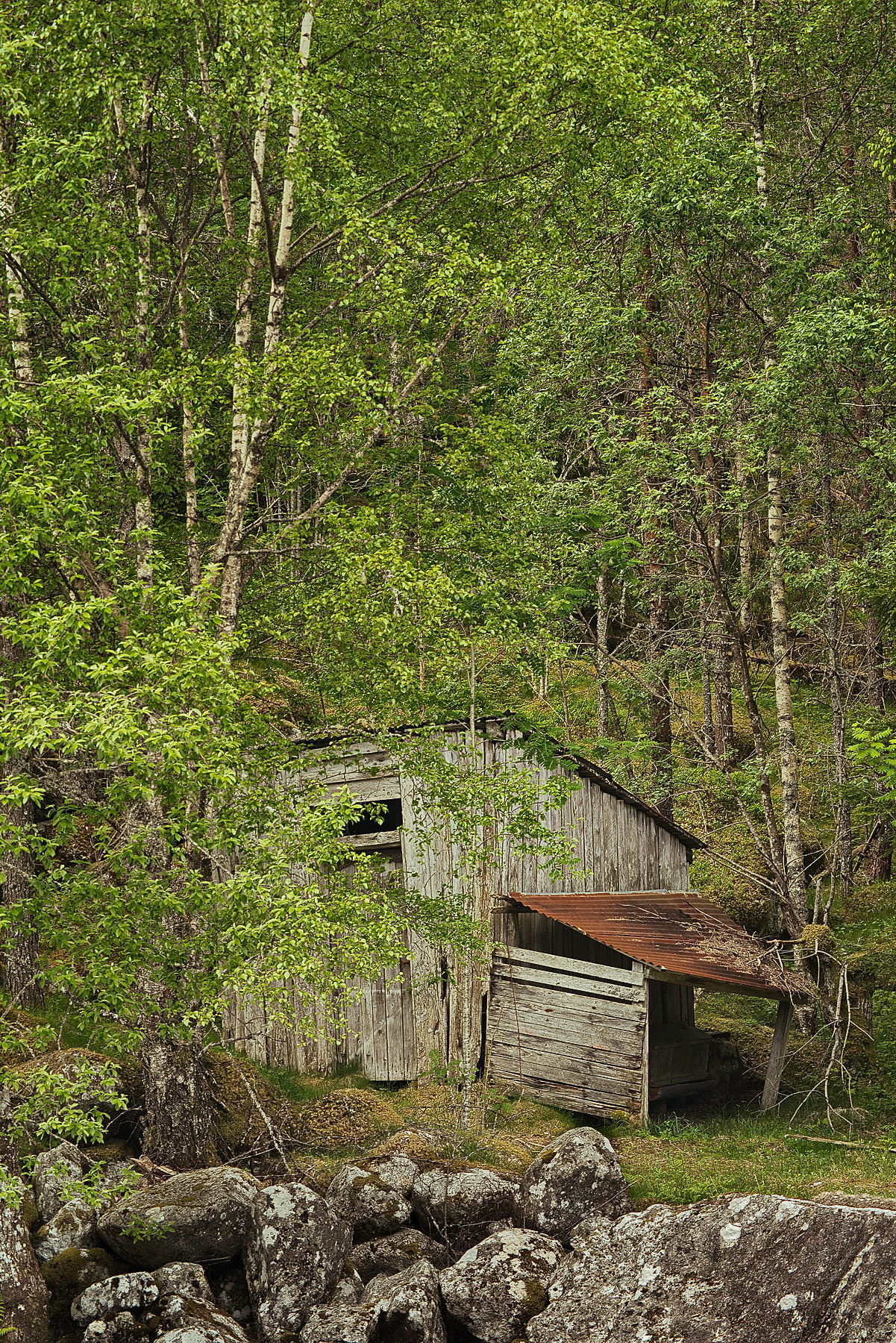
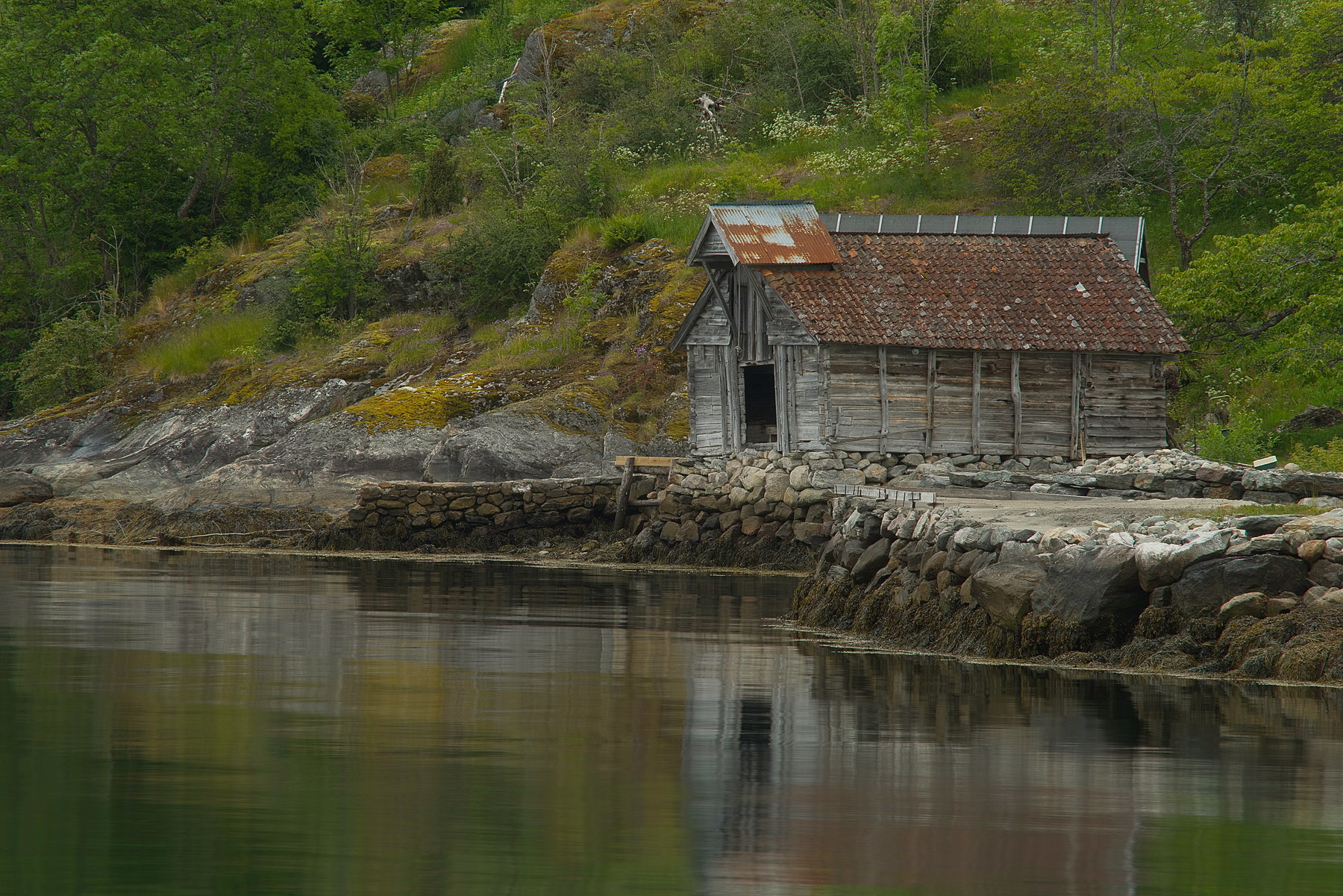
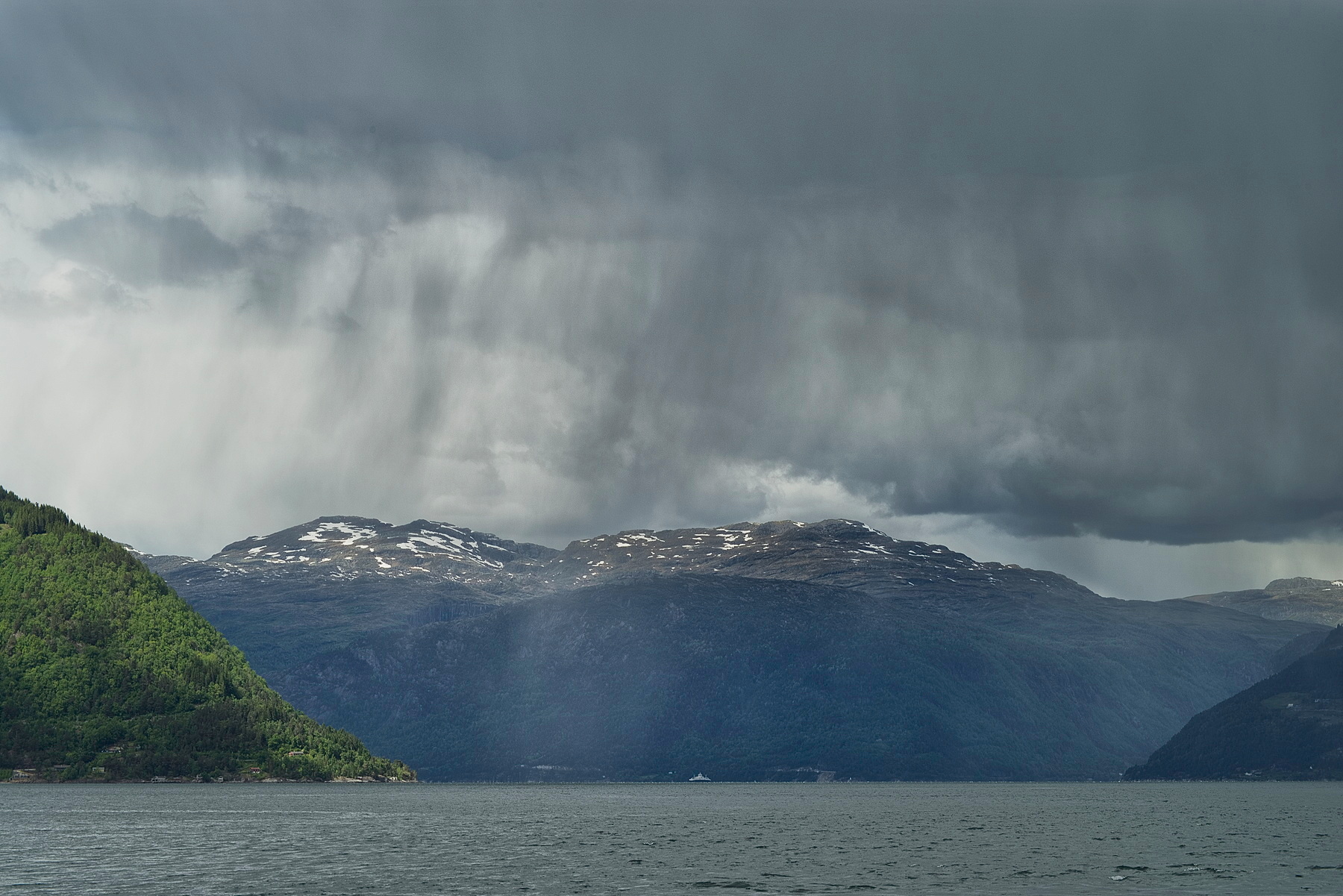
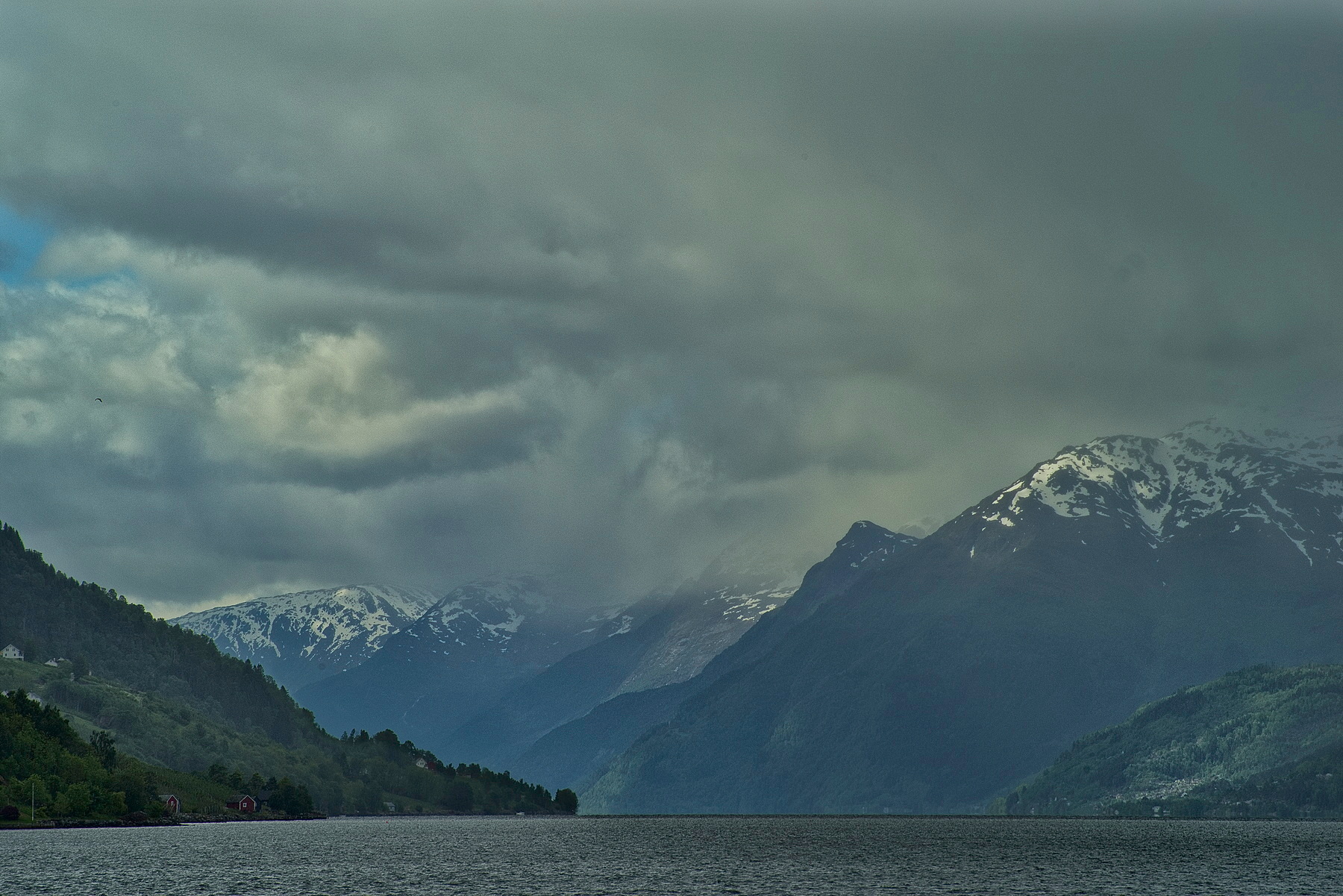
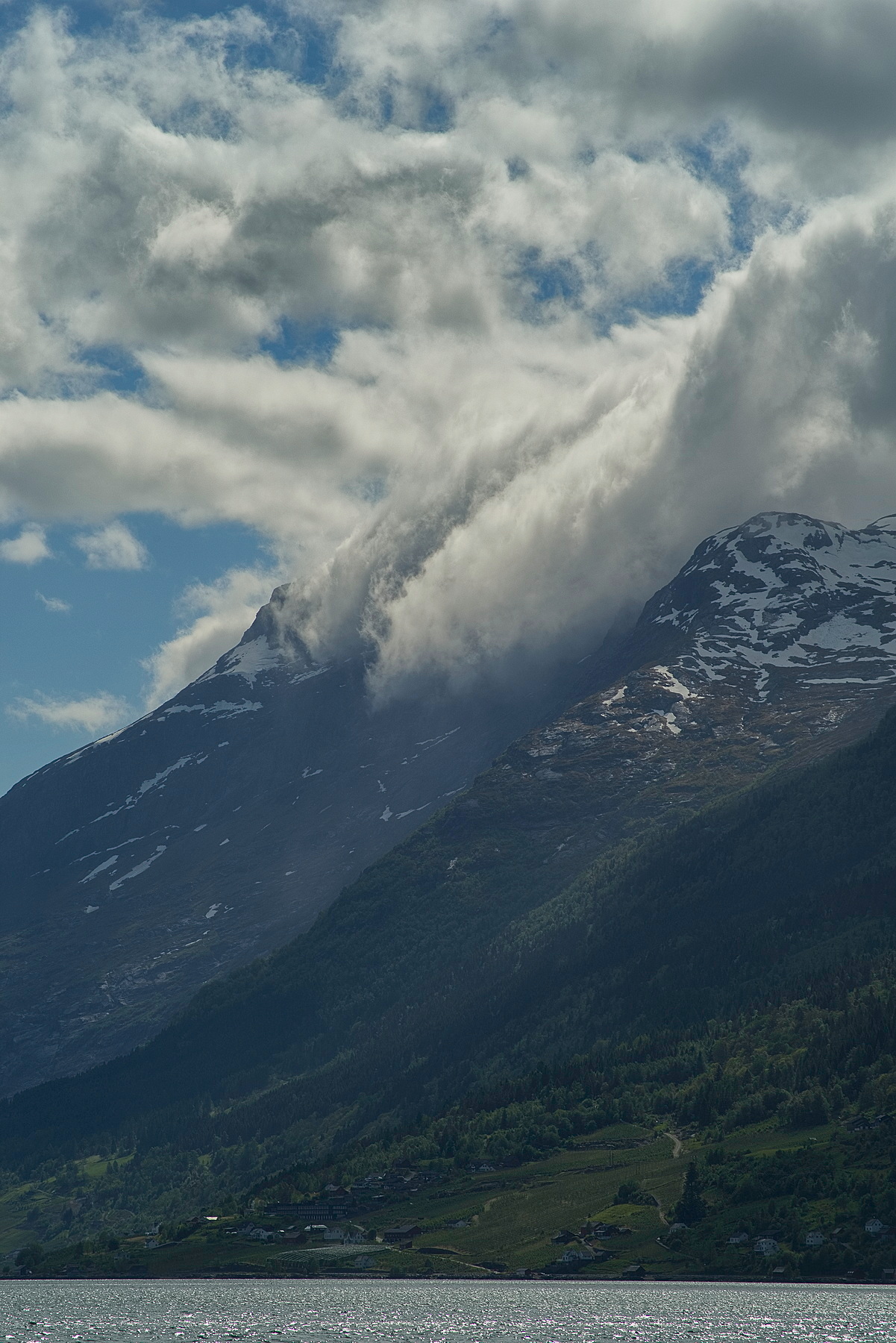
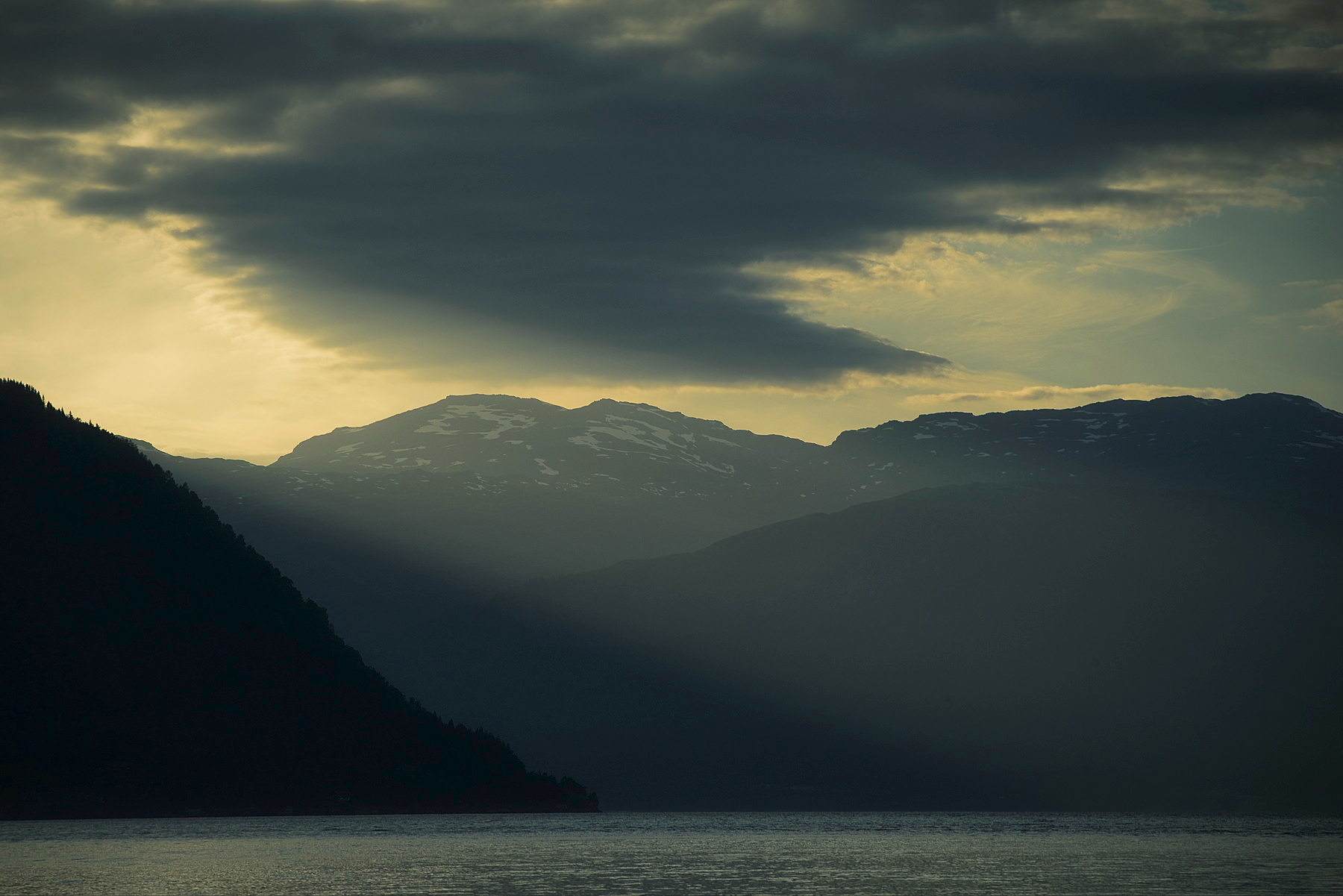
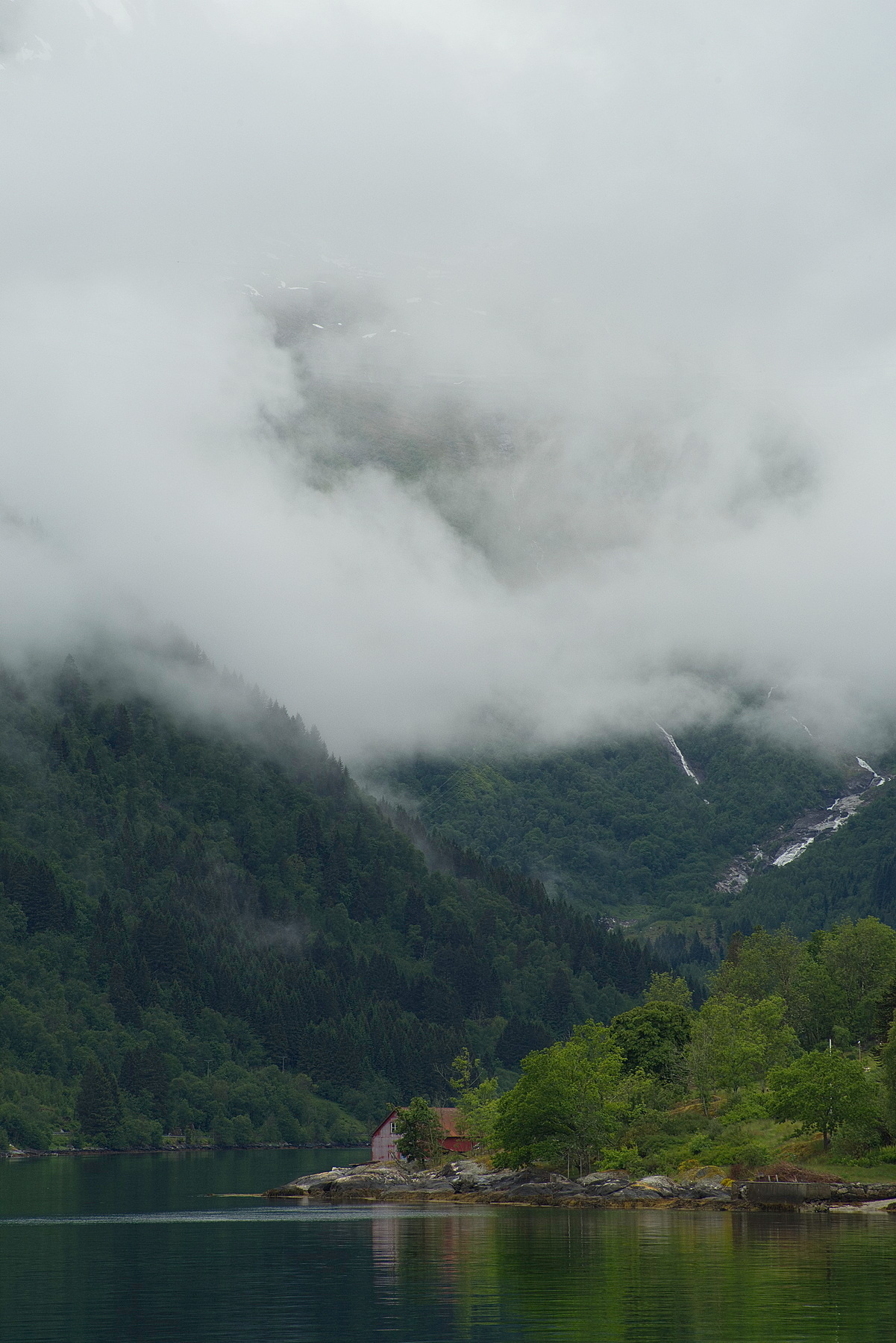
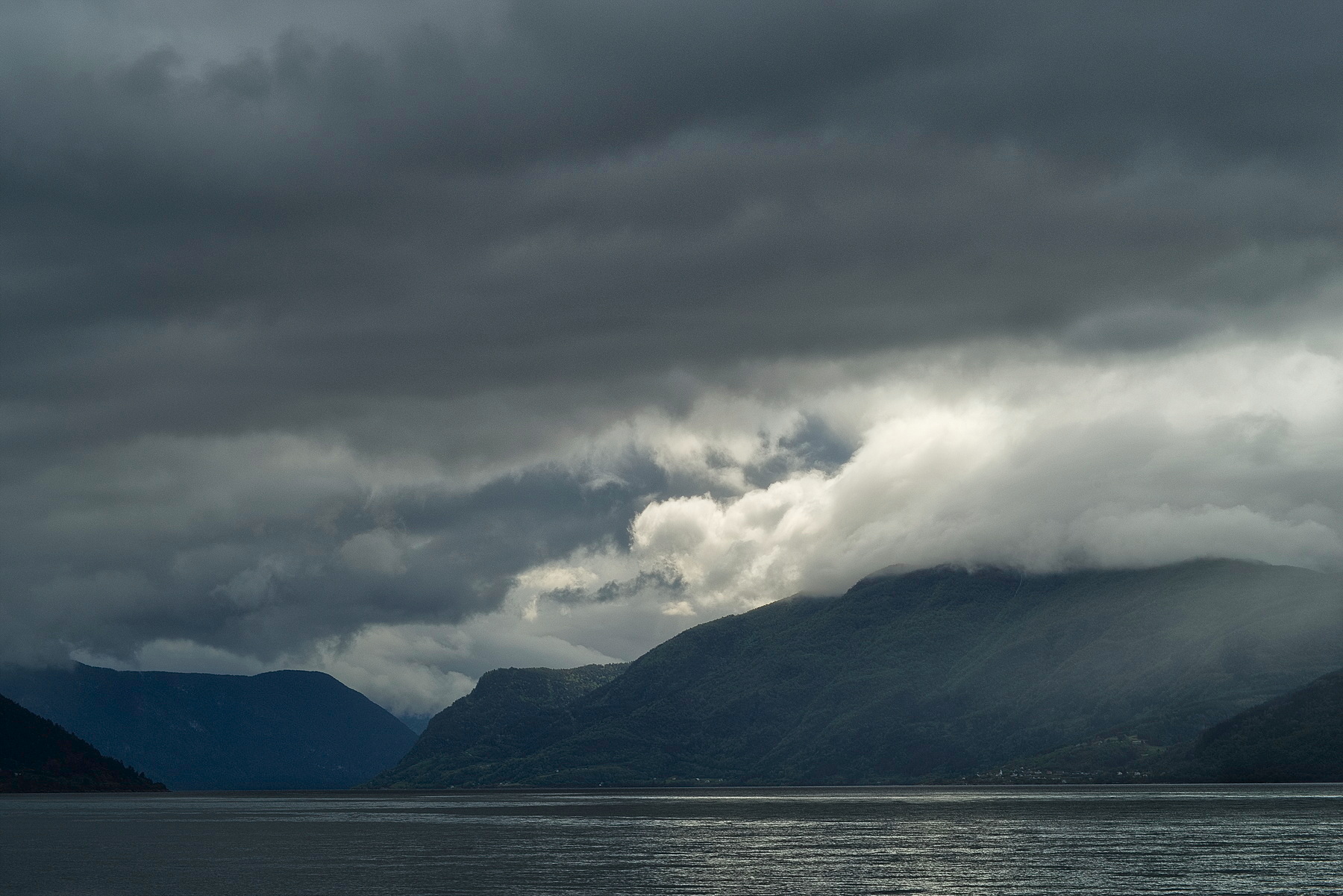
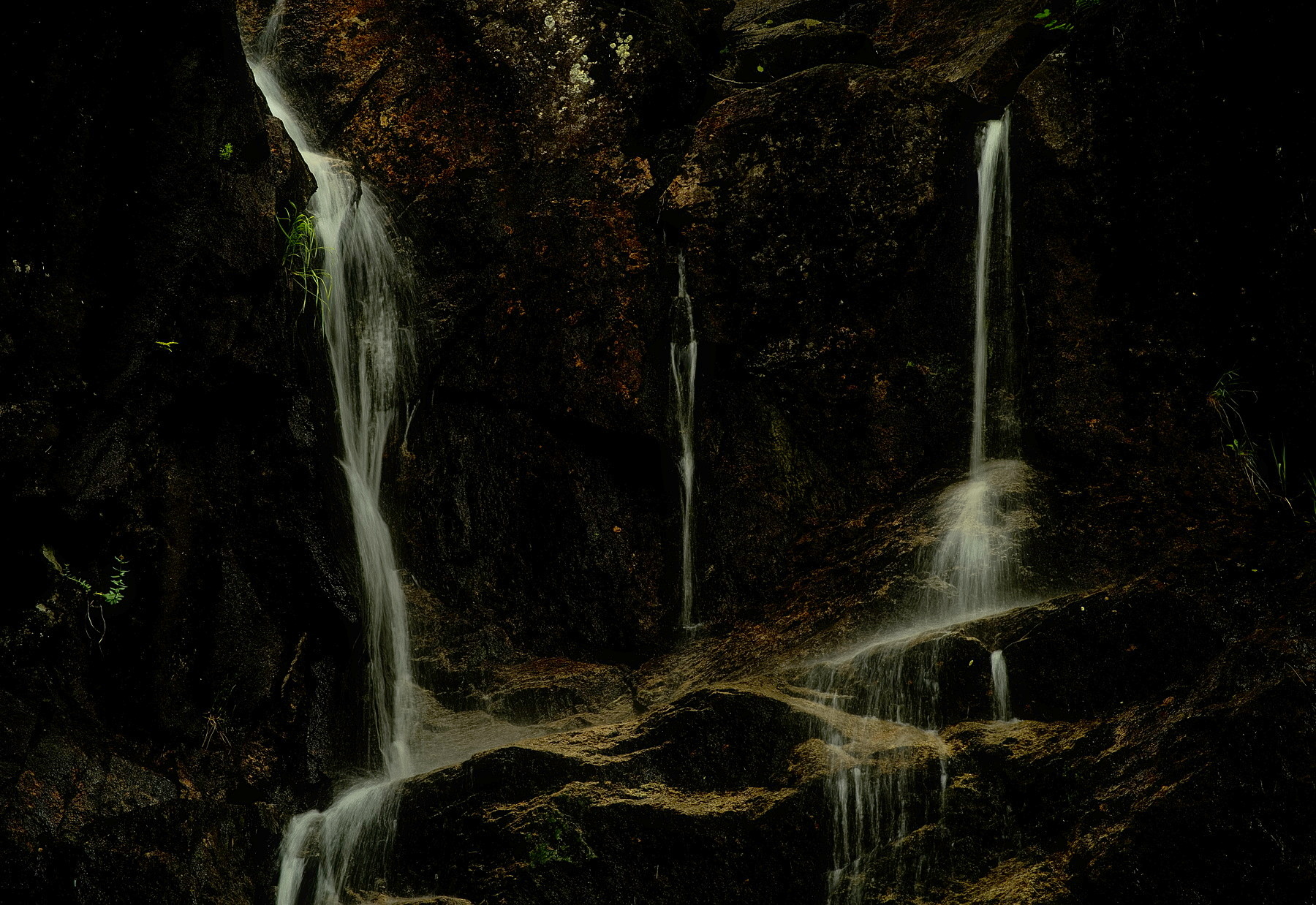
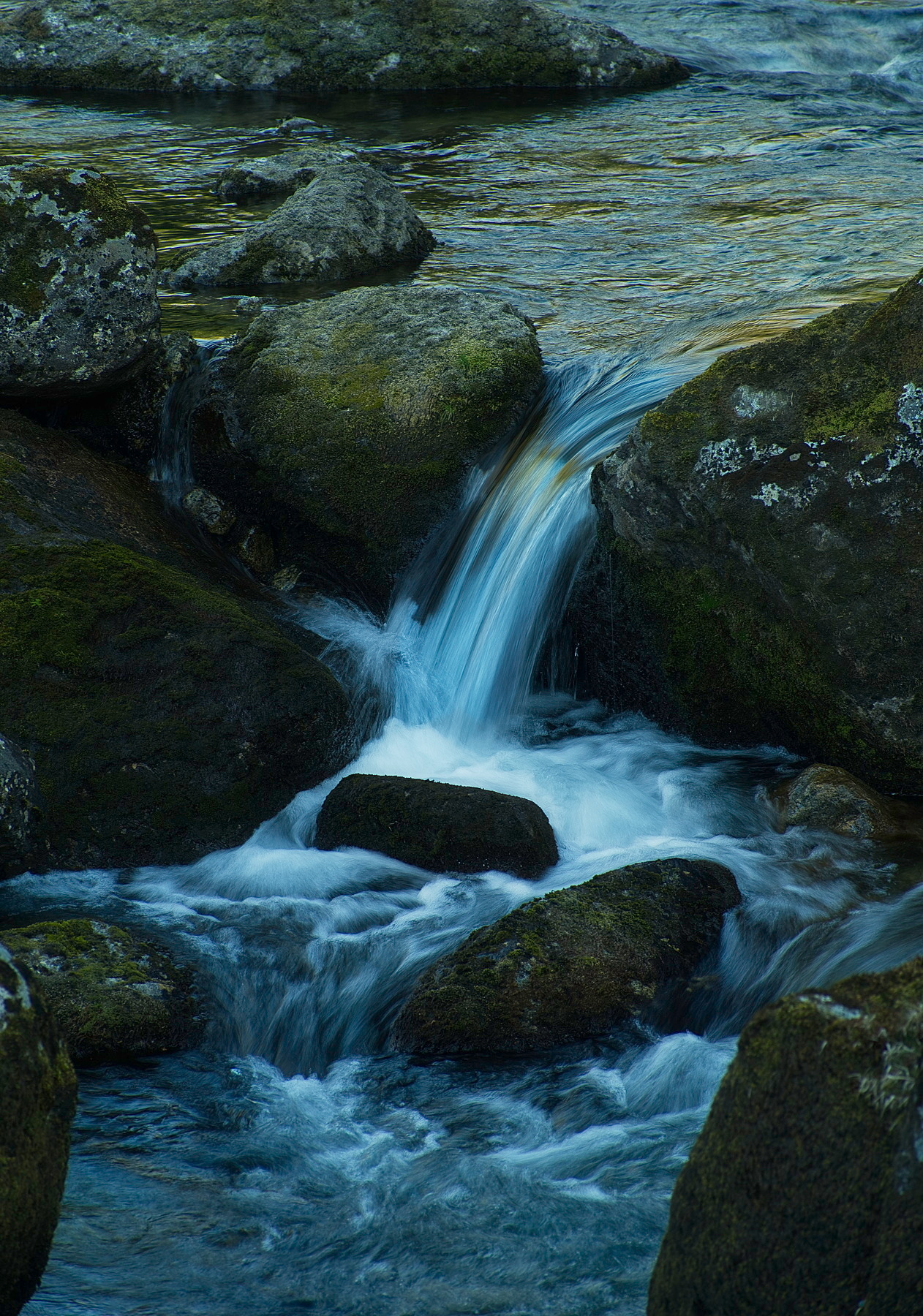
It has been a few months since I returned from my trip to Norway. I have finally been able to tackle the task of editing the photos from the trip to create a gallery.
It has not been an easy task. My initial excitement about visiting a region so renowned for its fantastic landscapes turned, as soon as I set foot on the Scandinavian peninsula, into an ambiguous feeling of rejection, or rather distancing, and it is this distancing that has caused me to delay editing the photos until now.
I went to Norway convinced that I was going to visit one of the last natural spaces on our planet where respect and preservation of nature were deeply rooted in the culture of the indigenous population. I soon realised how naive I was.
On the one hand, I was able to confirm what the writer Roy Jacobsen says in the prologue to his novel Child Wonder: Norwegian society has been transformed – due to oil – into a society of nouveau riche. On many occasions, I witnessed the euphoric exhibitionism of the nouveau riche, as in so many of our societies, who consume nature as just another product.
On the other hand, I saw the transformation of areas of cultural, geological or geographical interest into attractions for mass tourism, just as happens in our own countries.
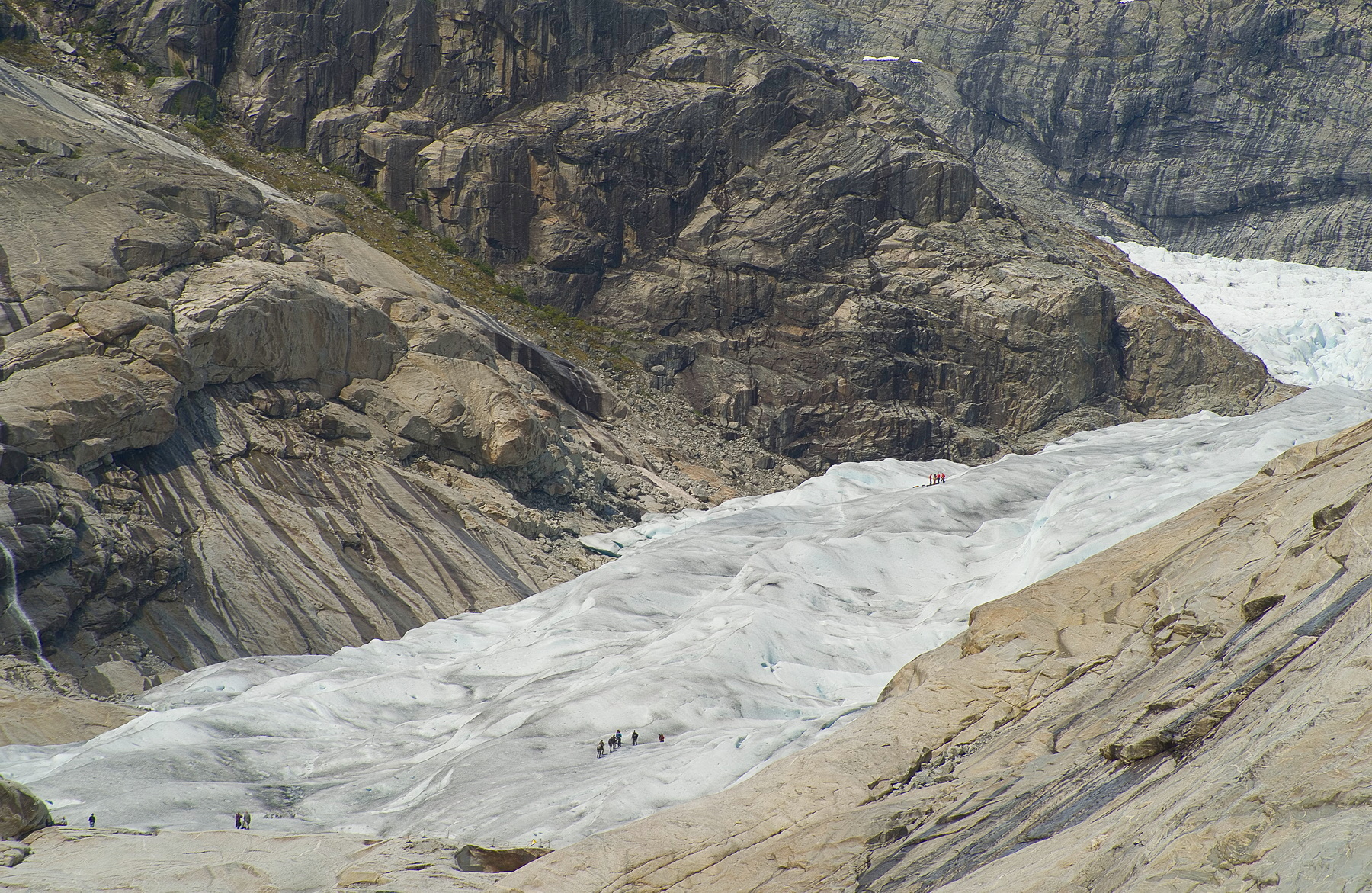
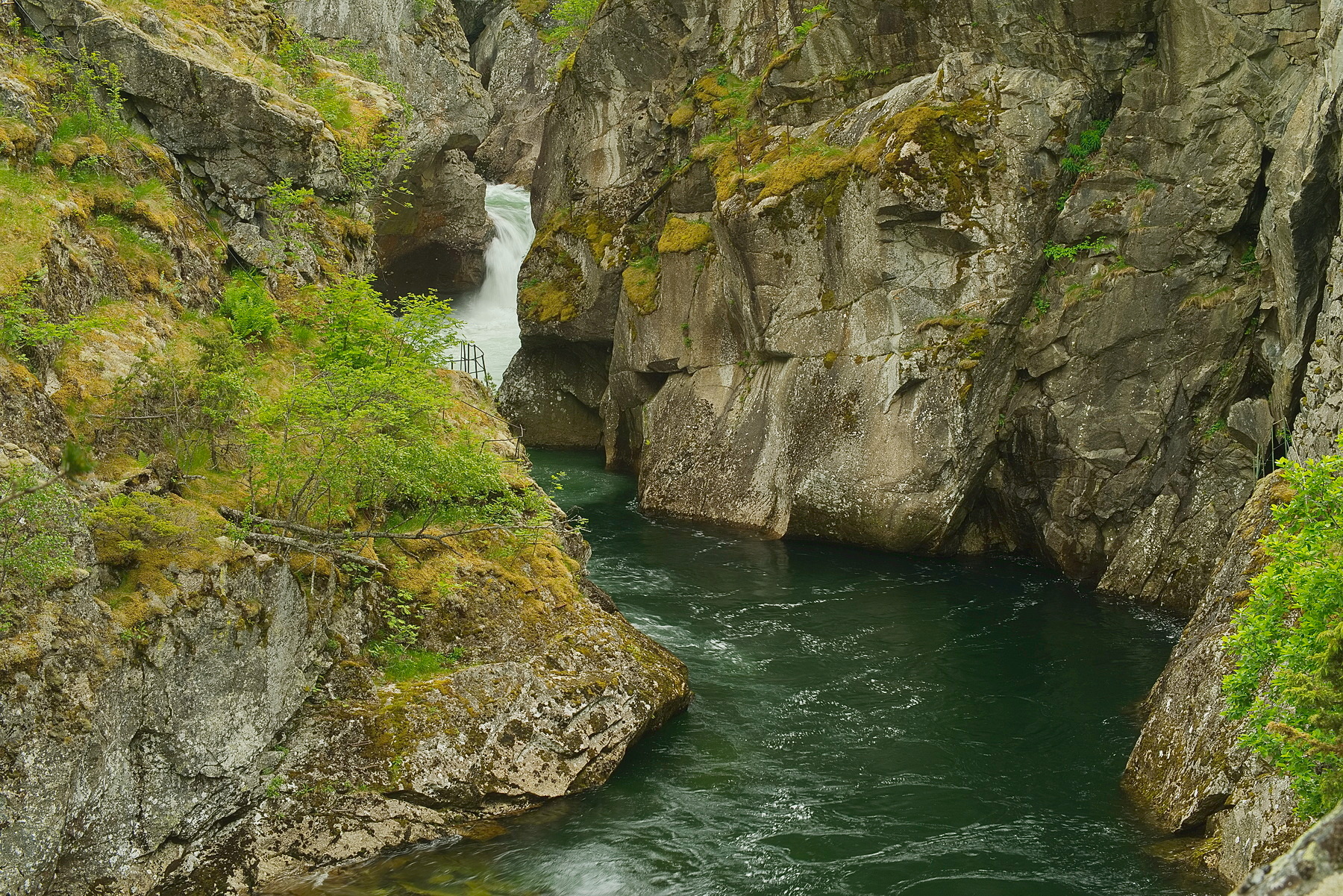
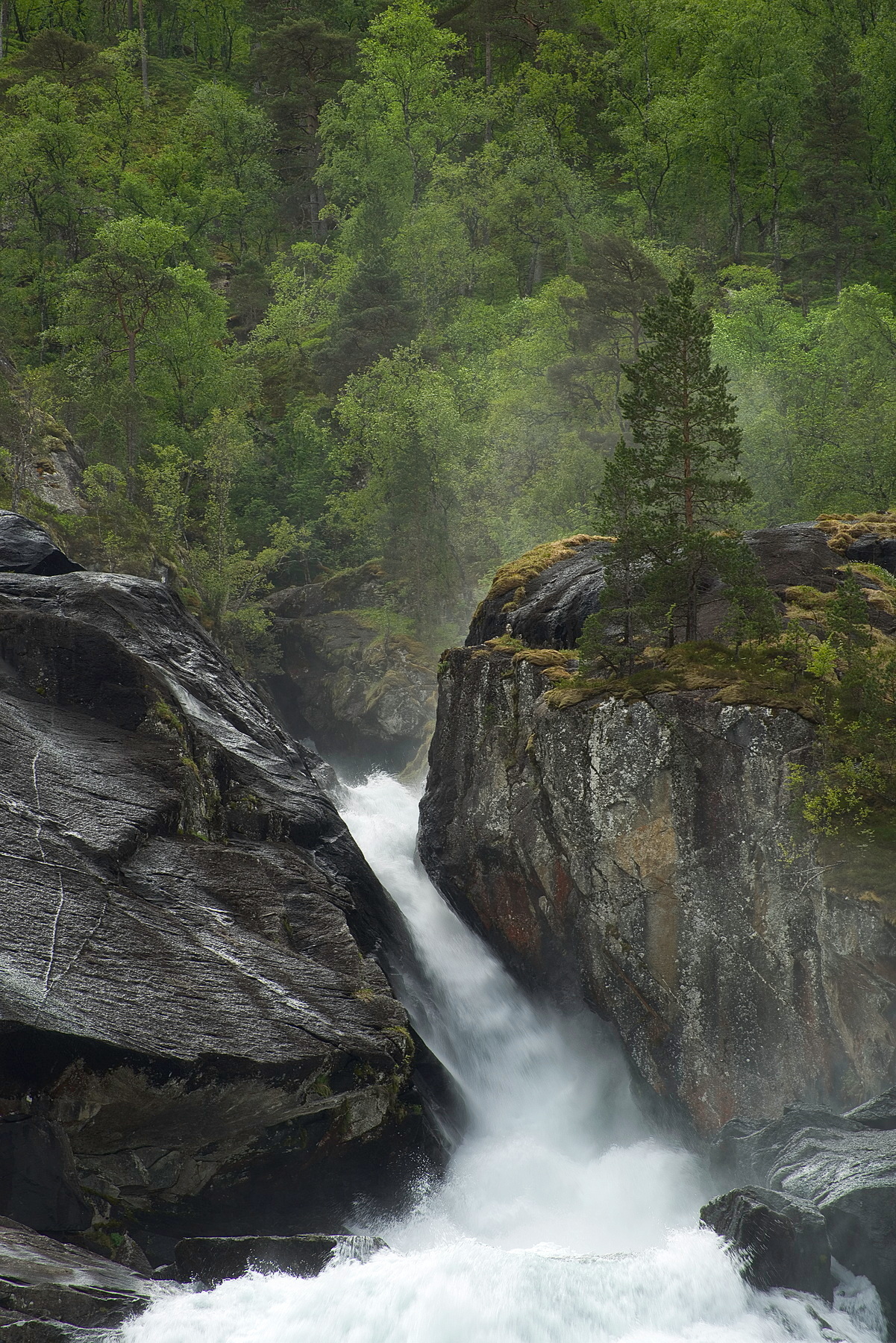
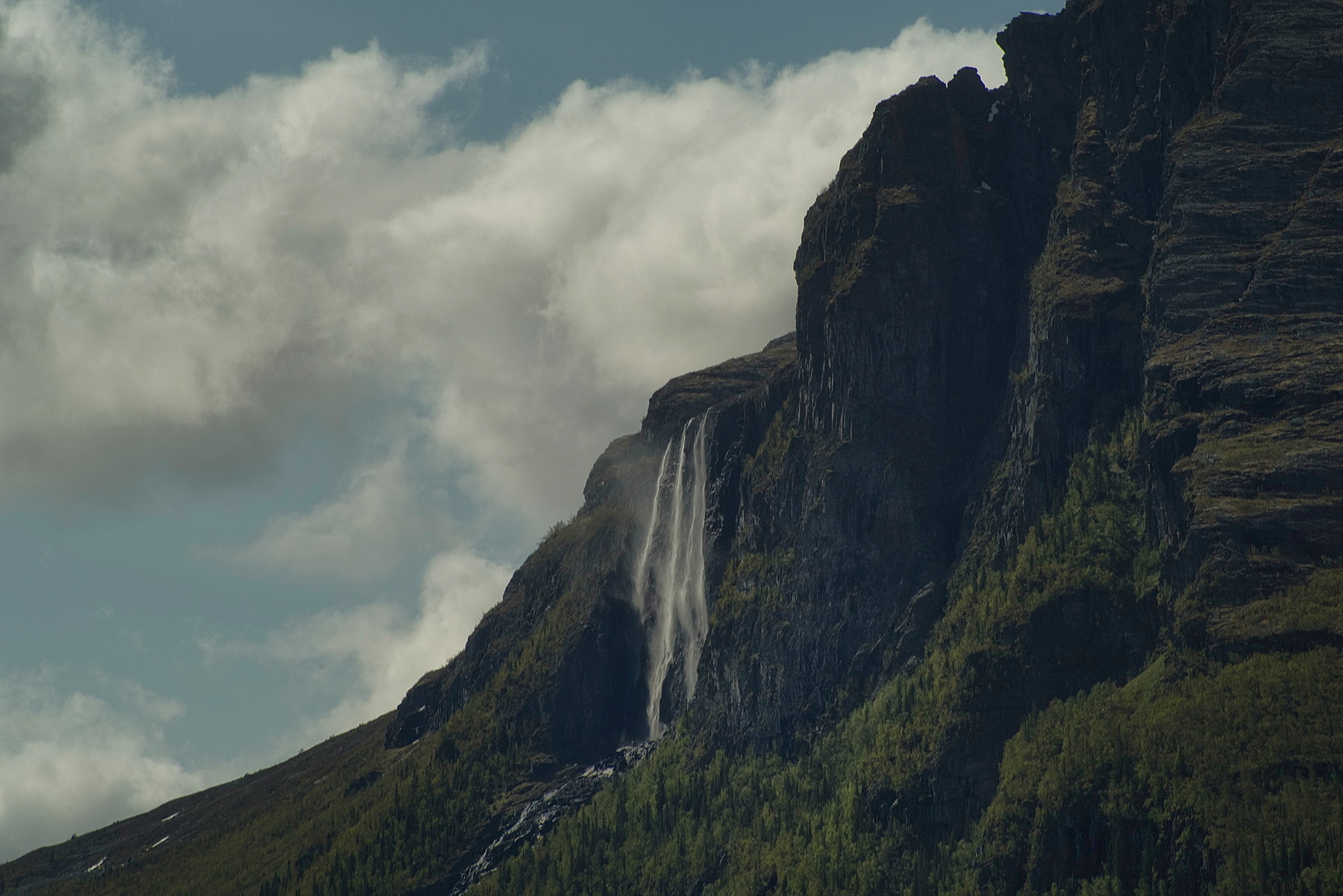
Standing before the great waterfalls cascading down from the high plateaus of Folgefonna and Jostedalsbreen National Parks, home to some of Europe’s largest glaciers, I couldn’t stop thinking that these enormous masses of water rushing down the mountainside were glaciers melting due to climate change. And we, the tourists, couldn’t stop photographing the waterfalls with childlike enthusiasm, adding one more photo to show our friends or share on social media, to affirm with irresponsible enthusiasm: I’ve been there too.
All these conflicting feelings prevented me from getting close to the landscape, from establishing an emotional connection with it.
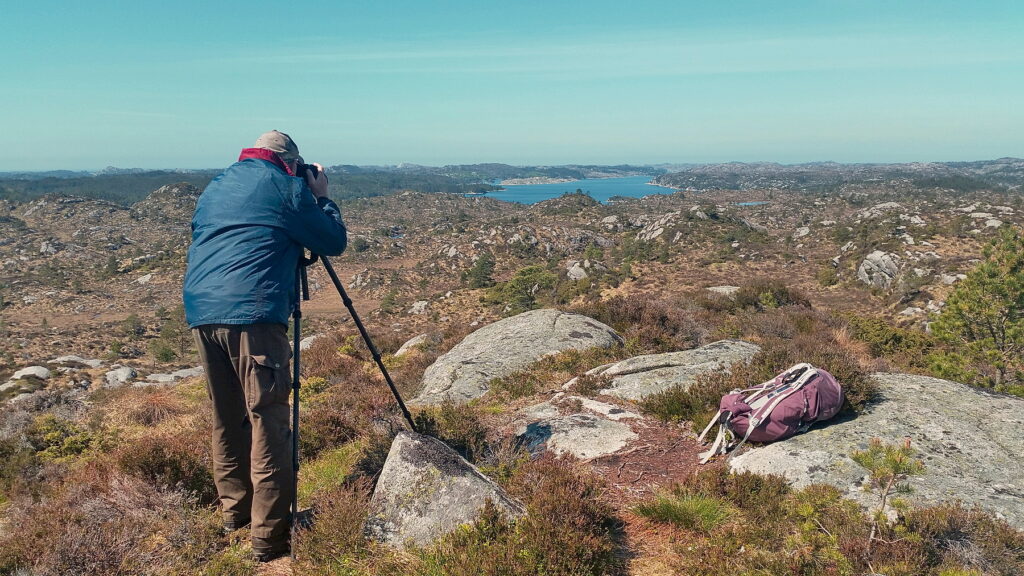
This allowed me to see for myself what renowned photographers say: the emotional connection with the subject is of utmost importance. Without emotion, photography is impossible. And that lack of connection is reflected in my photos.
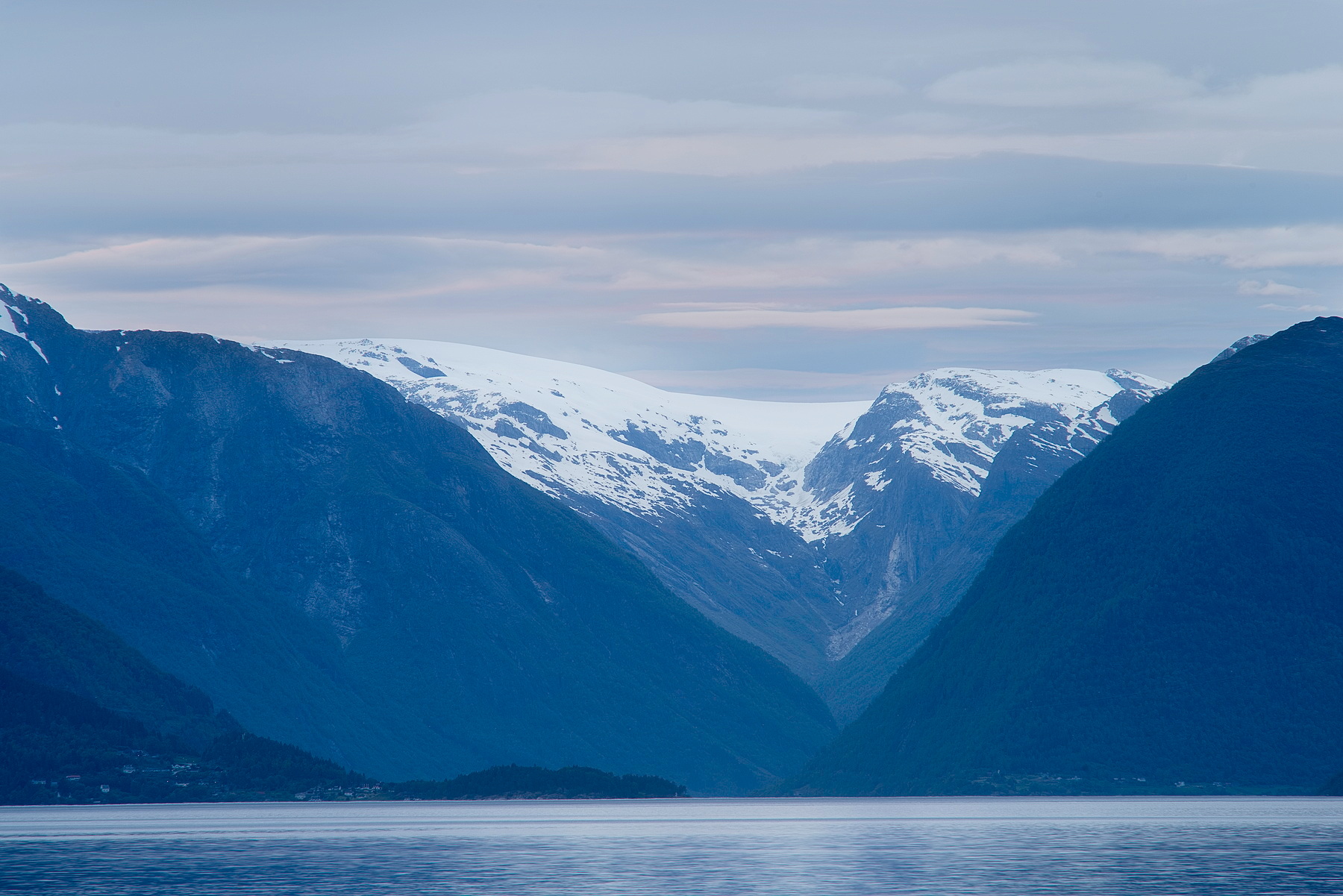
For all these reasons, I returned from the trip with few photographs. But with deep impressions. Among them, that Norway is the fjord and the fjord is Norway. To slowly enter the fjord – whichever one it may be – is to discover a timeless world. And there, immersed in the crossroads of cloudy and obsessive skies, high mountains with steep slopes and fragmented arms of the sea, listening to an ancient ballad played on the Hardanger fiddle, one discovers the ancestral beauty and mystery of a world that, despite everything, refuses to disappear.