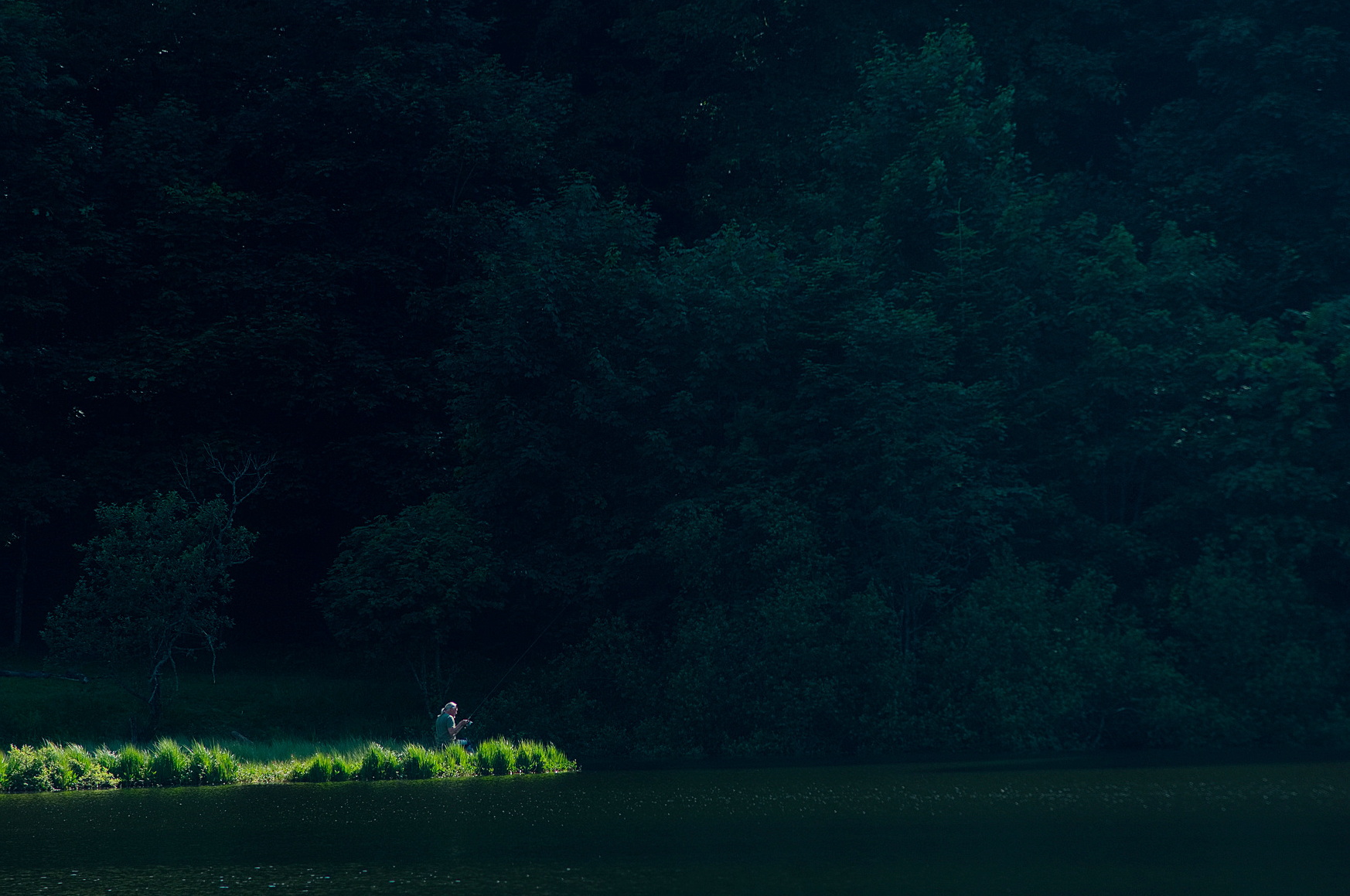
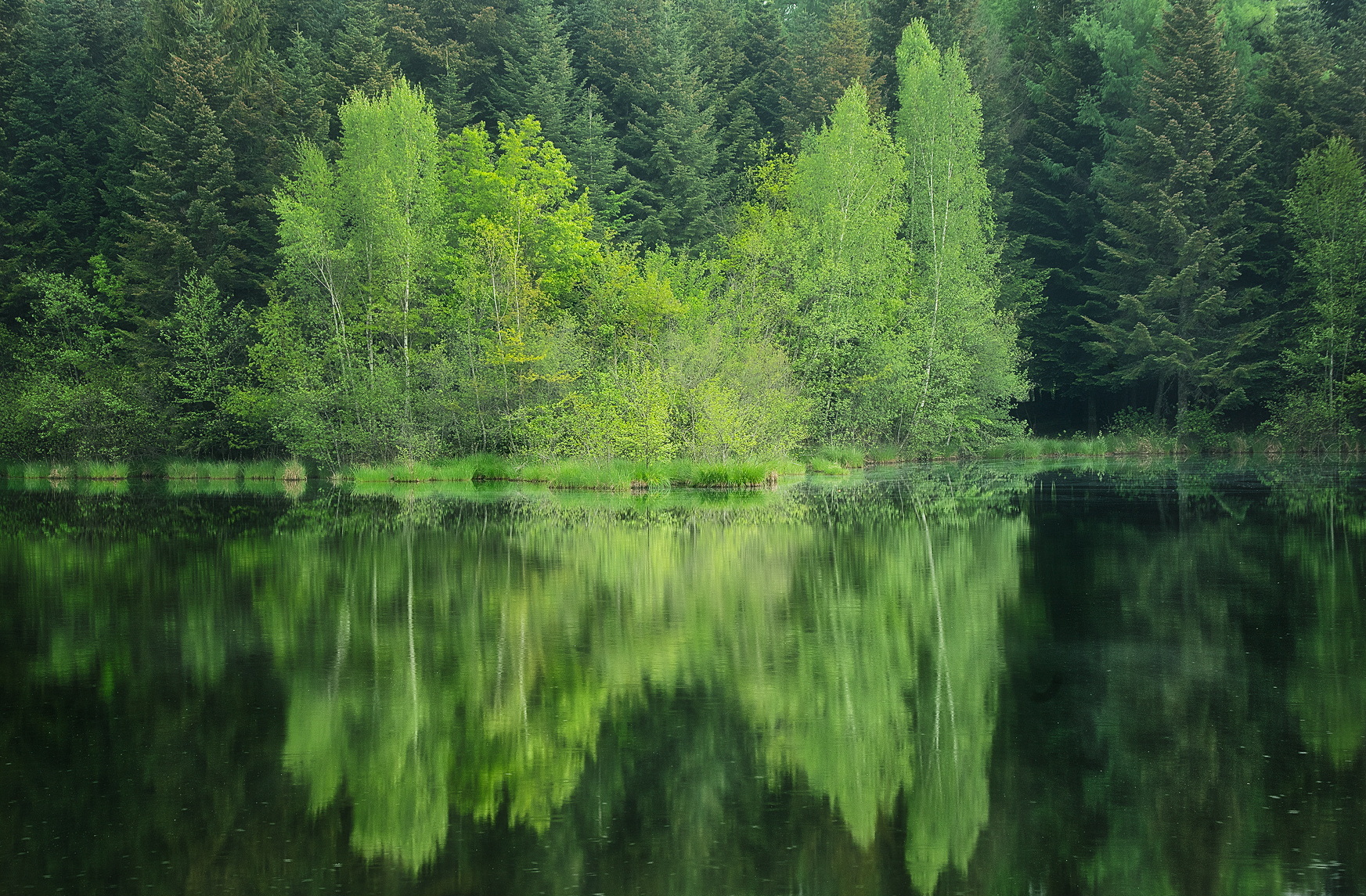
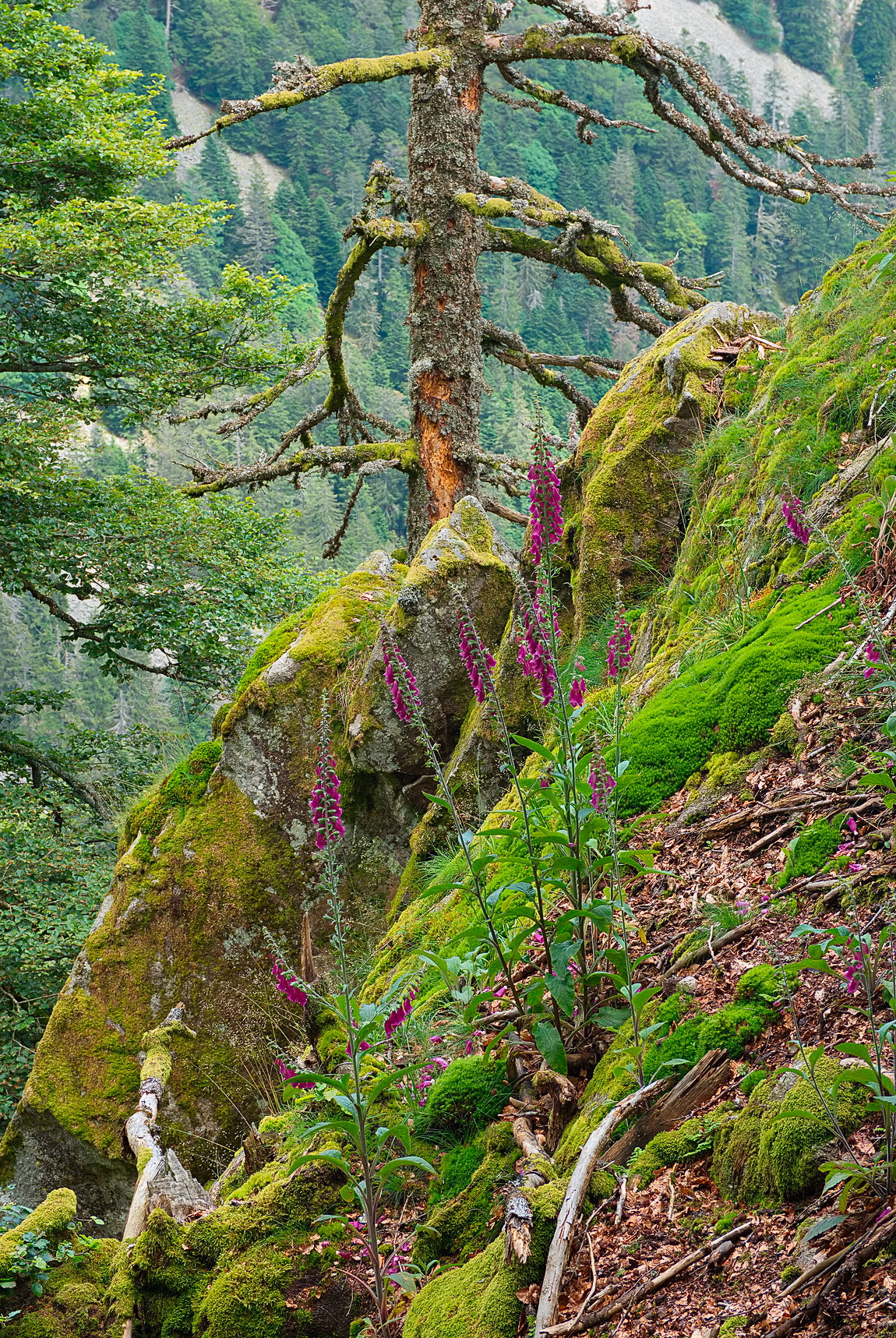
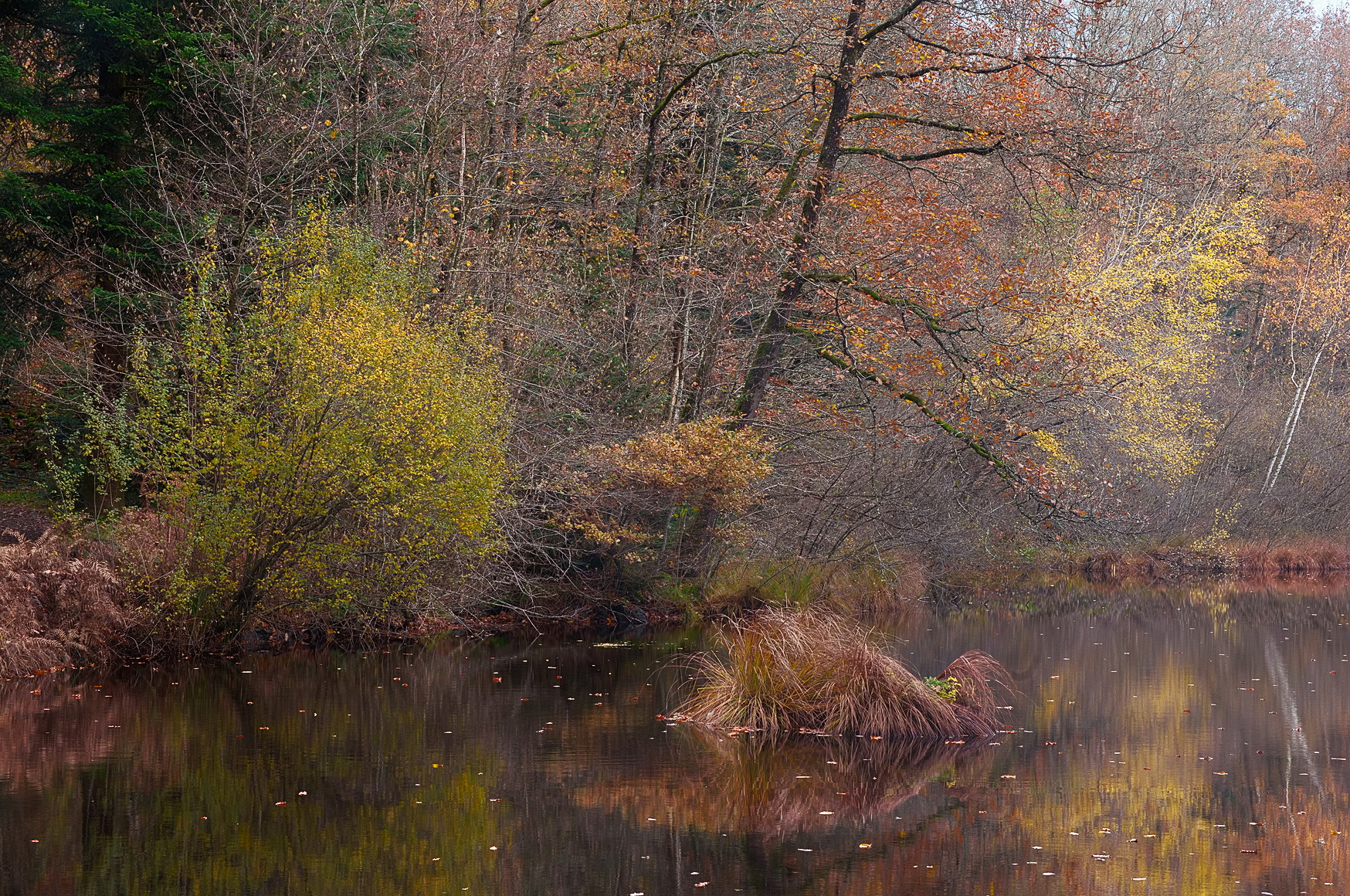
I started visiting the area about two years ago. I discovered it by chance. I was returning from a long journey and stopped in a small town at the foot of these mountains. I stayed for three days and walked through the forests and lakes surrounding the town.
After two successive short visits, I finally spent a month this year touring the southern part of the range, where the highest peaks are located.
It is one of the oldest mountain ranges in Western Europe. It is made up of very old rocks and its aged, rounded peaks rise to over 1,000 metres and are covered with snow in winter.
It is a long north-south mountain range of granite and sandstone, more than 100km long, surrounded by deep valleys and high plateaus. In its southern part there are traces of a landscape shaped by a glacier that covered these mountains thousands of years ago.
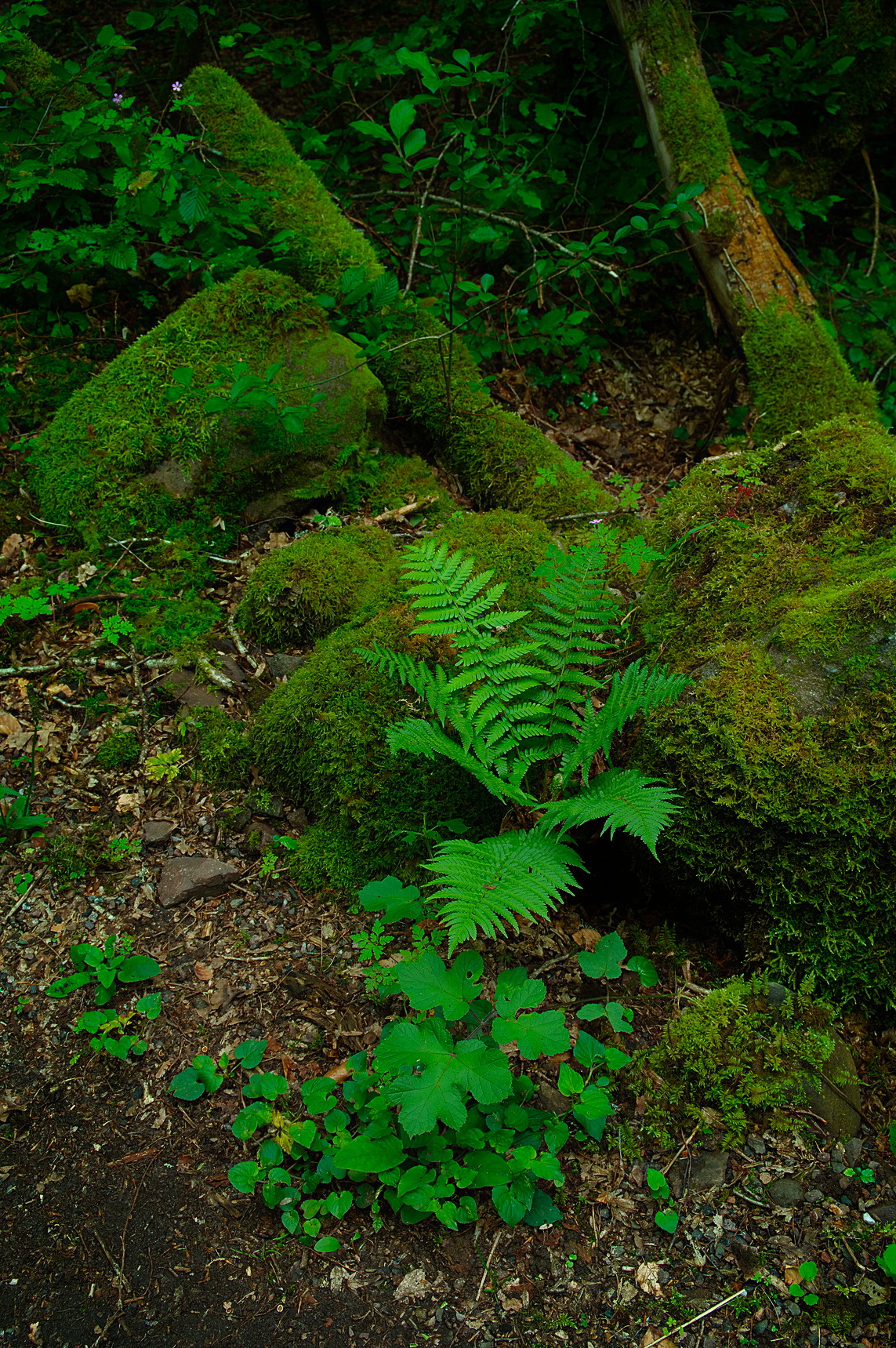
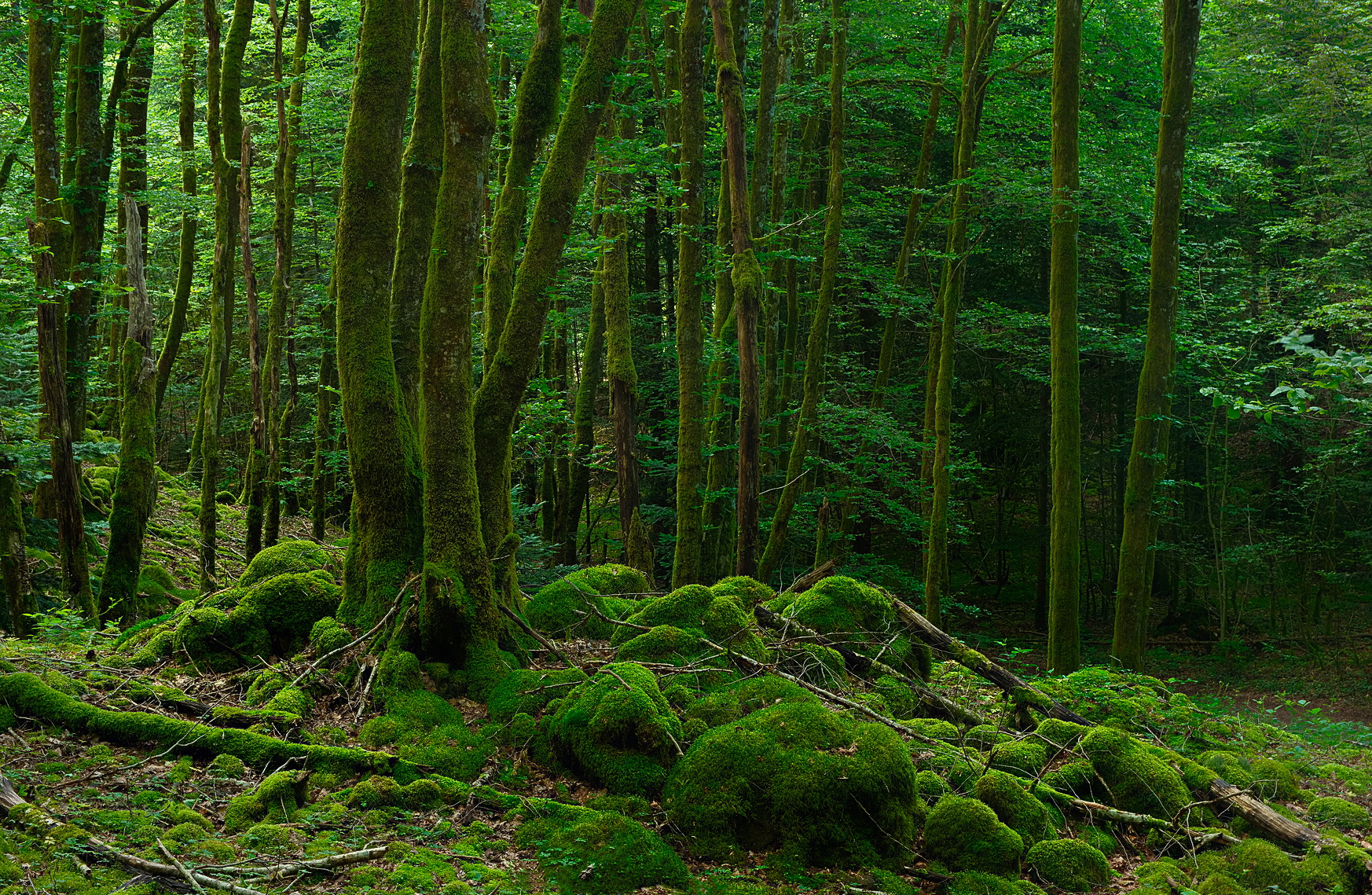
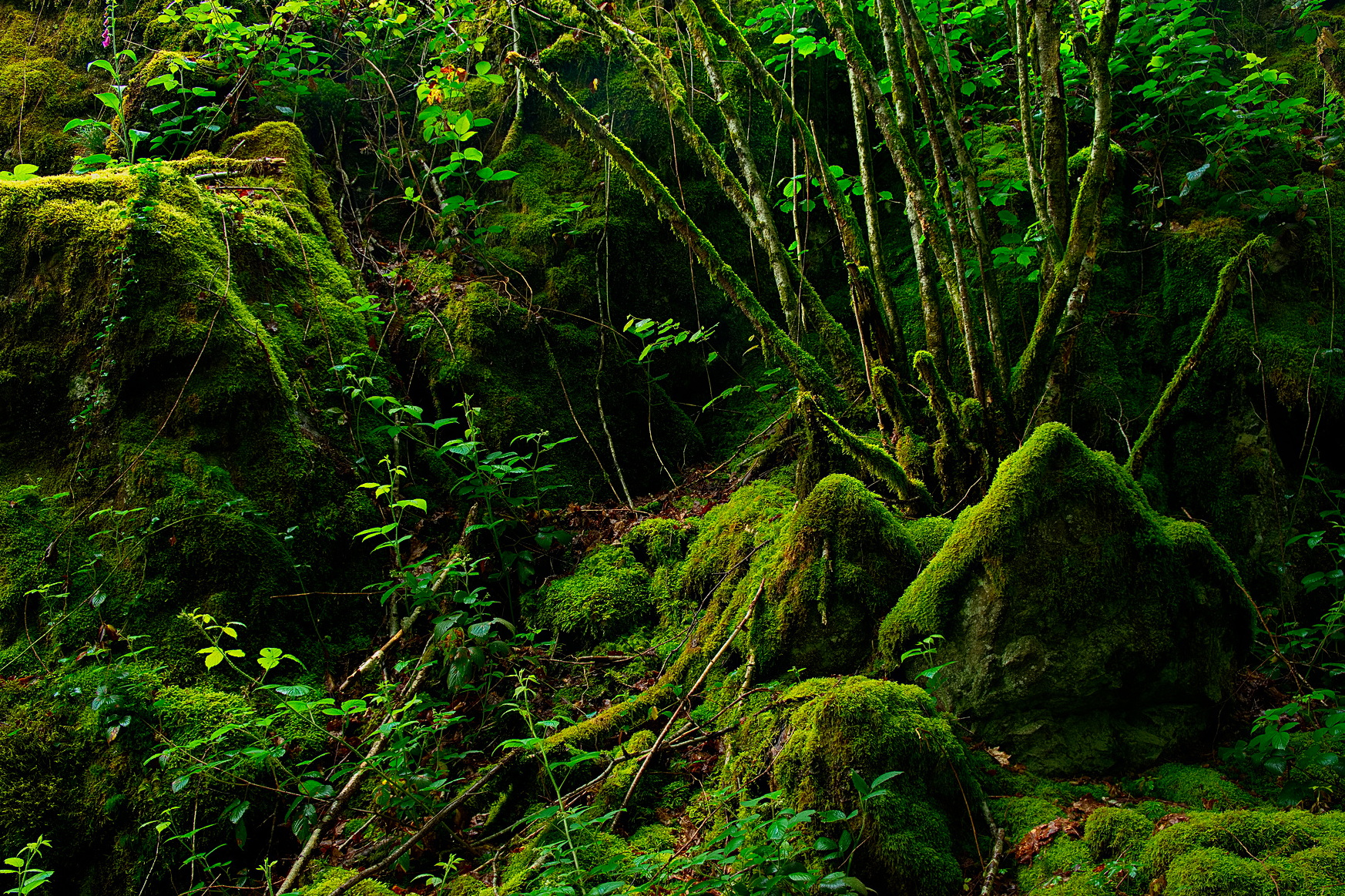
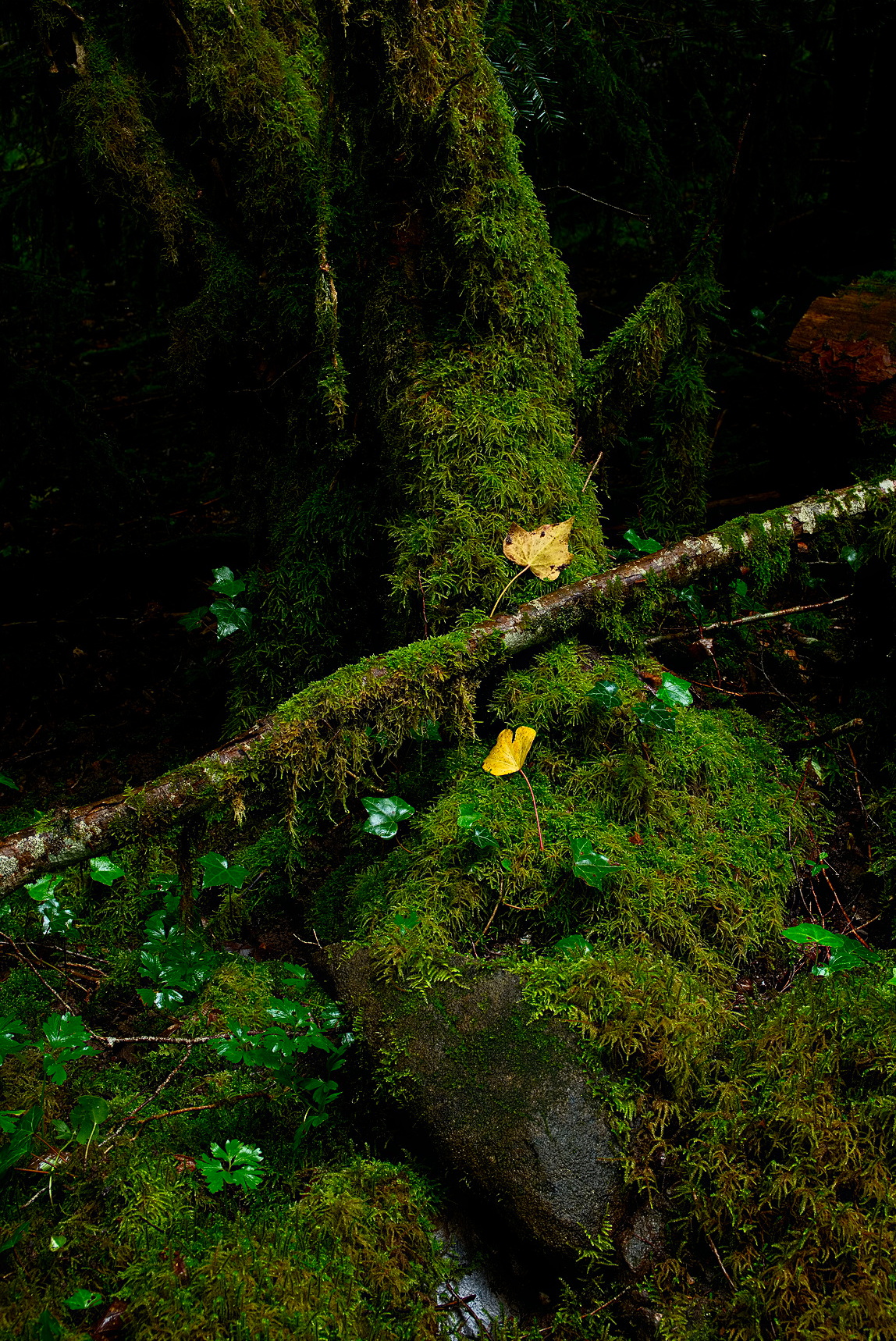
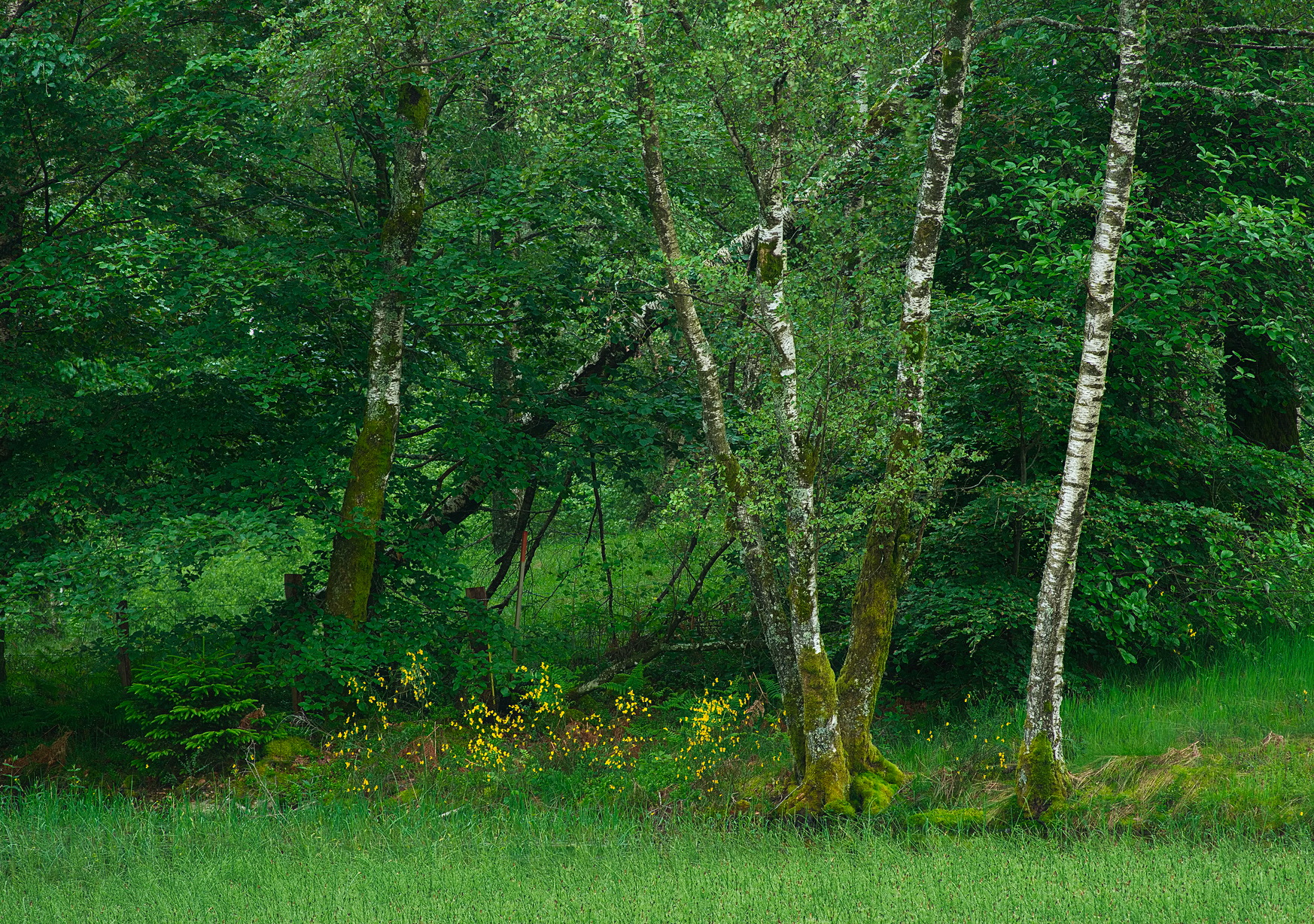
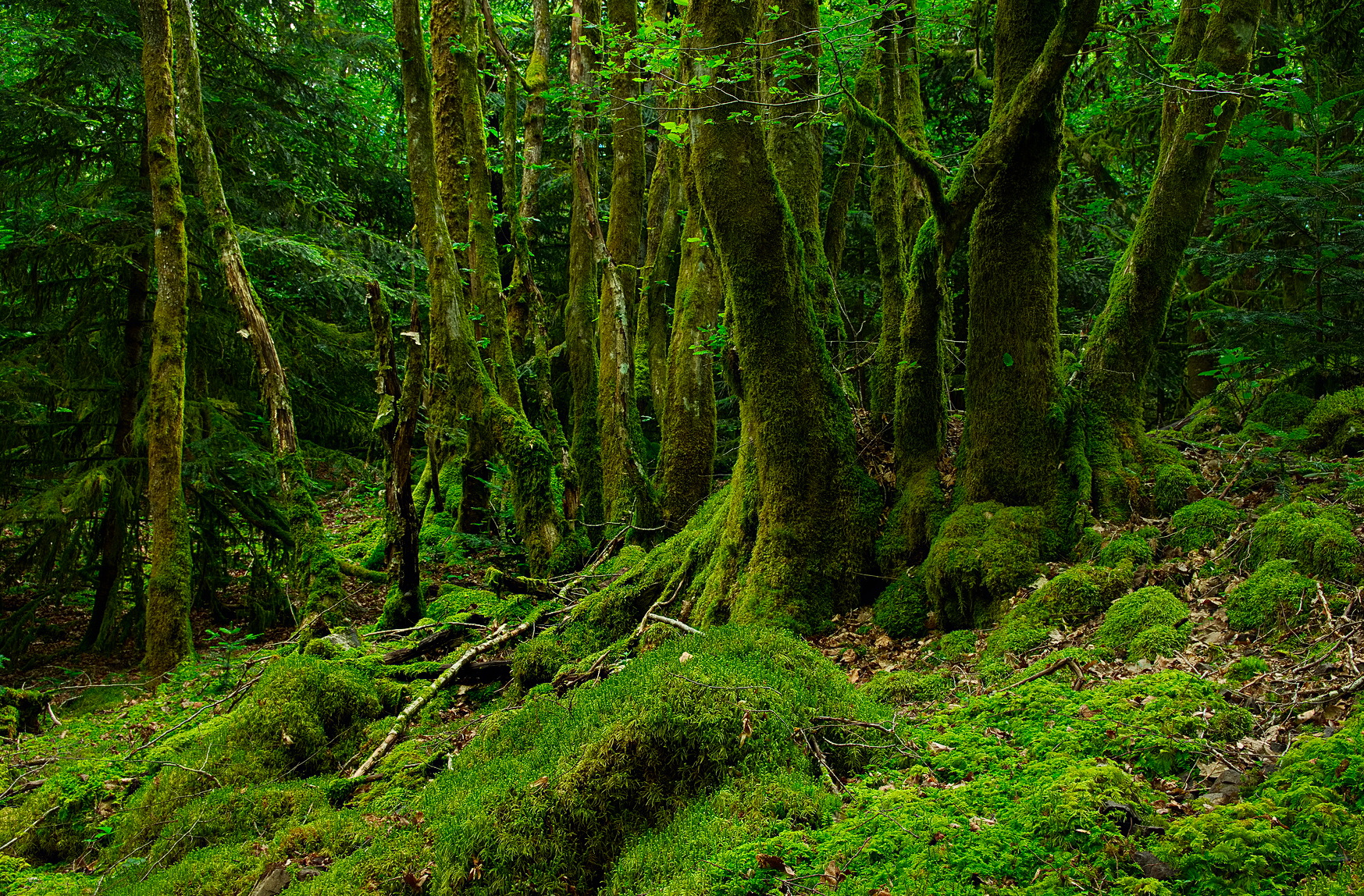
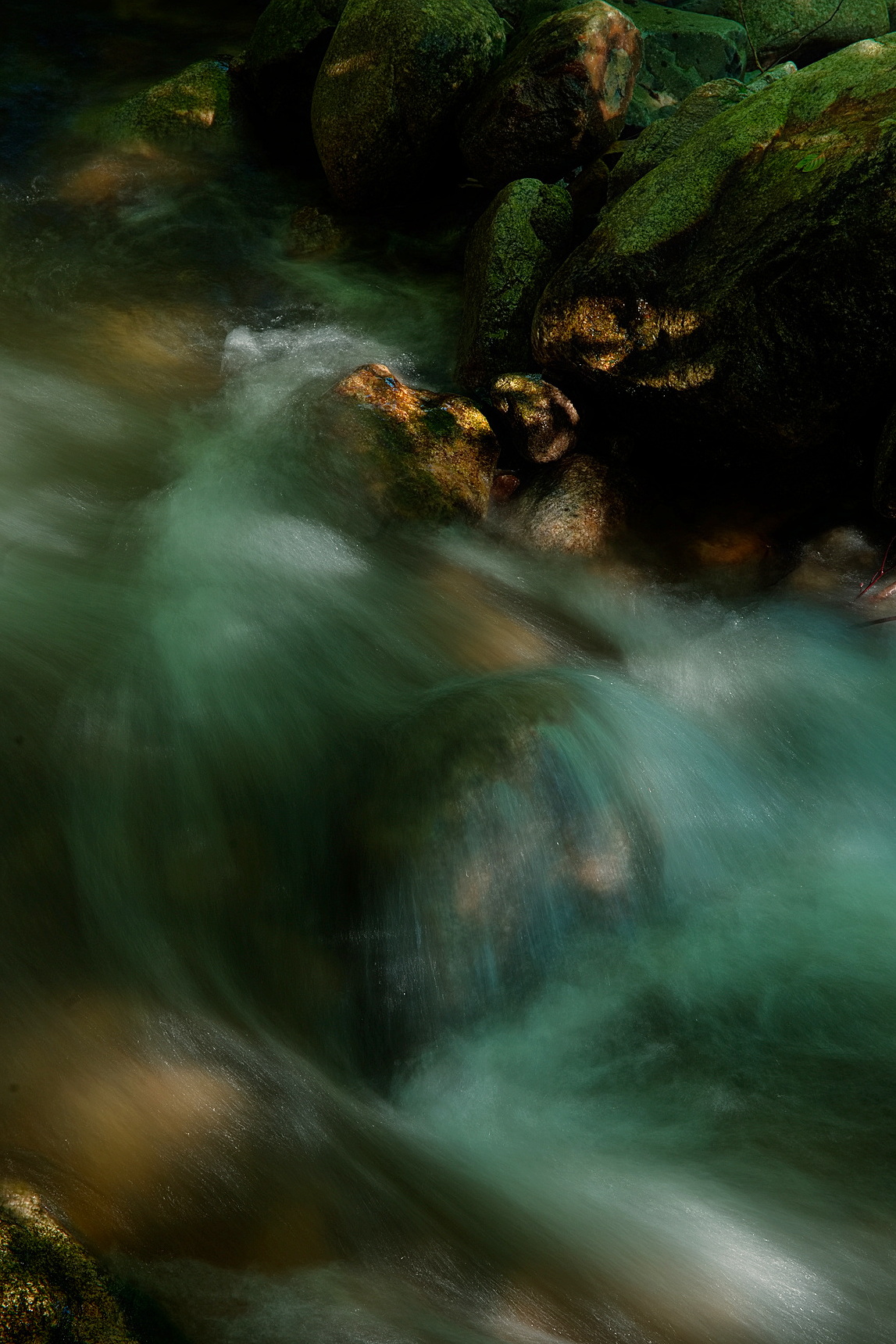
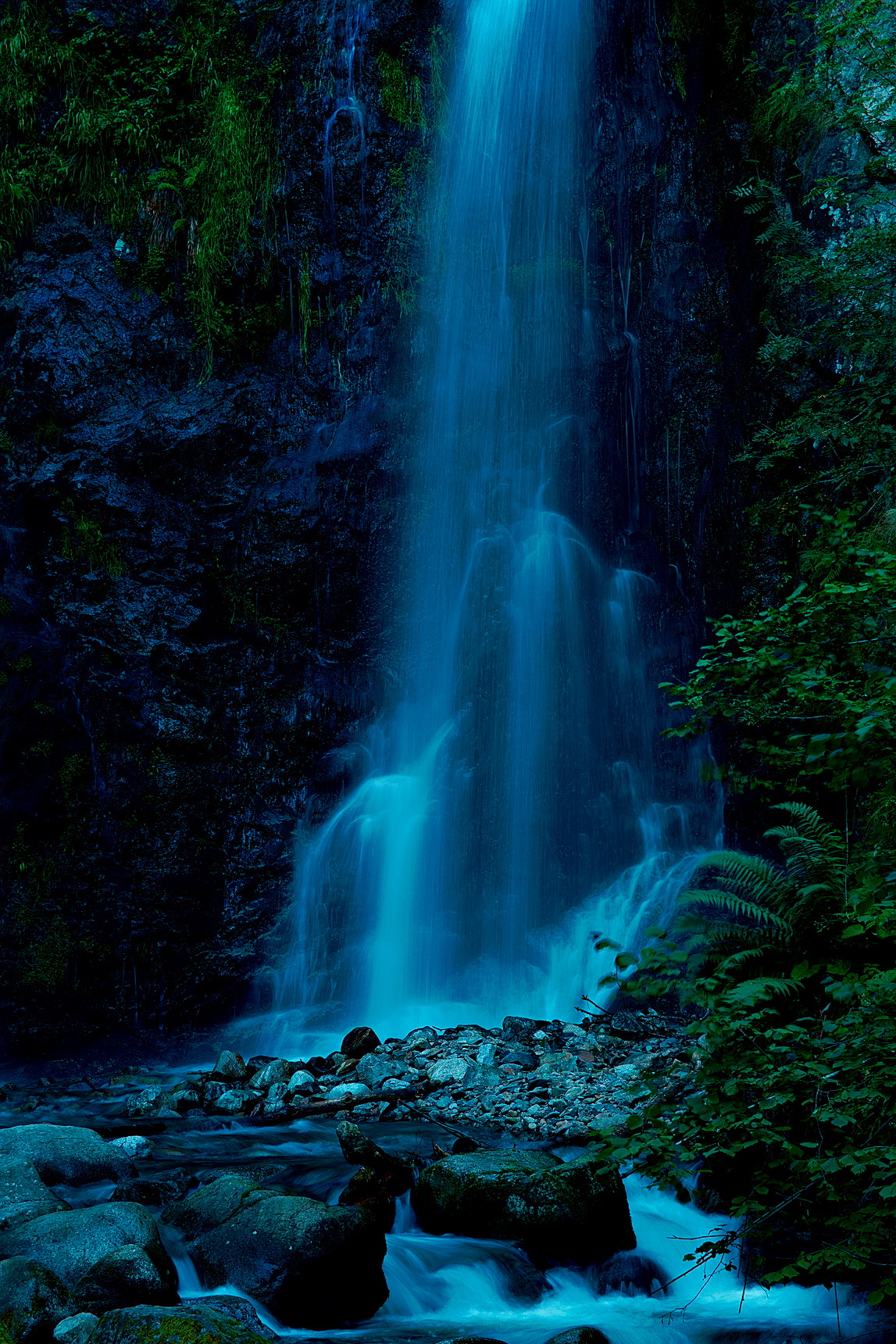
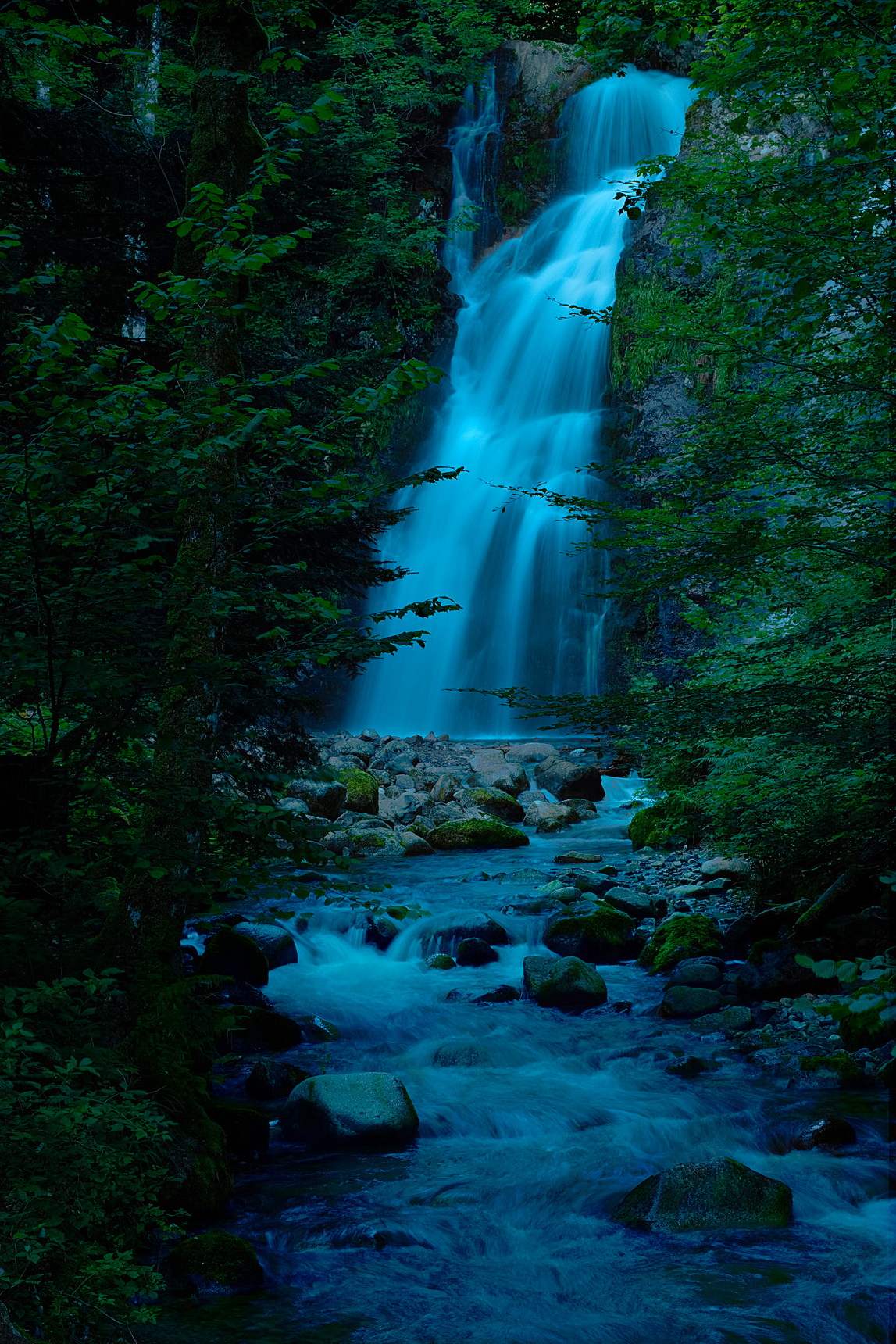
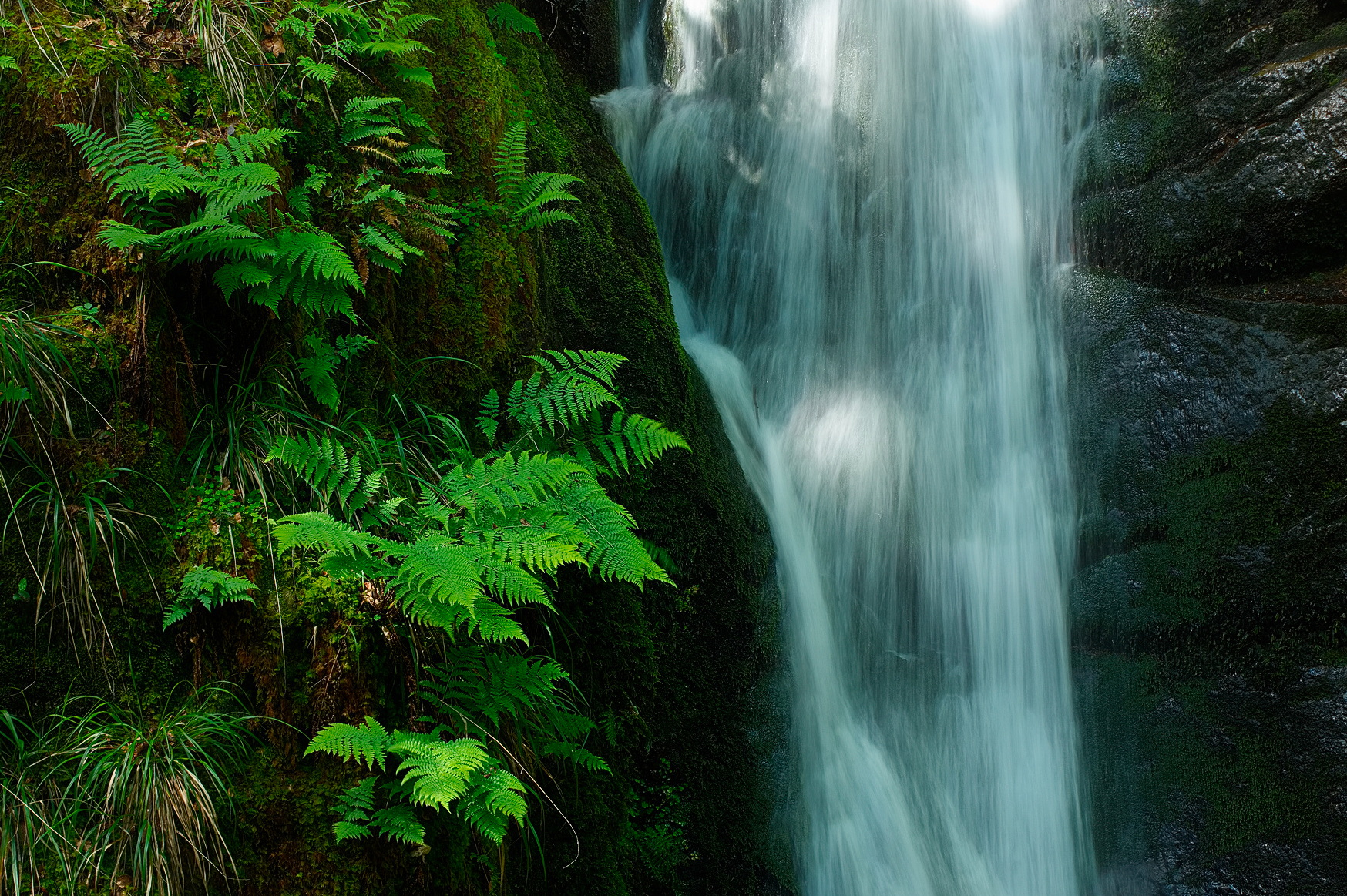
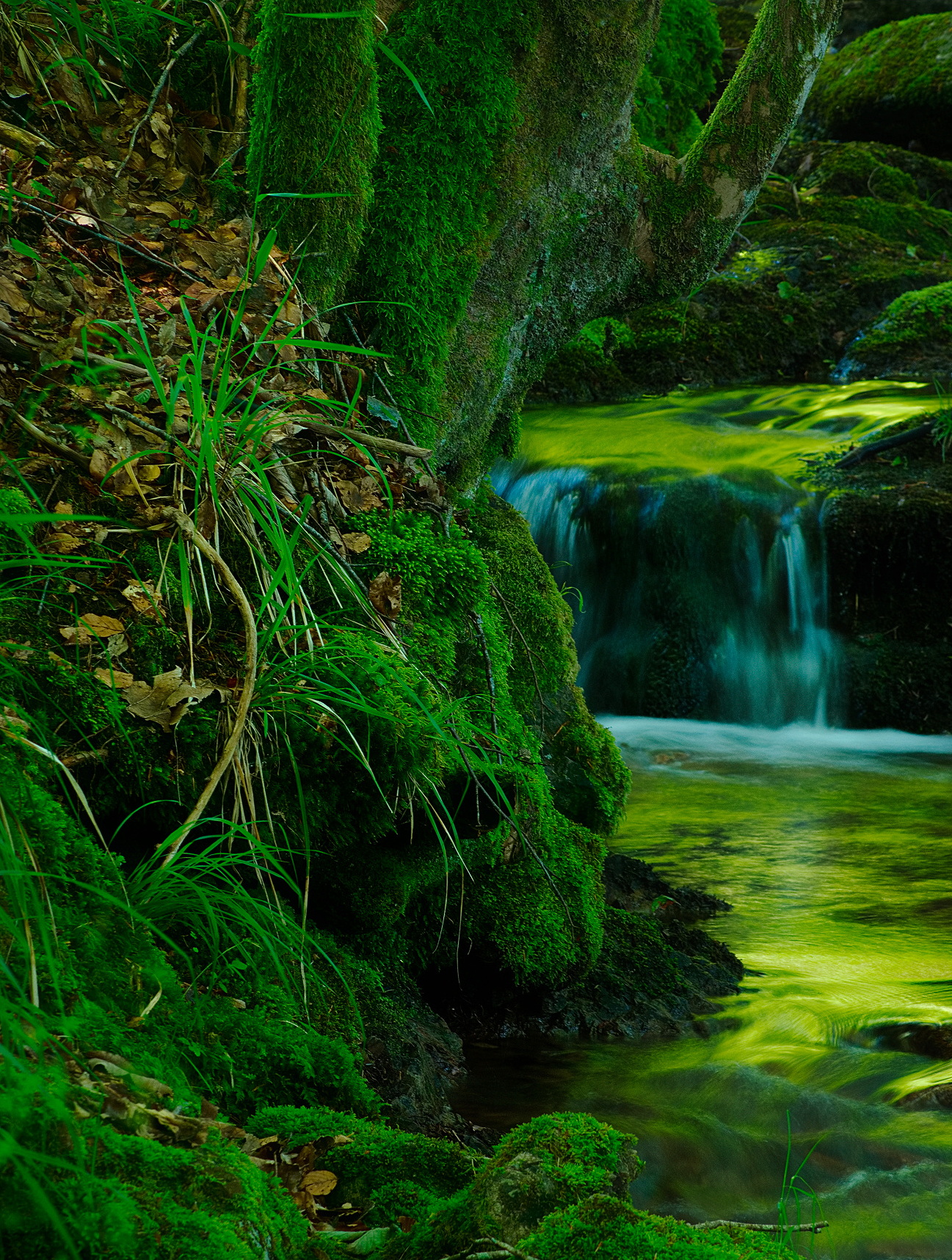
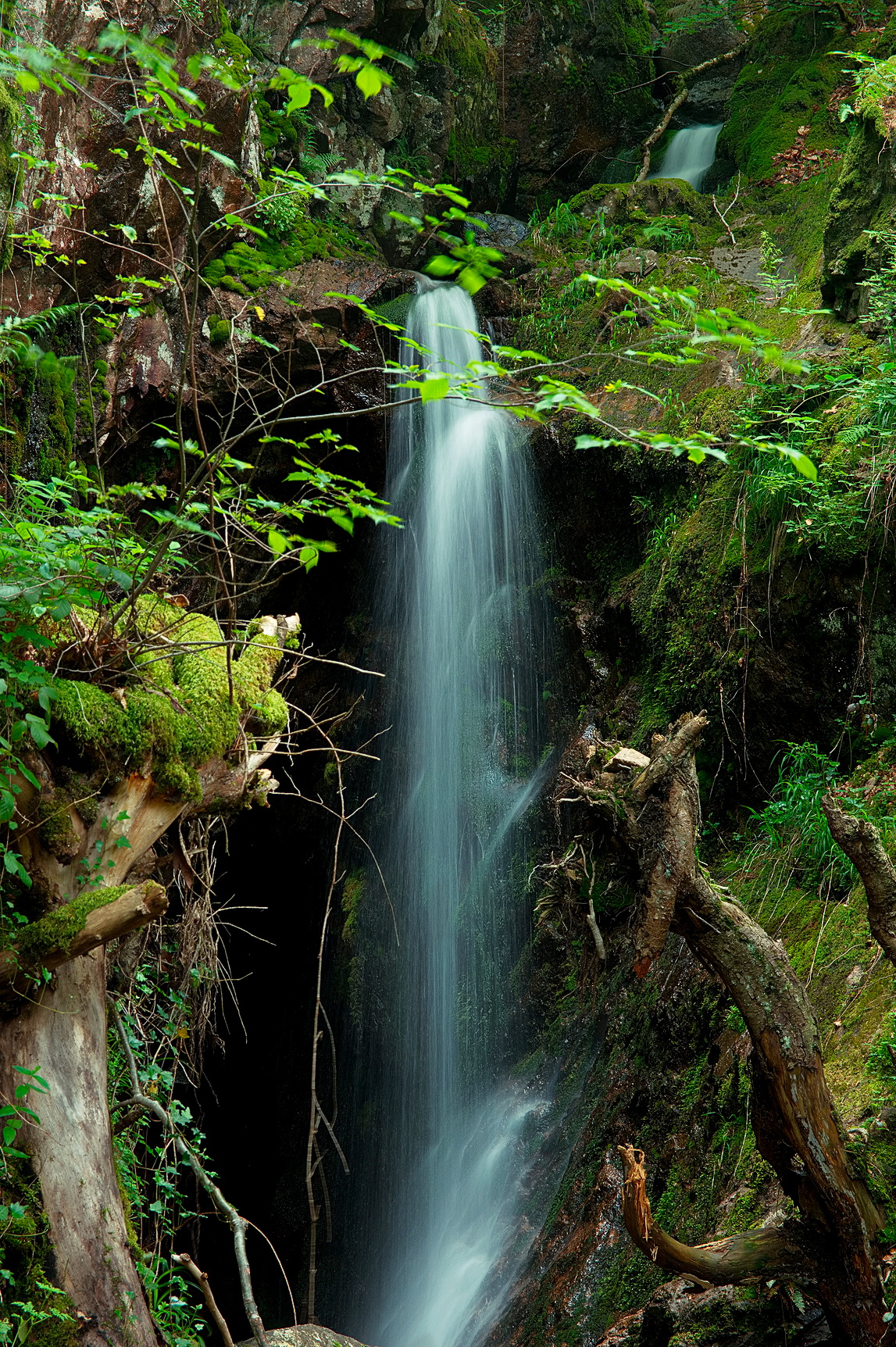
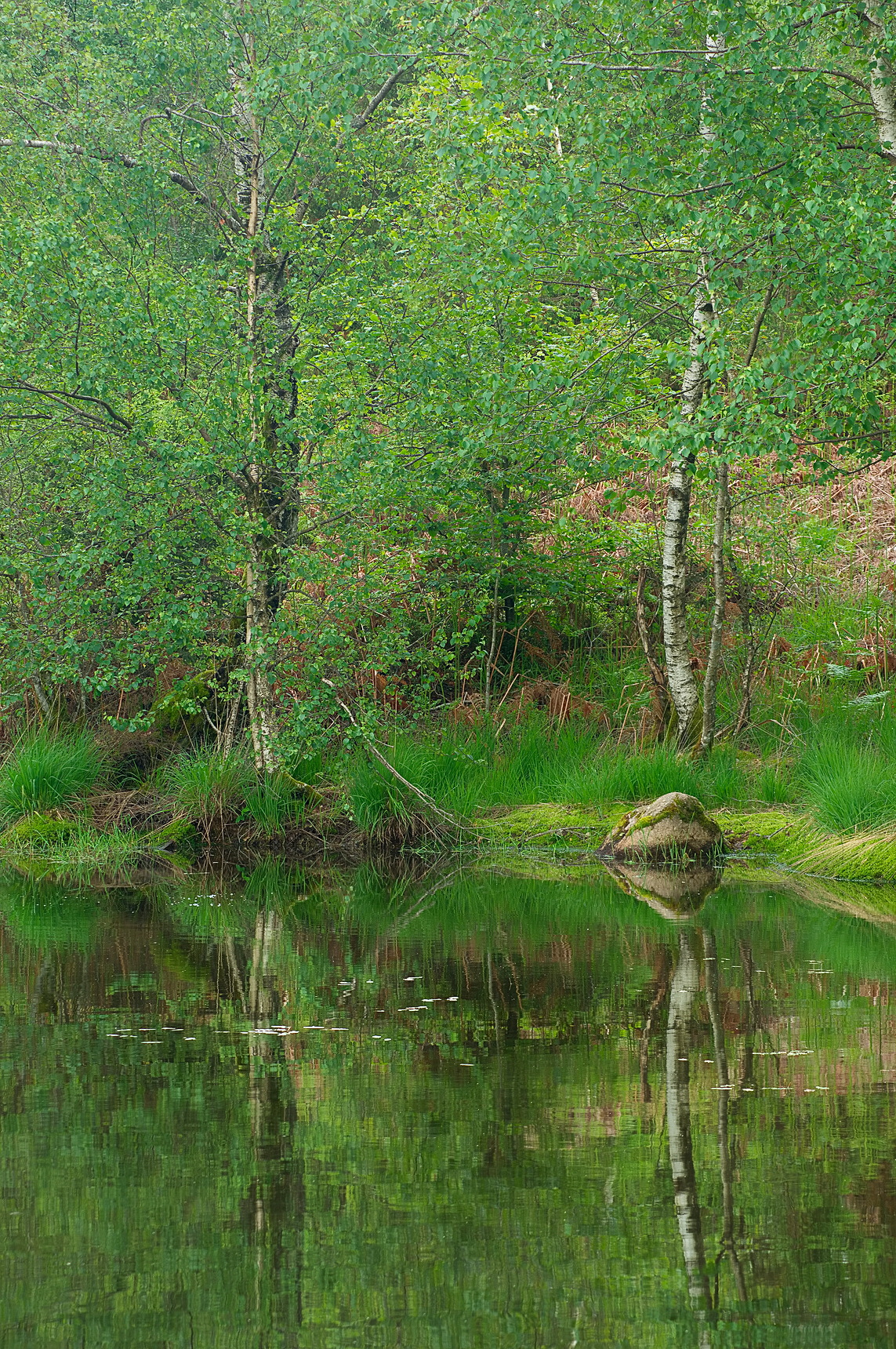
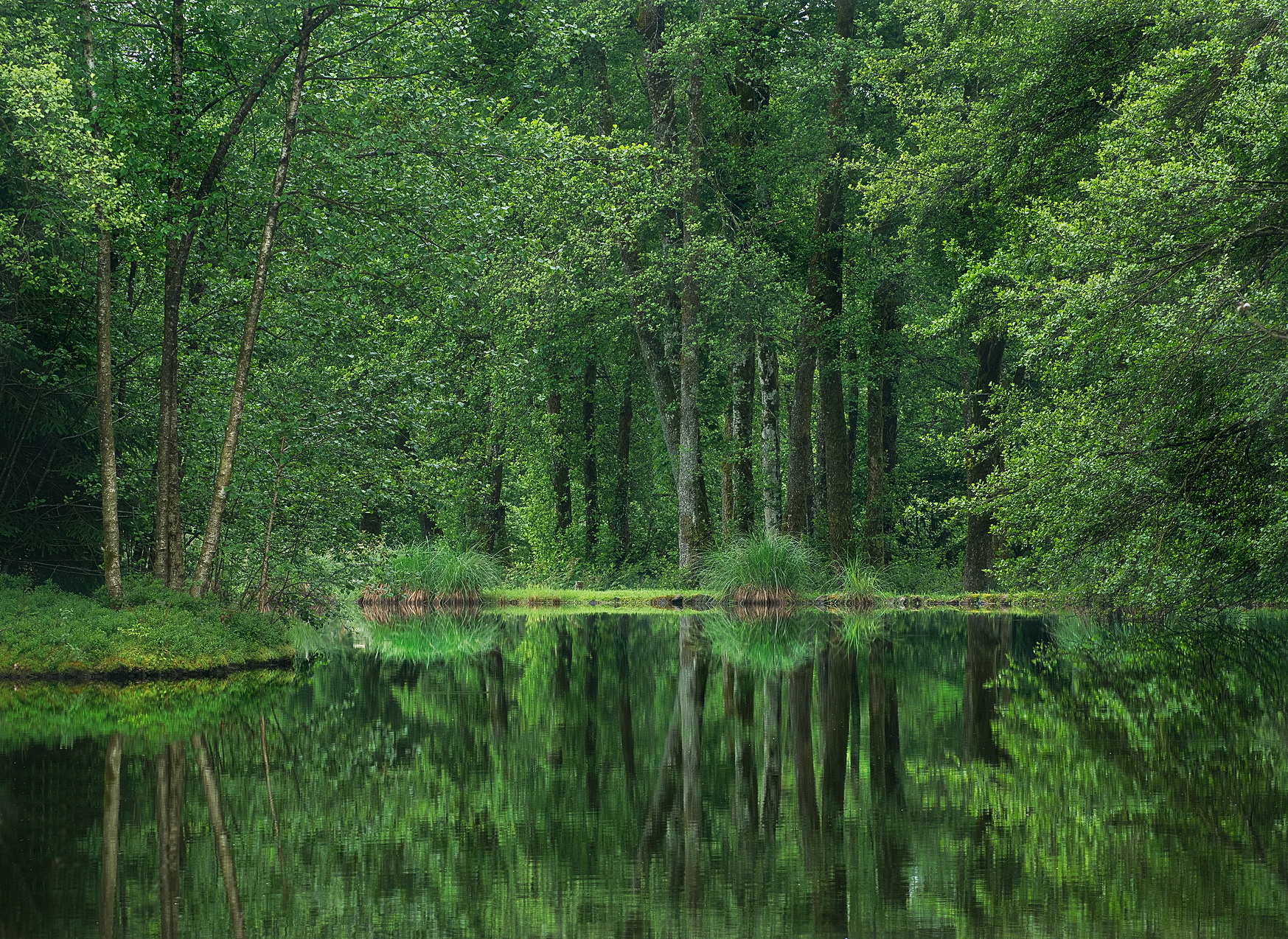
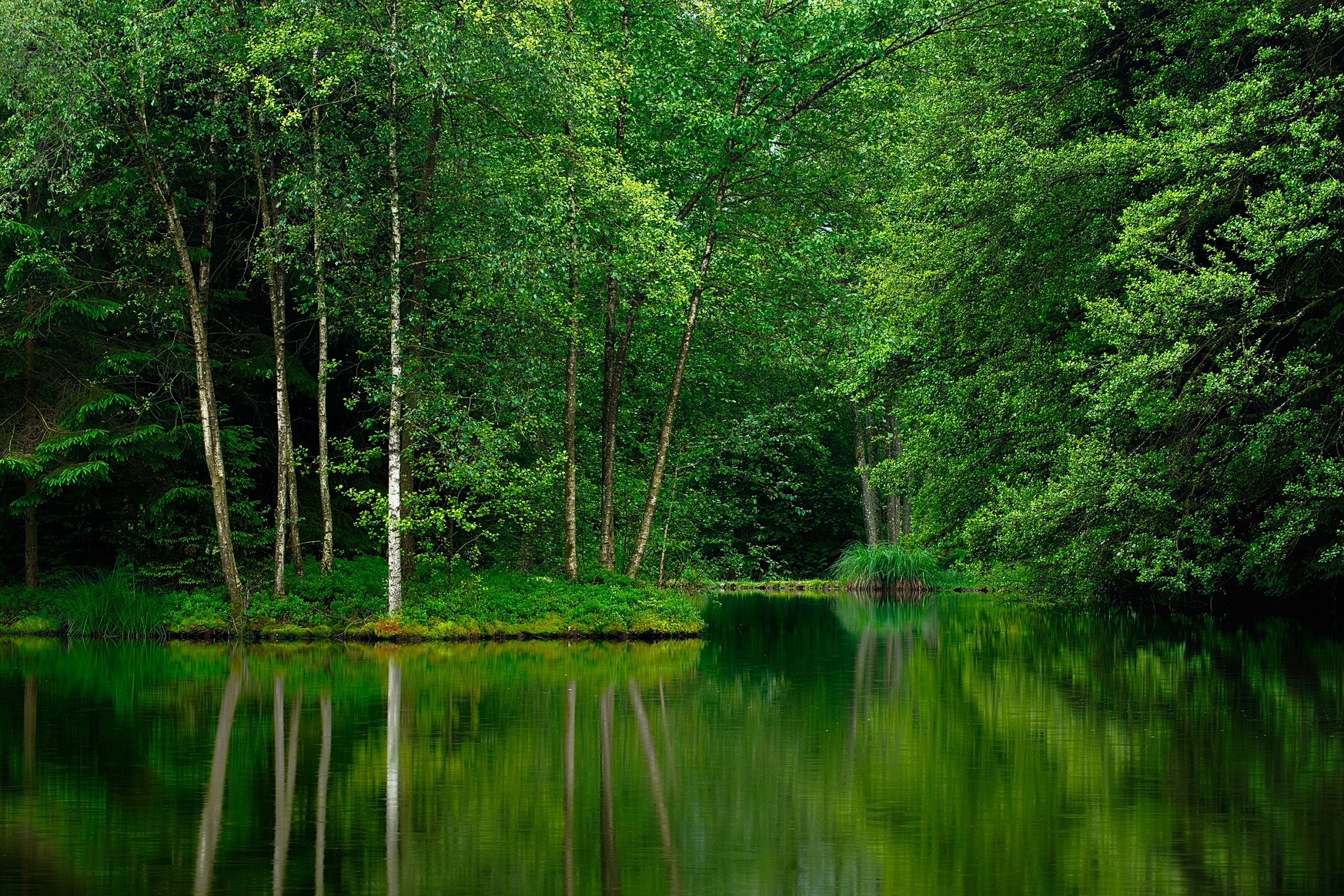
The abundant rainfall on the mountain has allowed the torrents, streams and rivers that flow down the slopes to carve deep beds into the rock, forming many beautiful waterfalls and rapids. I suppose it is this abundant rainfall that allows the existence of beautiful and fantastic forests populated by beeches, oaks, maples, birches, alders, pines, spruces…
I can almost say that my excursions – on which I met hardly any people – were slow, very slow. At every waterfall, at every stream, I would set up the tripod, move it forward, backward, to the right, to the left, trying to find the best composition. And at every tree, I would look in my guidebook to see which tree it was. Once I knew which tree it was, I would introduce myself to it. Rites of reconciliation, rites of peace between species.
Yes, I had finally reached the top of the old mountain. It is enough to know that it is beautiful and mysterious.