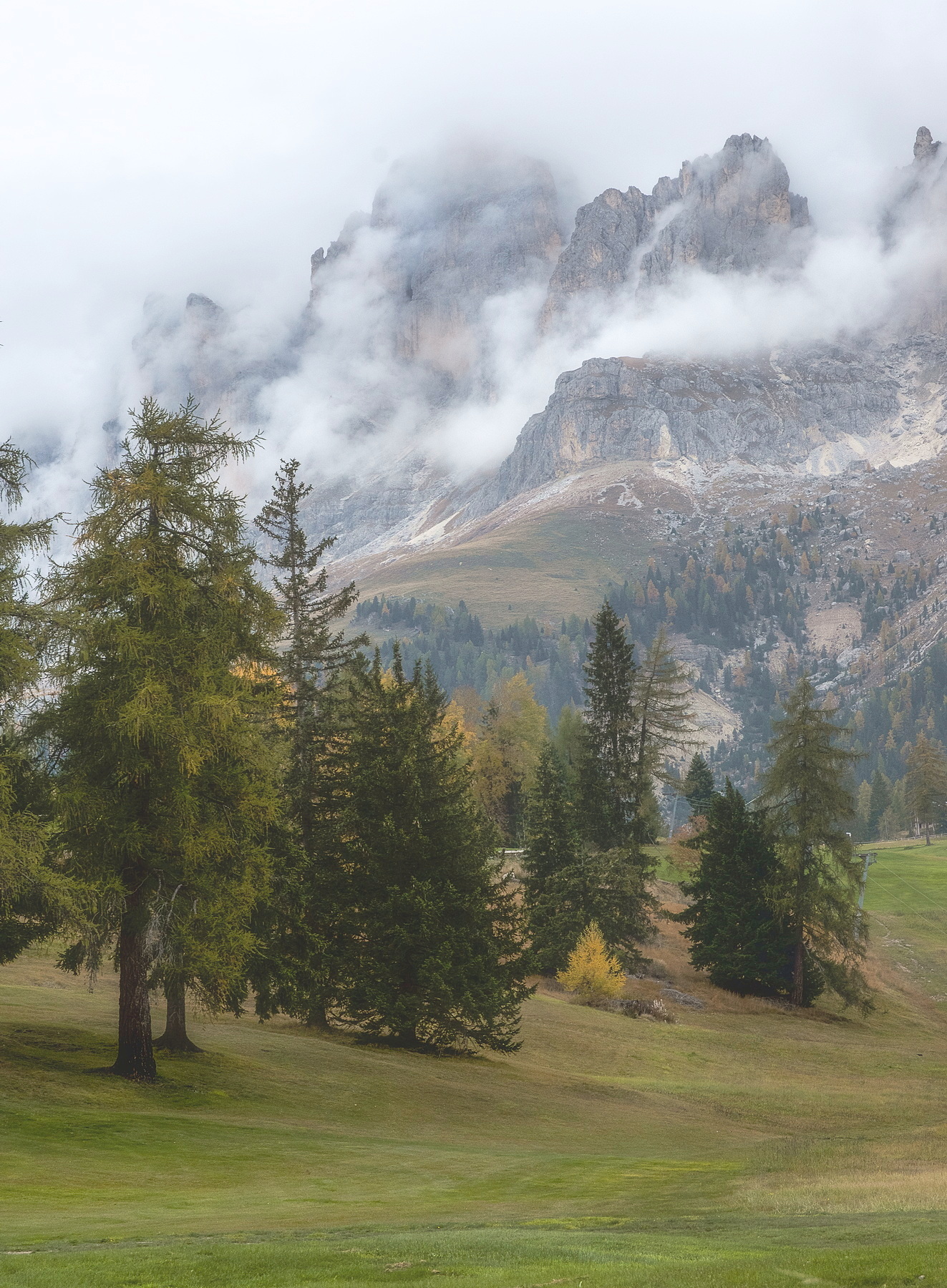
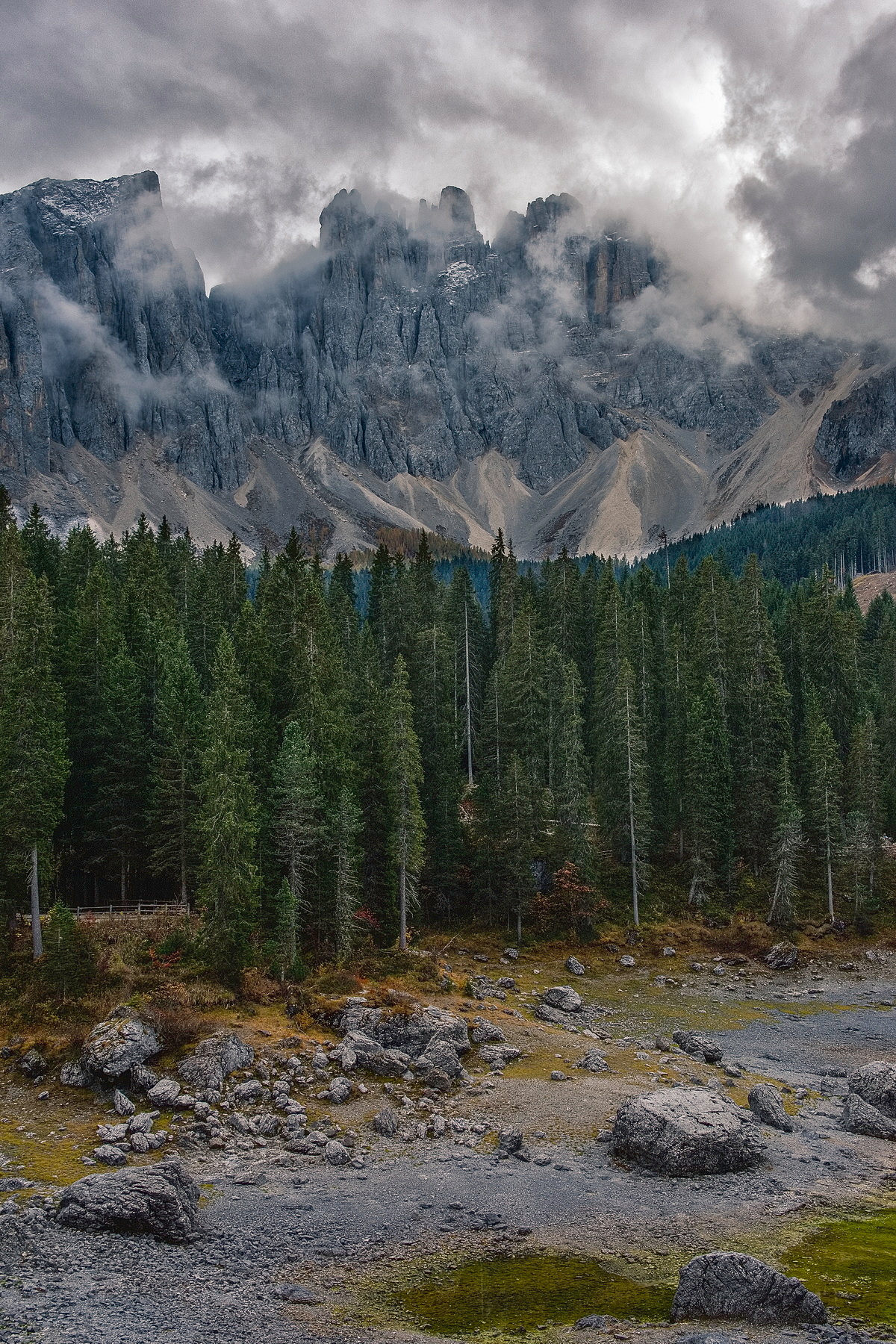
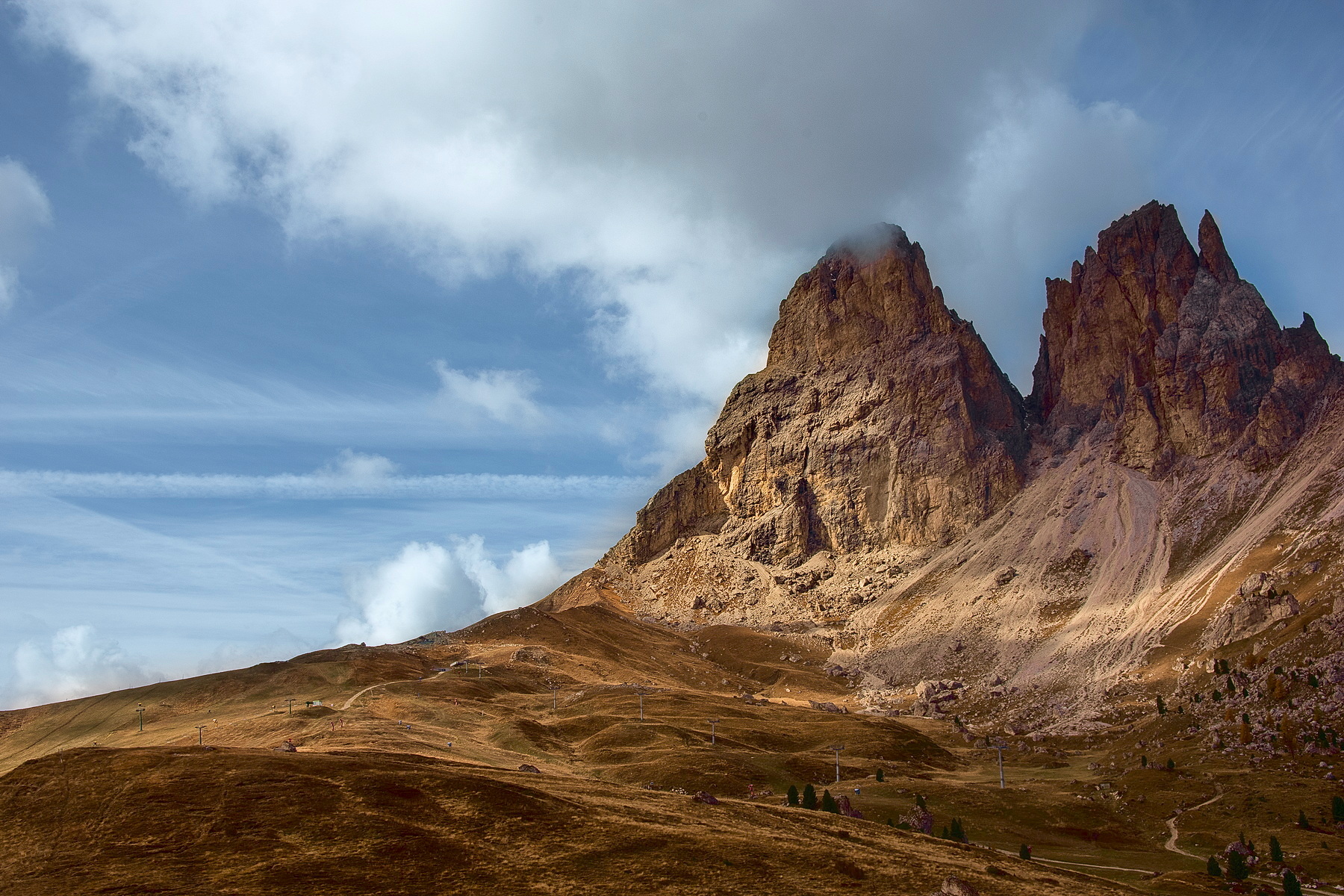
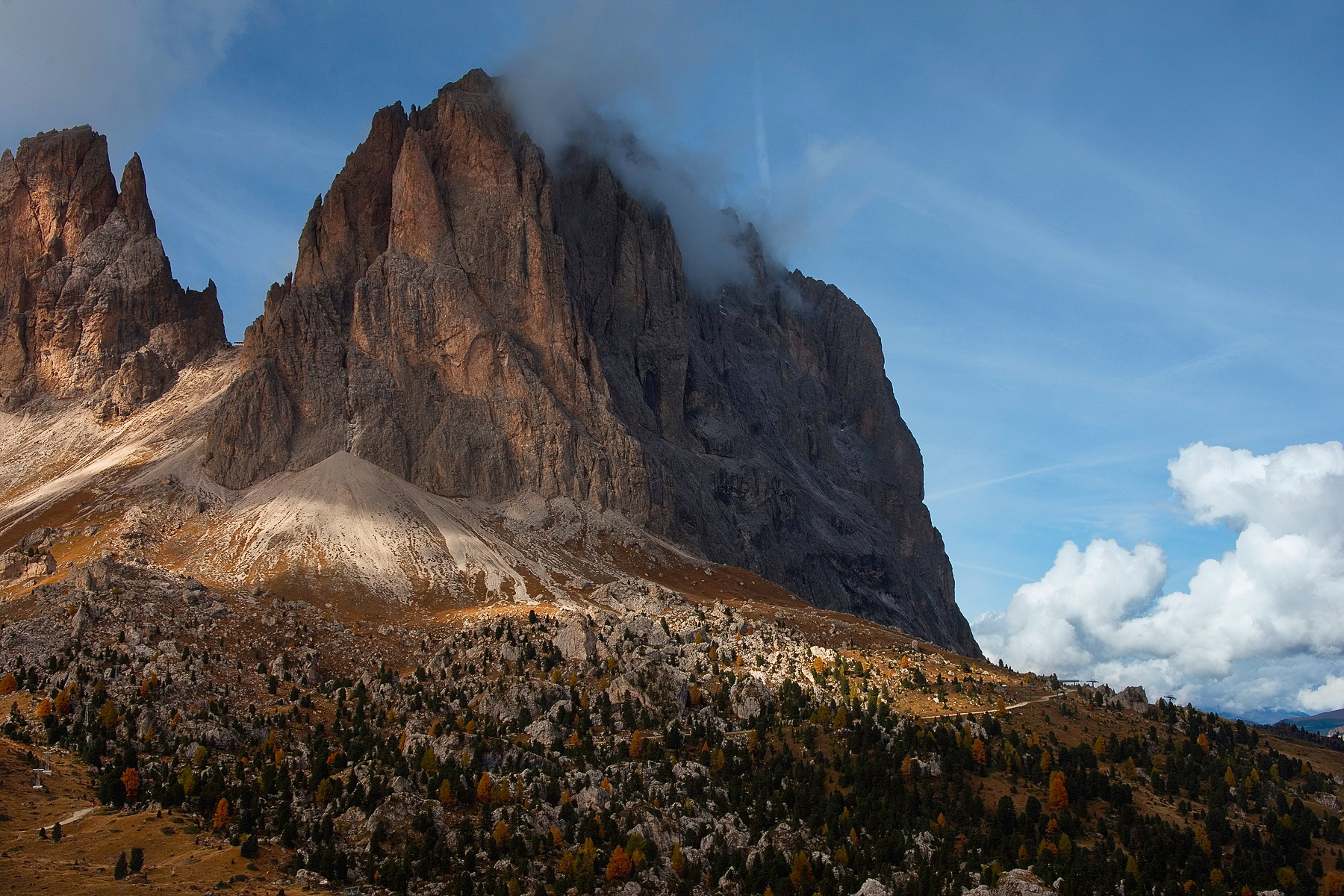
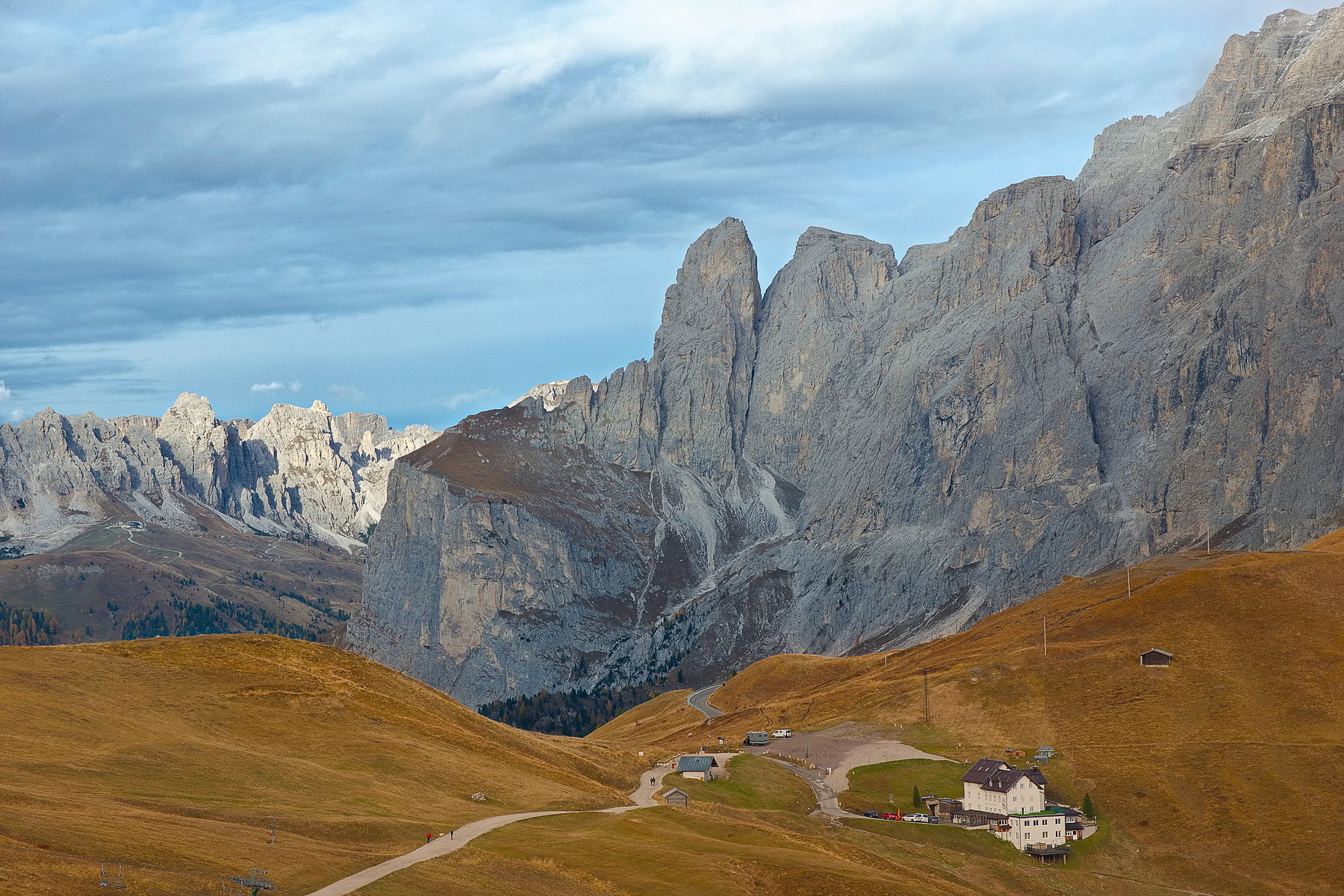
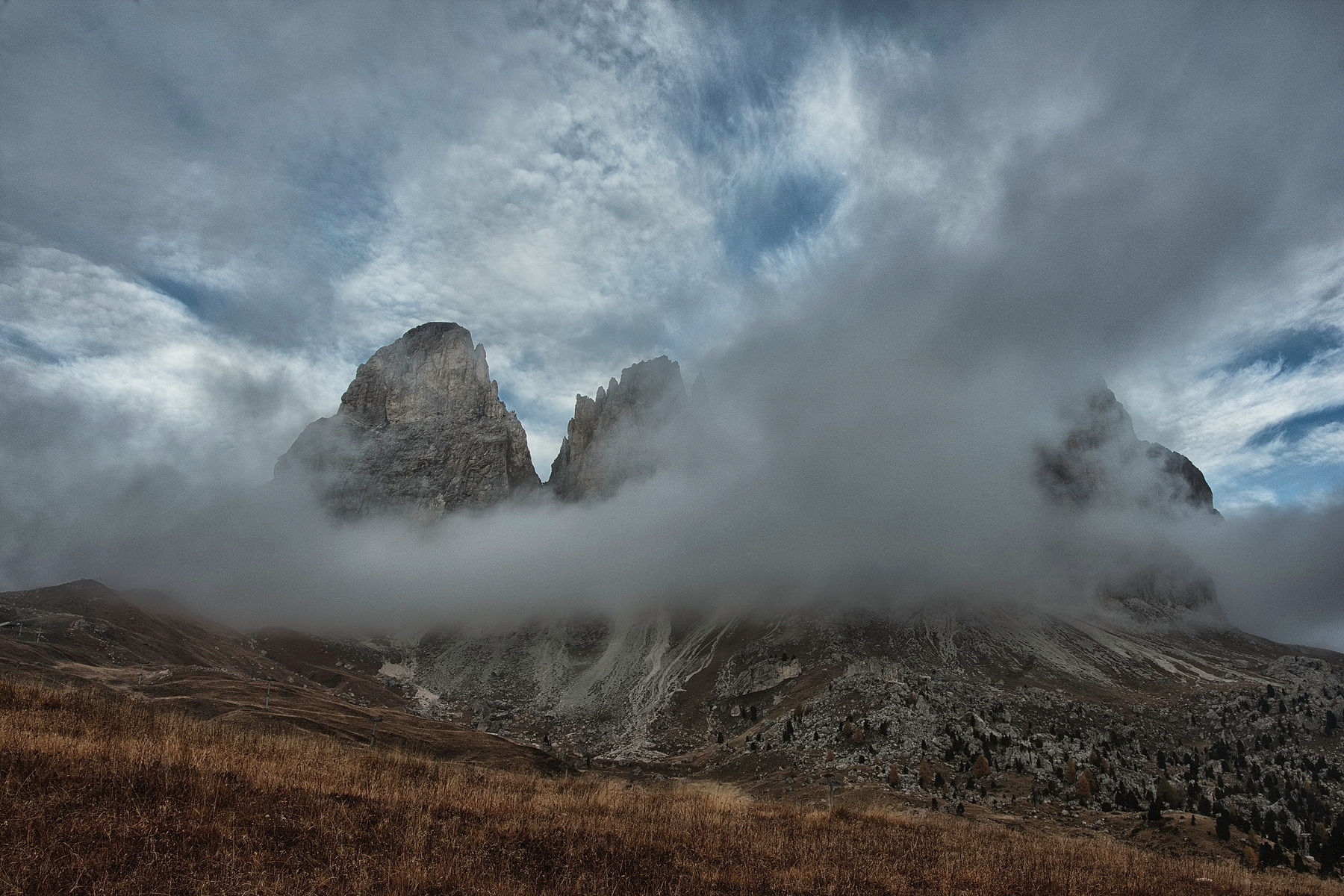
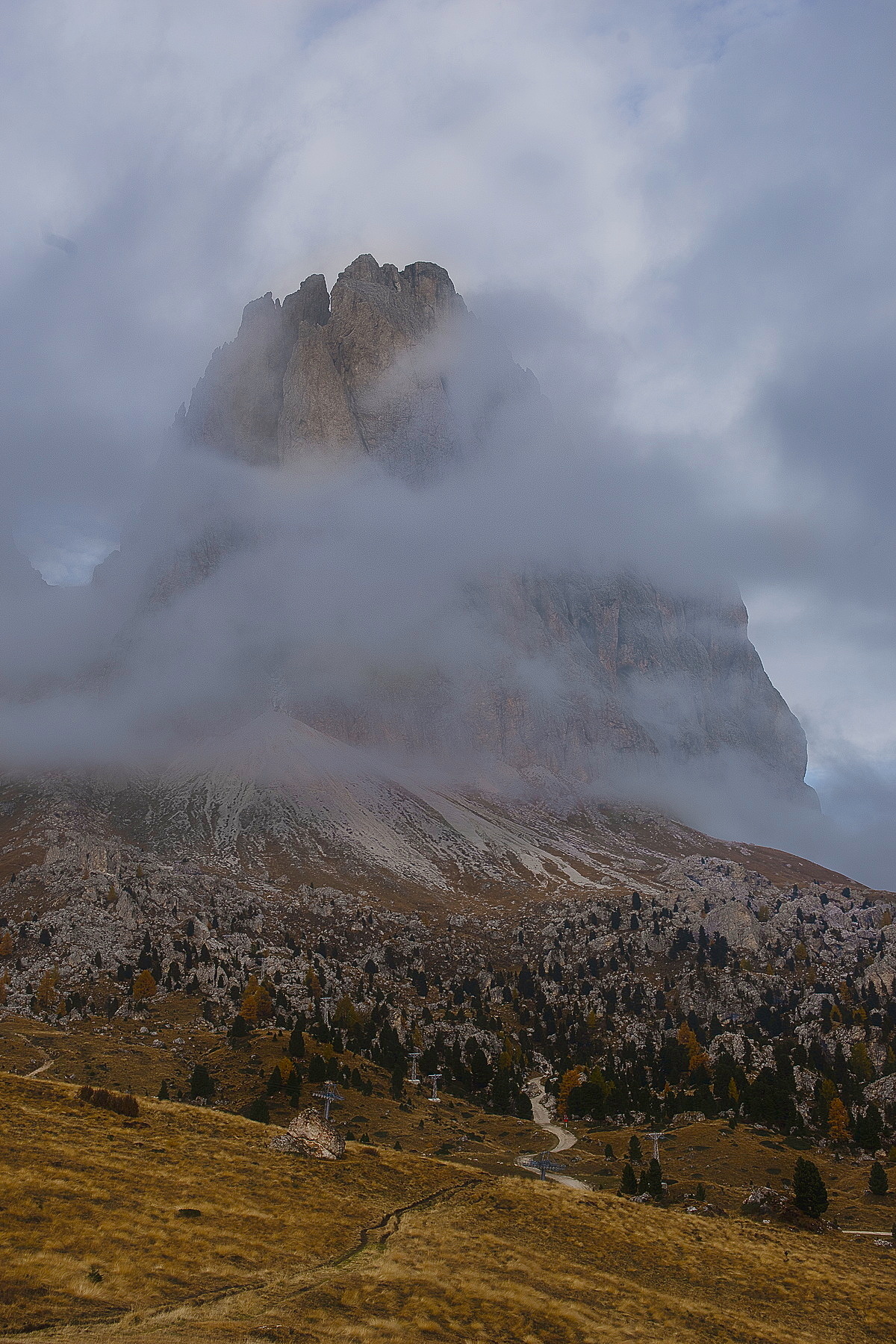
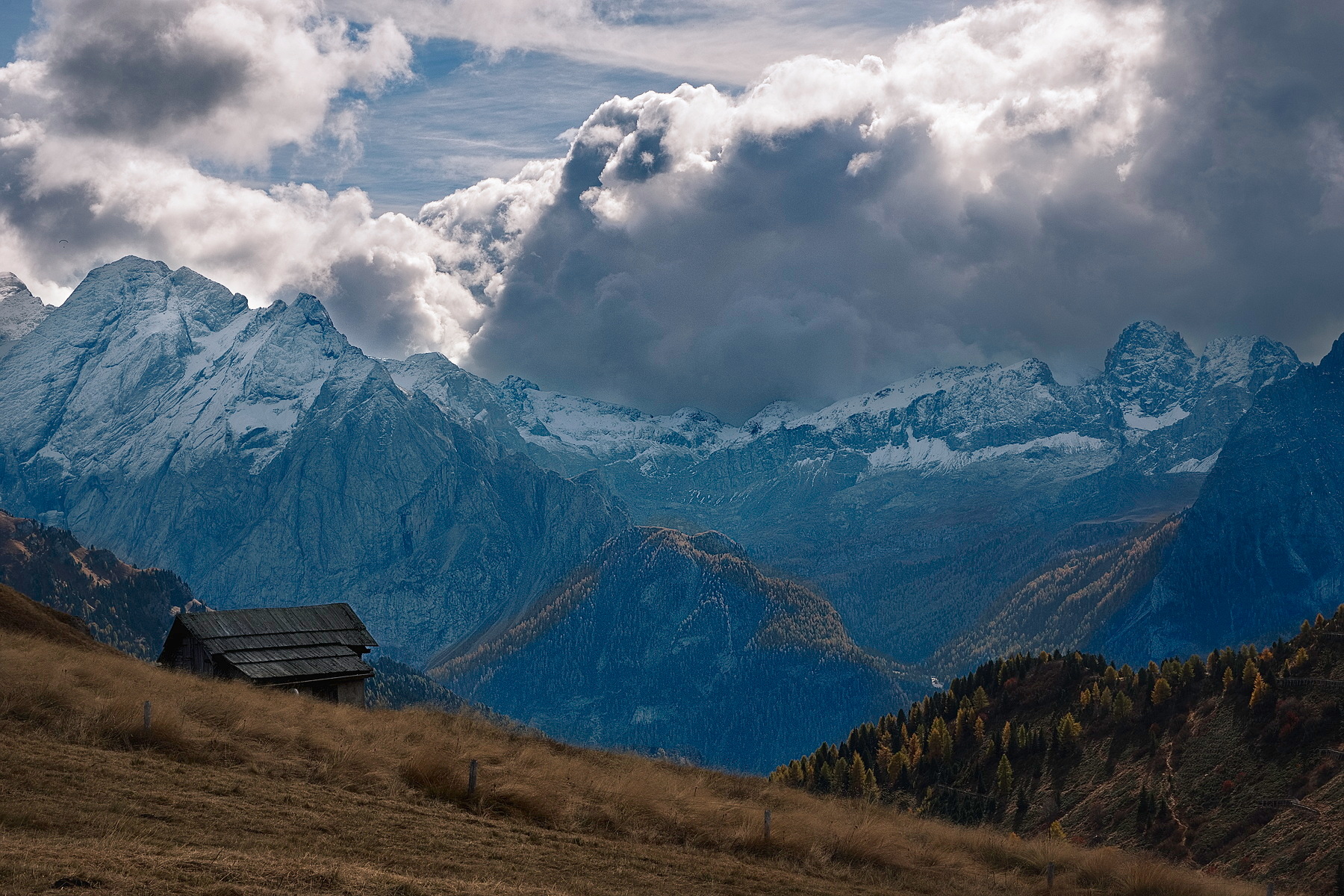
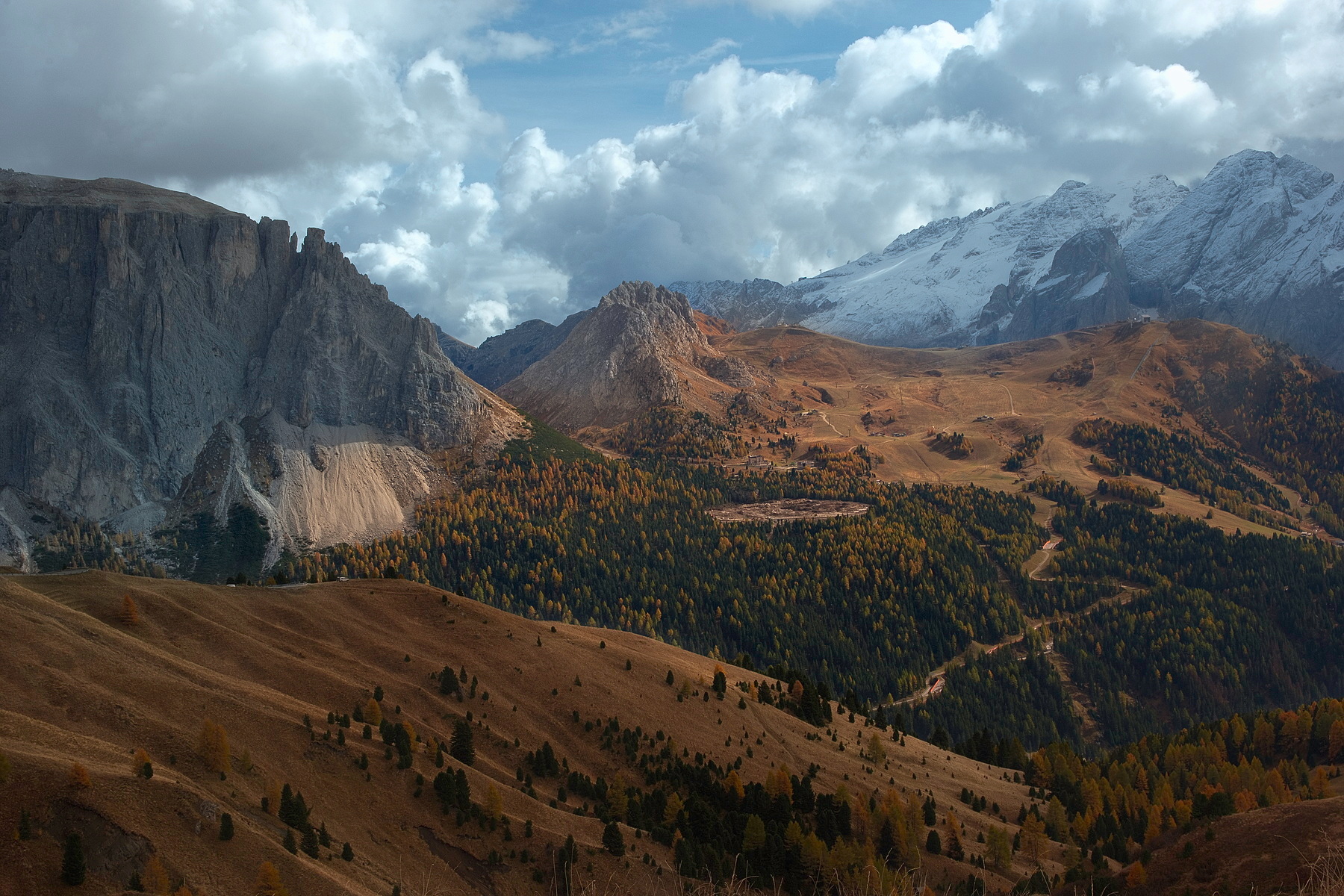
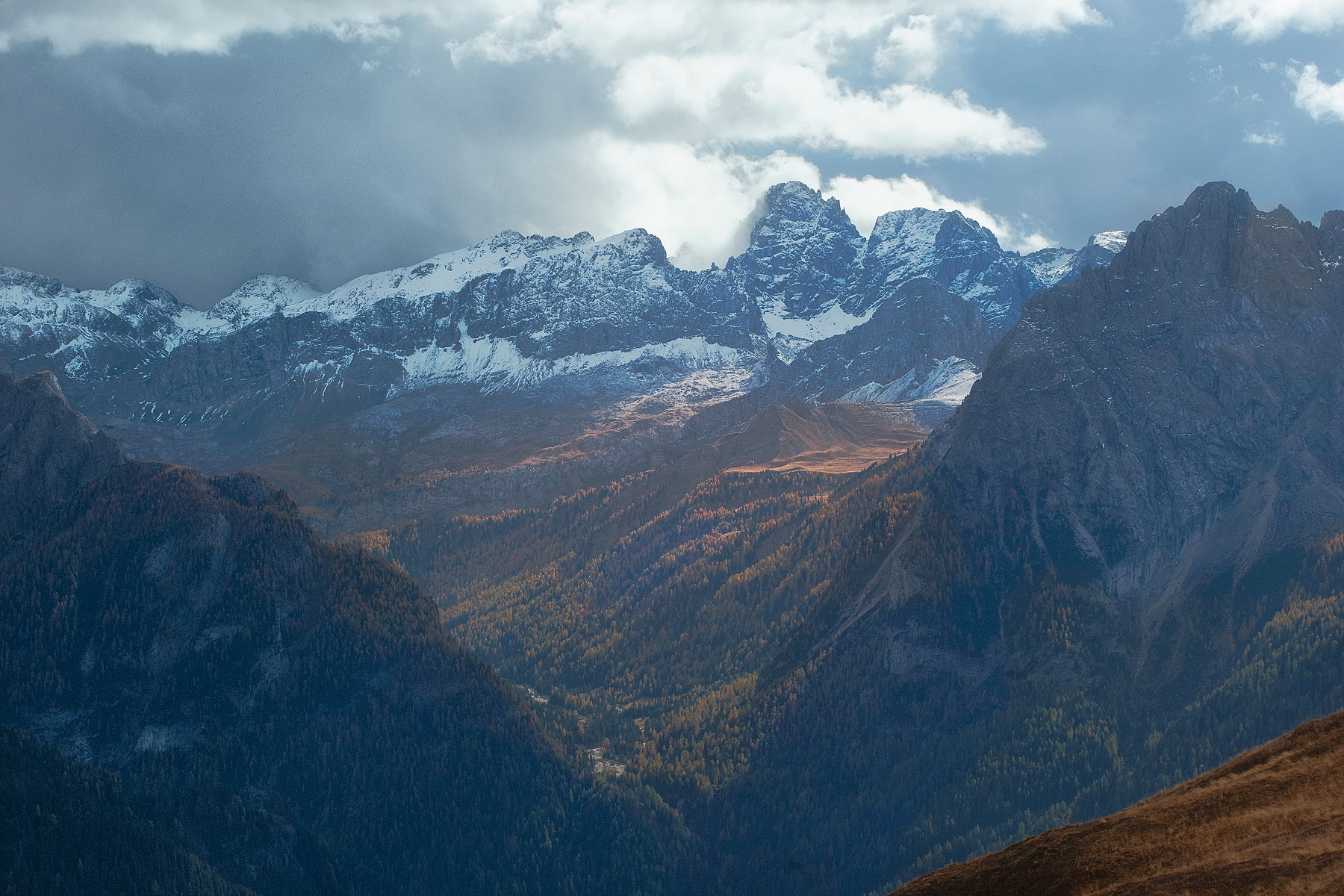
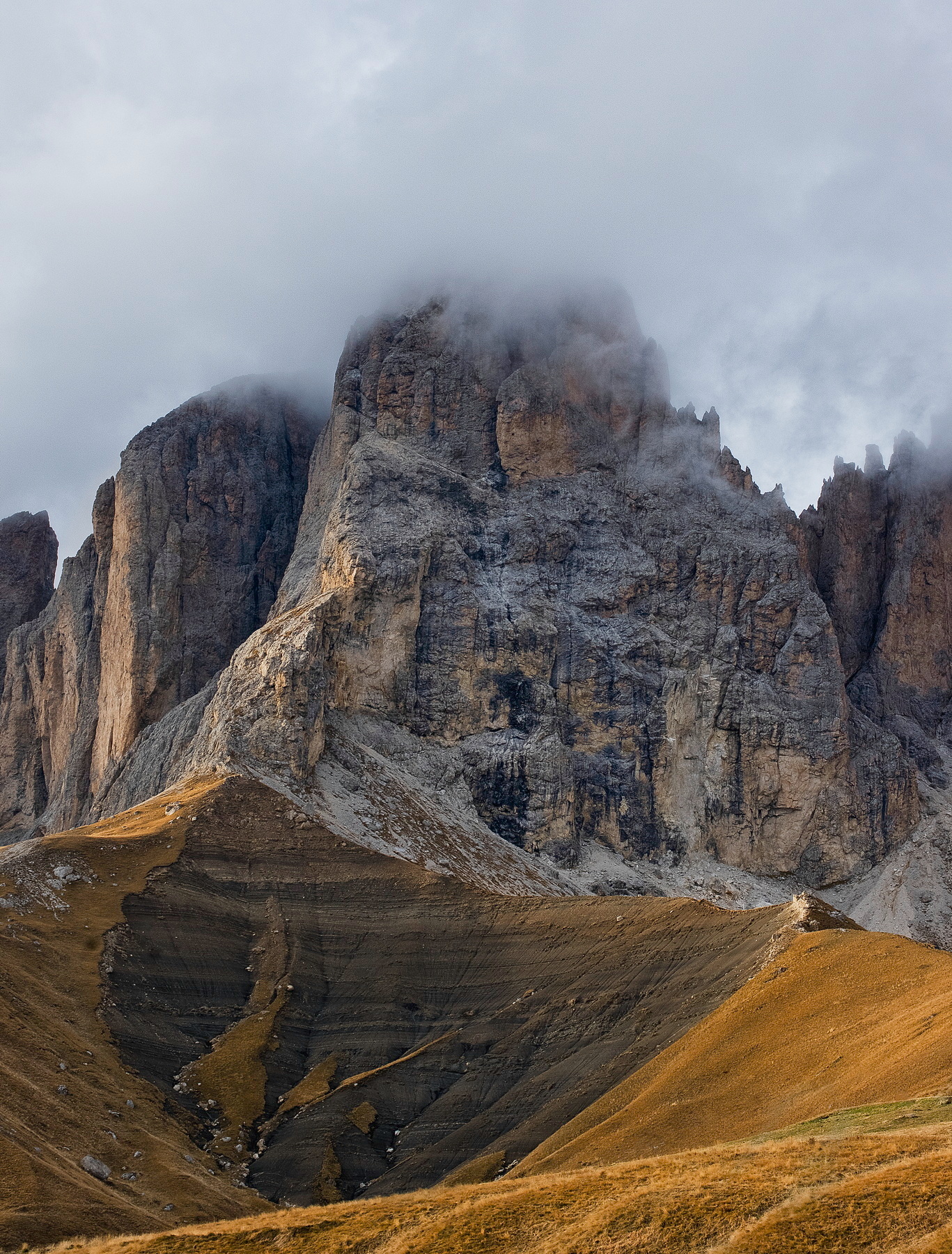
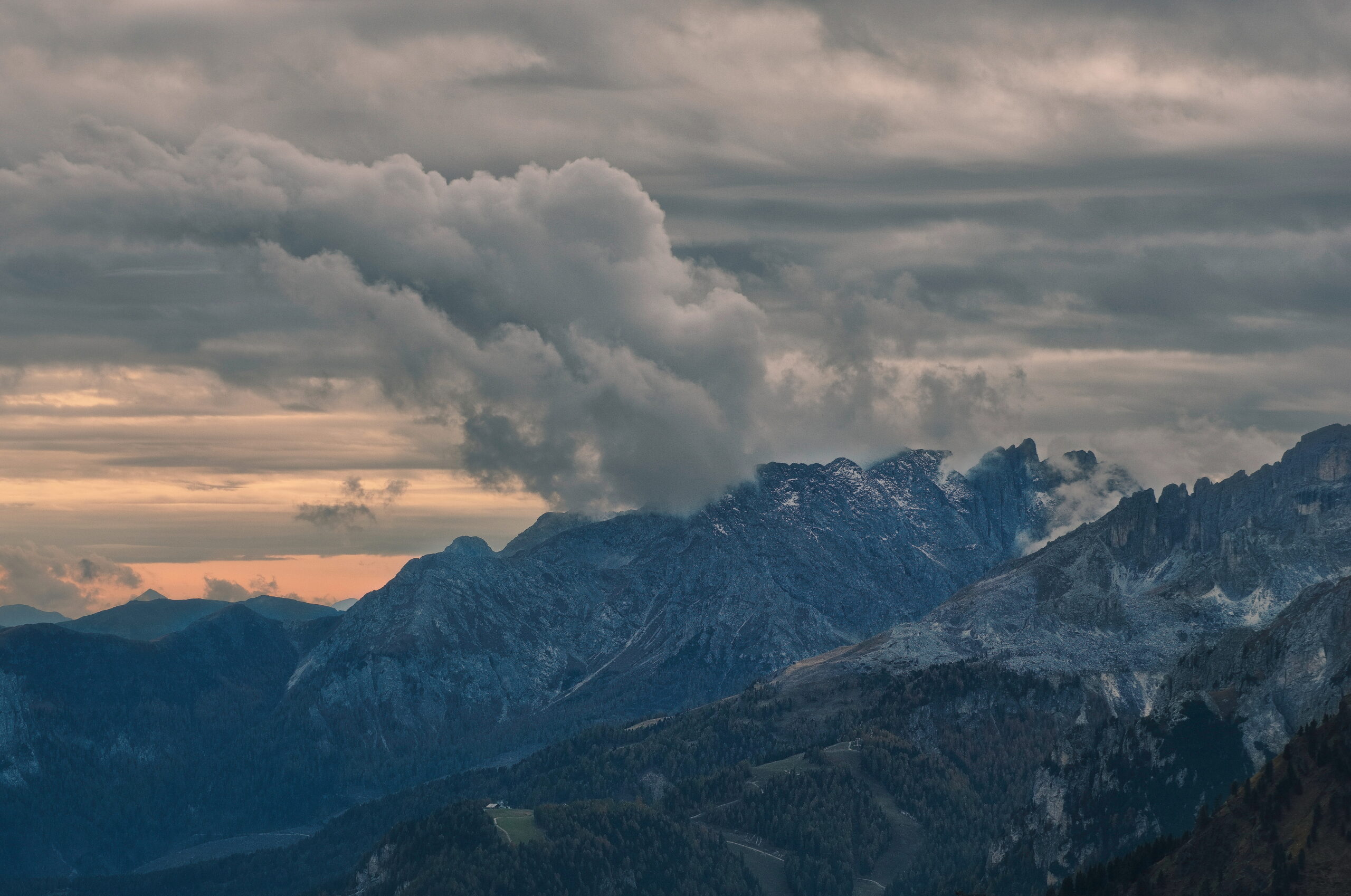
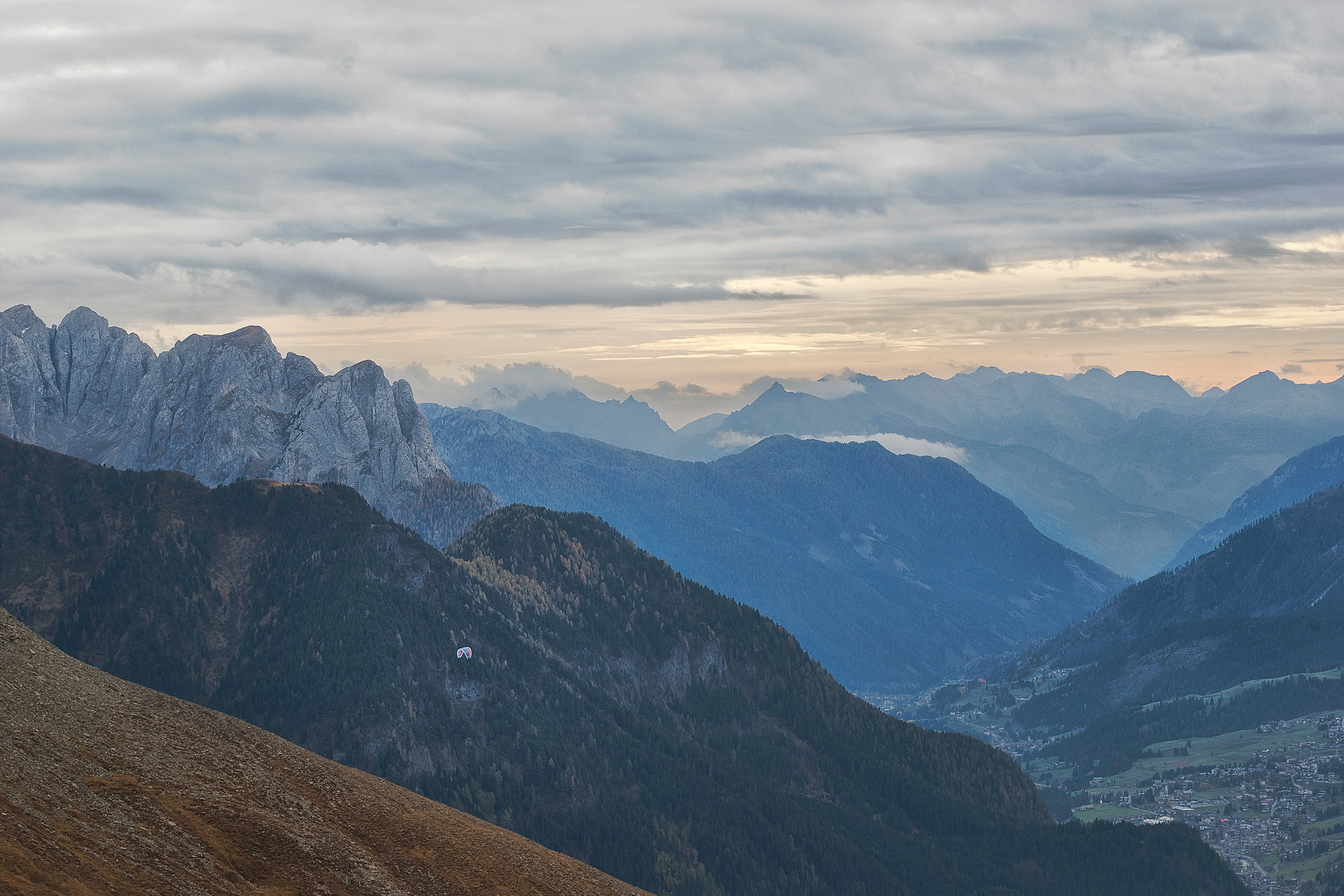
It has been many years since I took up mountaineering with any real dedication. One day in those distant times, waking up in a bivouac on a pass at an altitude of 2,500 metres before sunrise, I witnessed something I had never seen before. The slow way in which the light gradually emerged over the darkness of the valleys – some shrouded in thick layers of mist – and the faint glow spreading across the ridges and peaks silhouetted against the dark blue of the sky, revealed to me the existence of a silent, cool world, far removed from the neuroses and obsessions of humankind.
After a while, I too fell victim to those anxieties and obsessions, and the mountains were gradually relegated to the second, third or even fourth plane in my life. Those anxieties and obsessions dictated my priorities.
Much has been written about the mountains. And every culture that lives in or near the mountains has forged a specific relationship with them, a relationship reflected in their stories and myths, most of which, much to my regret, I am unaware of. For some cultures, the mountains are inhabited by spirits – when the mountains themselves are not spirits – with whom one must establish a harmonious relationship; a relationship which, if broken, can have terrible consequences.
In my own culture, where, for the Greeks, the mountain was the abode of the gods – Mount Olympus – the mountain has come to be a setting for therapy, competition and economic exploitation, for pure plunder. Our relationship with nature reveals who we are.
Despite everything, for me the high mountains – even though I can no longer reach their summits – remain somewhere between the beautiful and the sublime, as Edmund Burke explained in detail long ago.