In his book *The Other Venice*, Pedrag Metvejevic recounts how a wise man he met in the port of Mugia, in Trieste, warned him against doing two things: ‘Do not describe places that many people have visited; someone has already done so before you, and perhaps better’—the first; and ‘Avoid quoting other people’s texts’—the second.
And as for painting – or photography, which is much the same thing – it is Matvejevic himself who warns us that, after what has been painted (by masters and amateurs alike), it is difficult to paint – or, in my case, photograph – Venetian sunsets, and almost impossible to describe them. Anyone who, despite everything, decides to do so, takes a great risk.
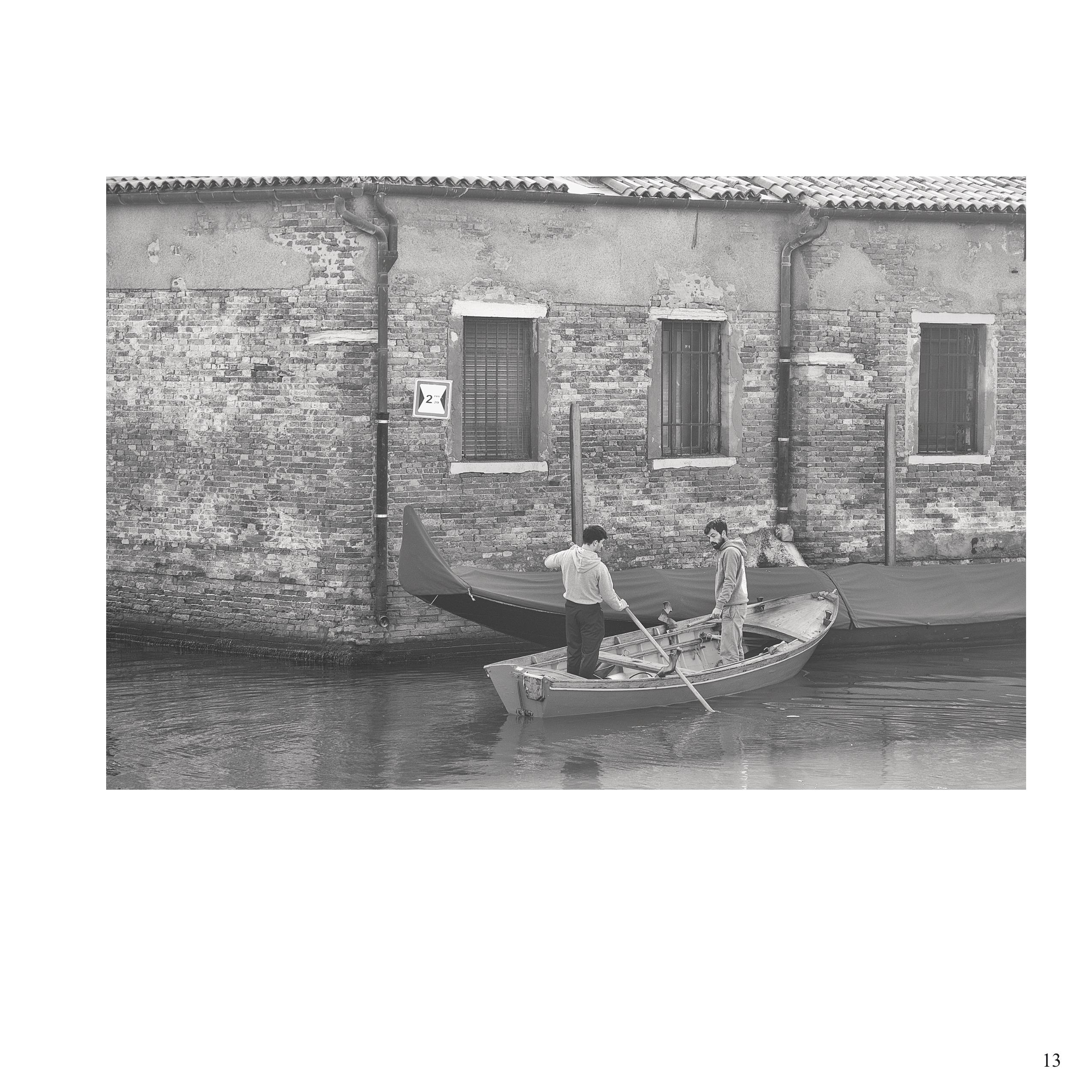
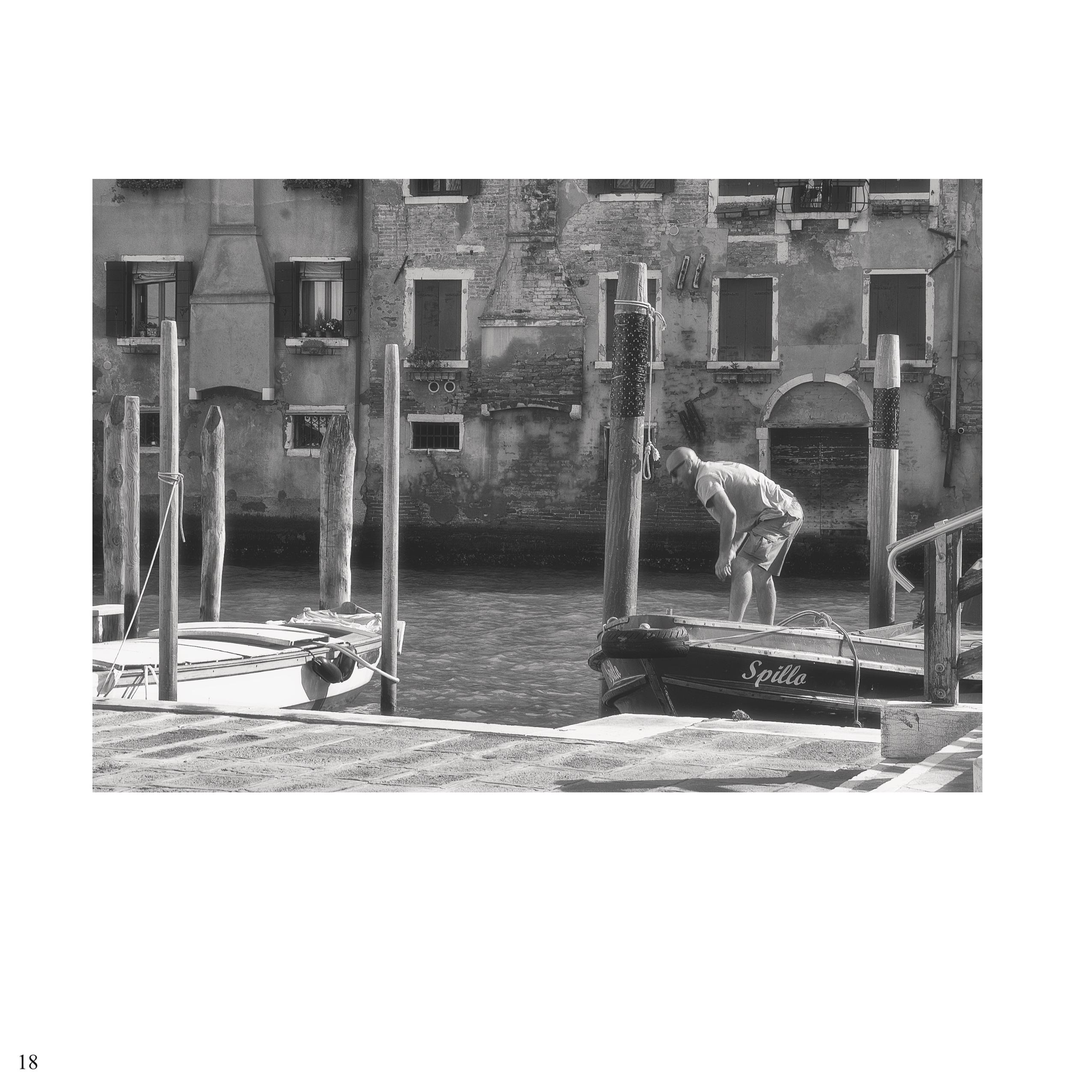
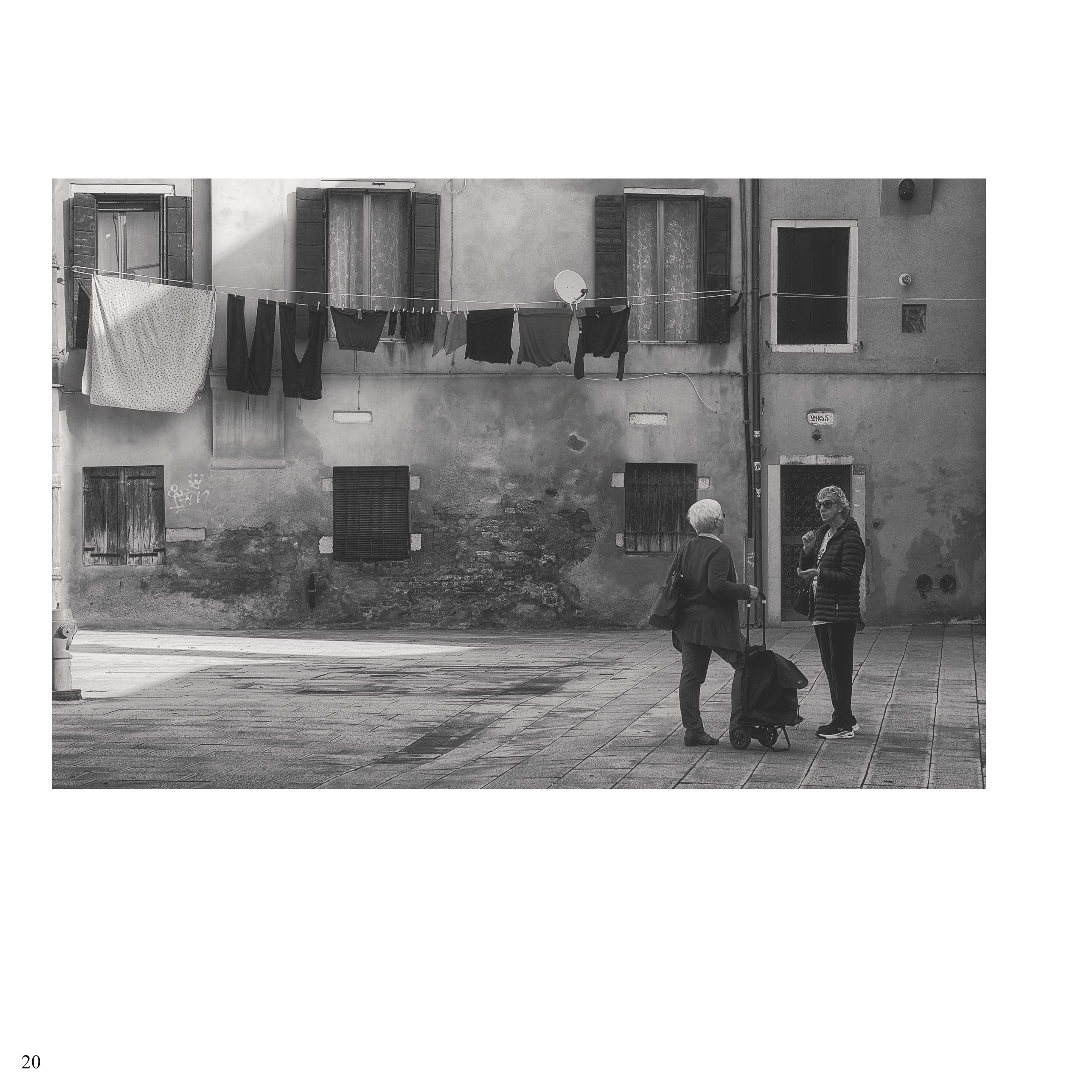
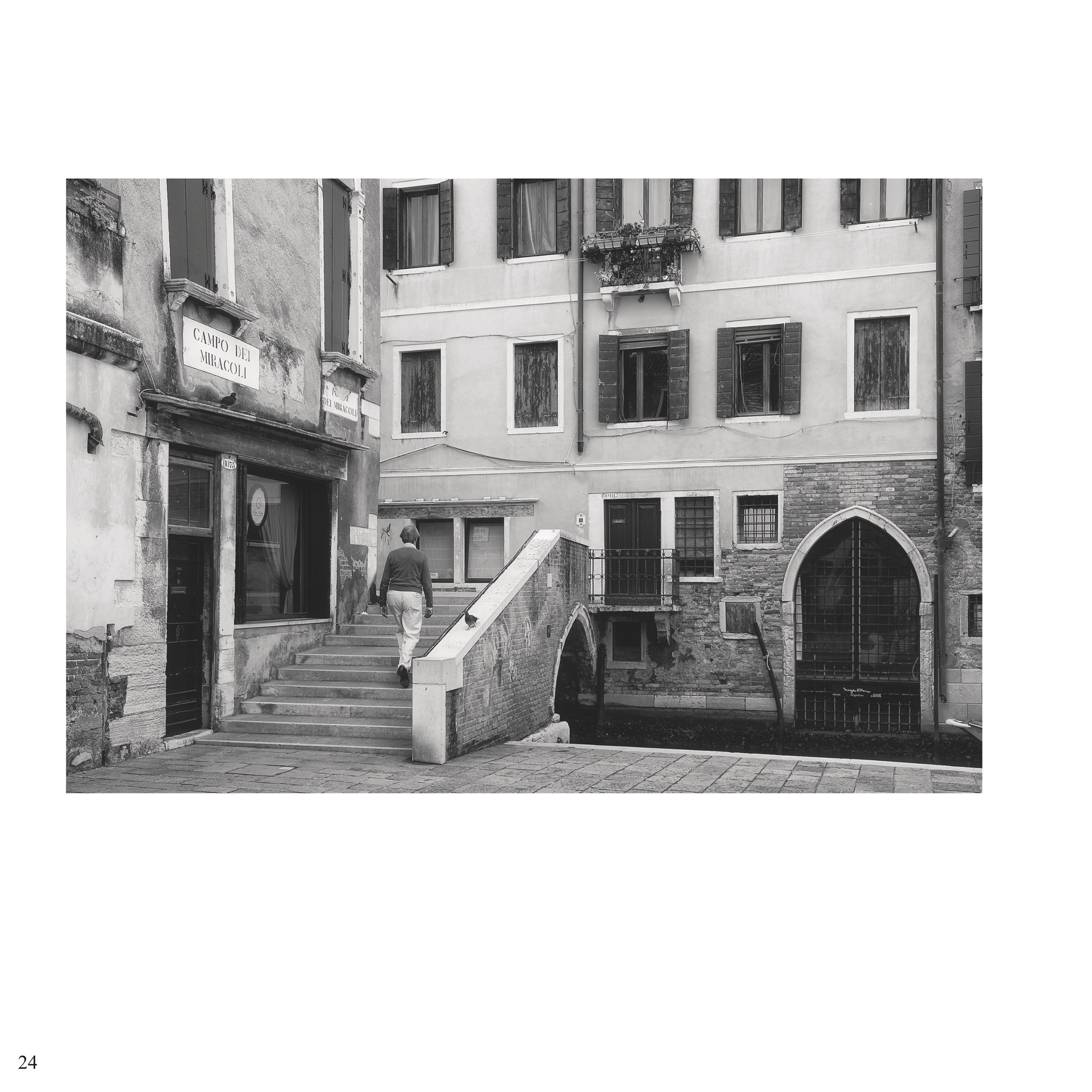
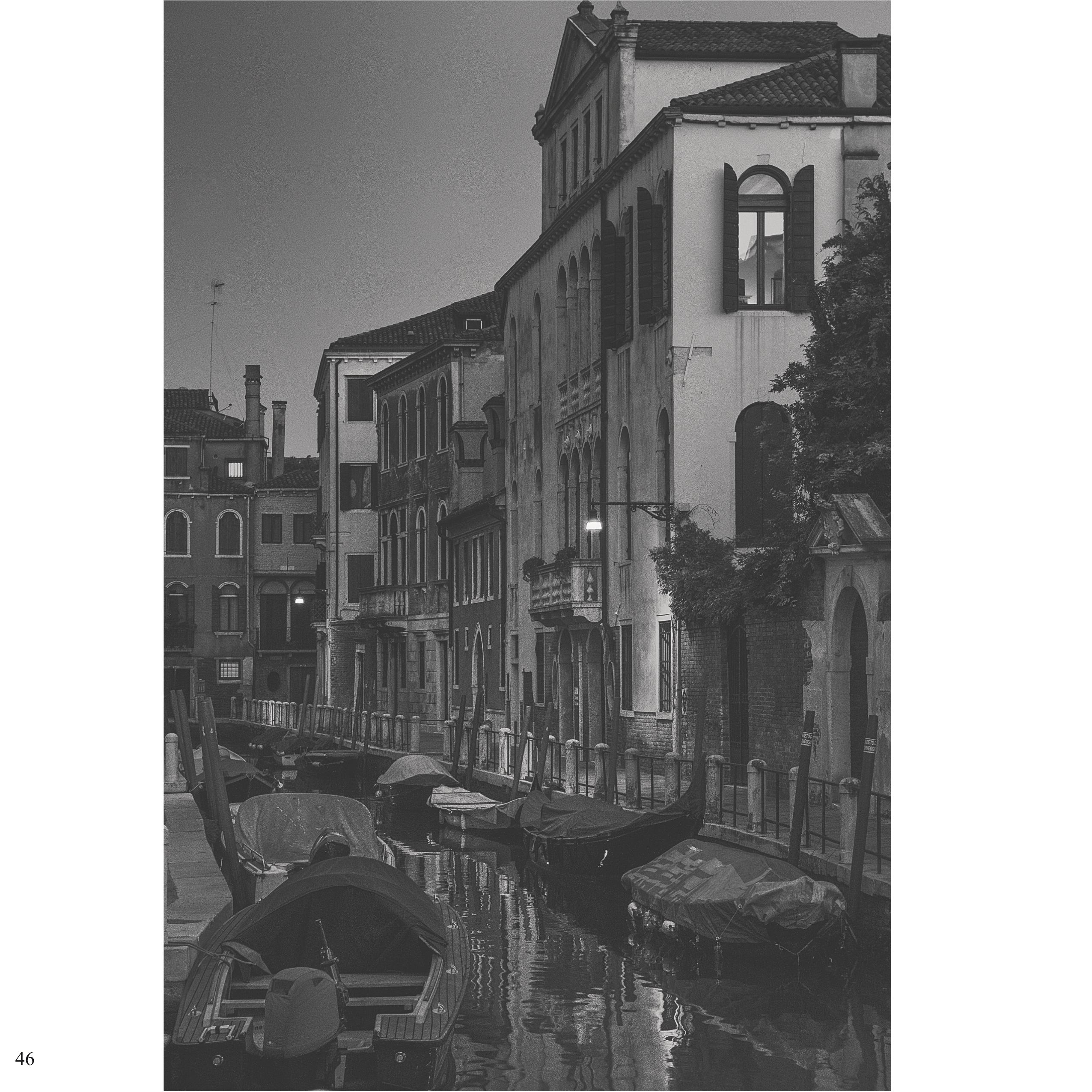
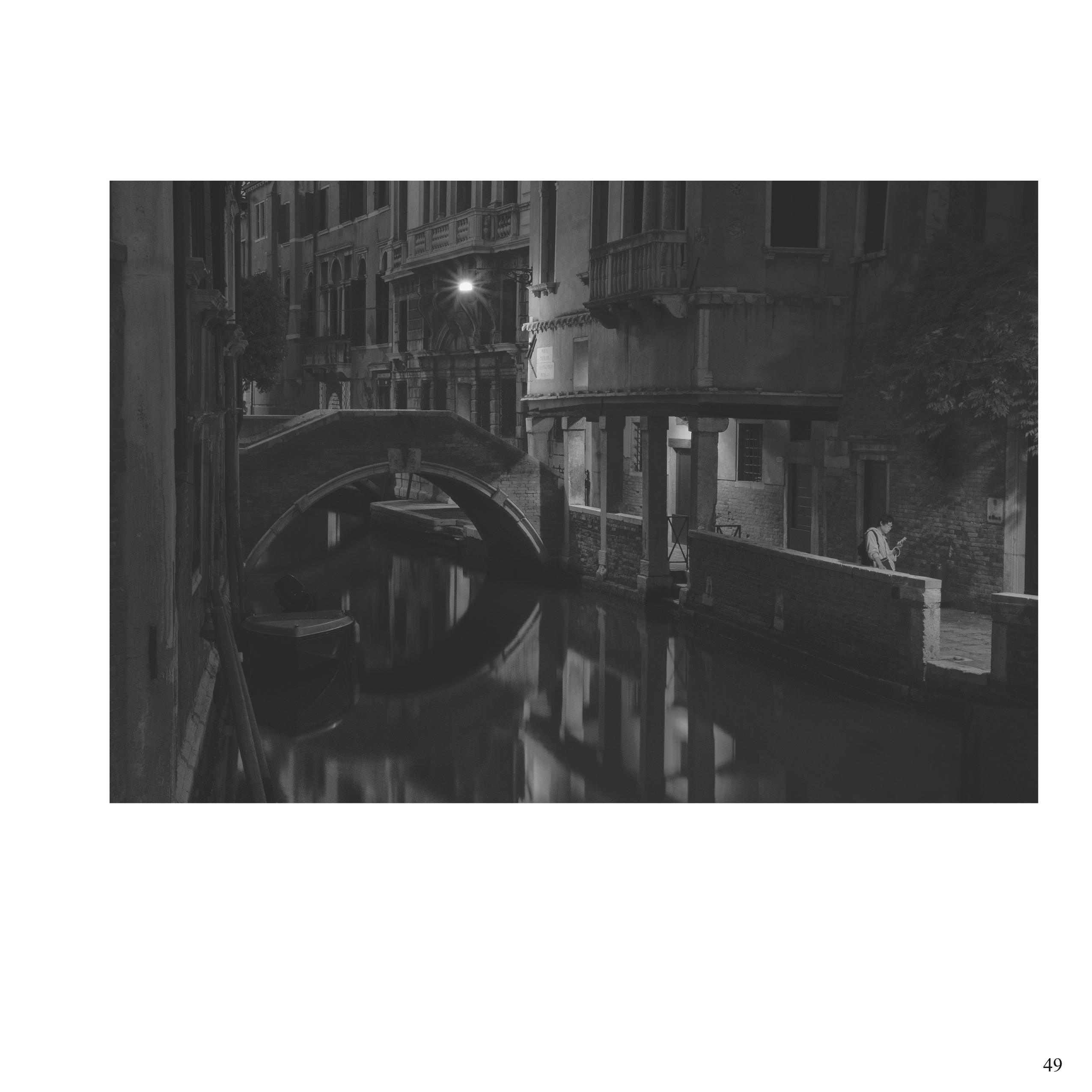
Despite the warnings of the sage of Mugia and of Matvejevic himself, I could not help but capture, through my camera, what I saw during my visit to Venice—a fact which, as Matvejevic himself warns us, is a frivolity for which one pays dearly.
To my surprise, my stay in Venice was pleasant and peaceful, except when I tried to navigate the turbulent waters of the river formed by tourists, which runs more or less parallel to the Grand Canal and stretches from Piazzale Roma to the Arsenale, passing by the Rialto Bridge, the Galleria dell’Accademia and St Mark’s Square.
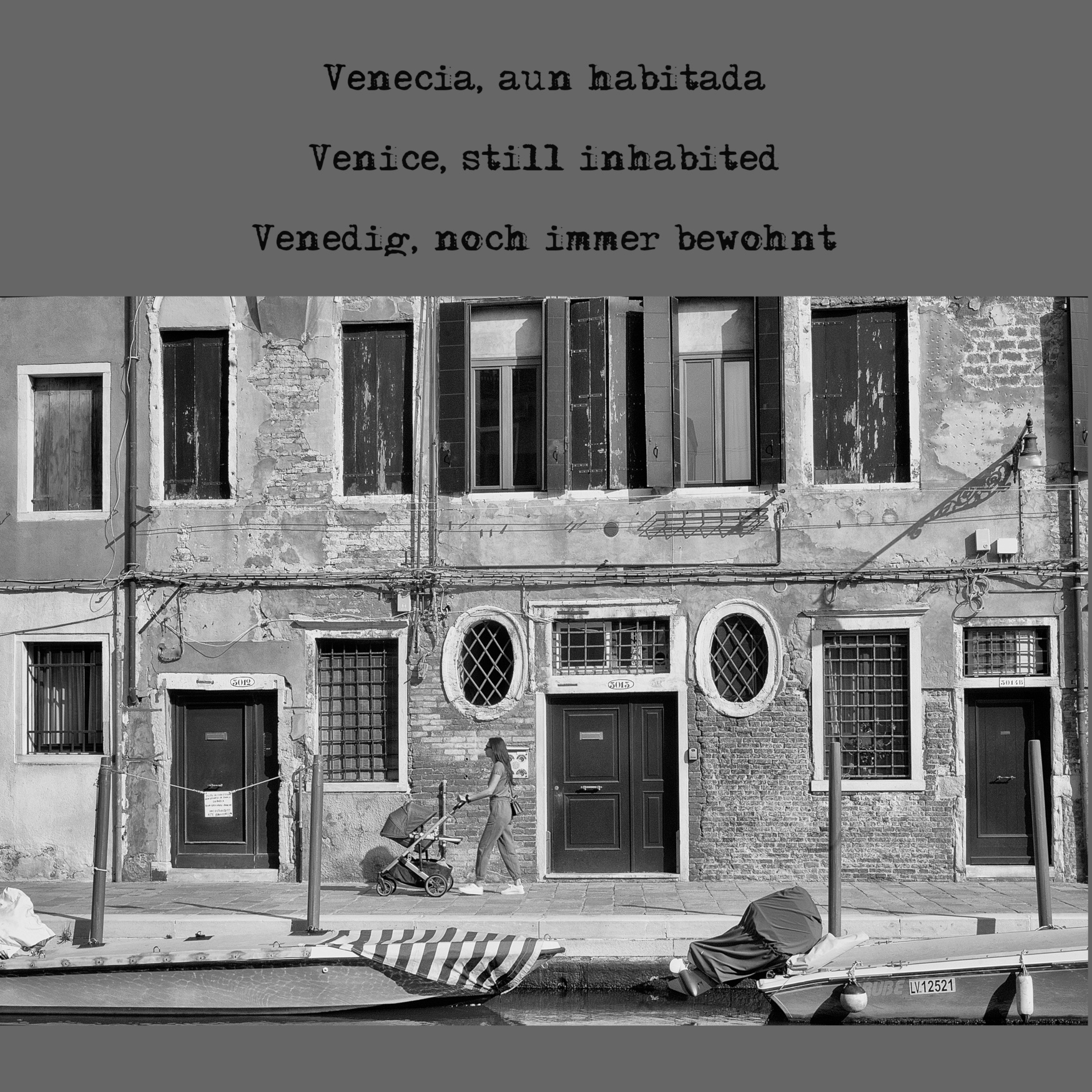
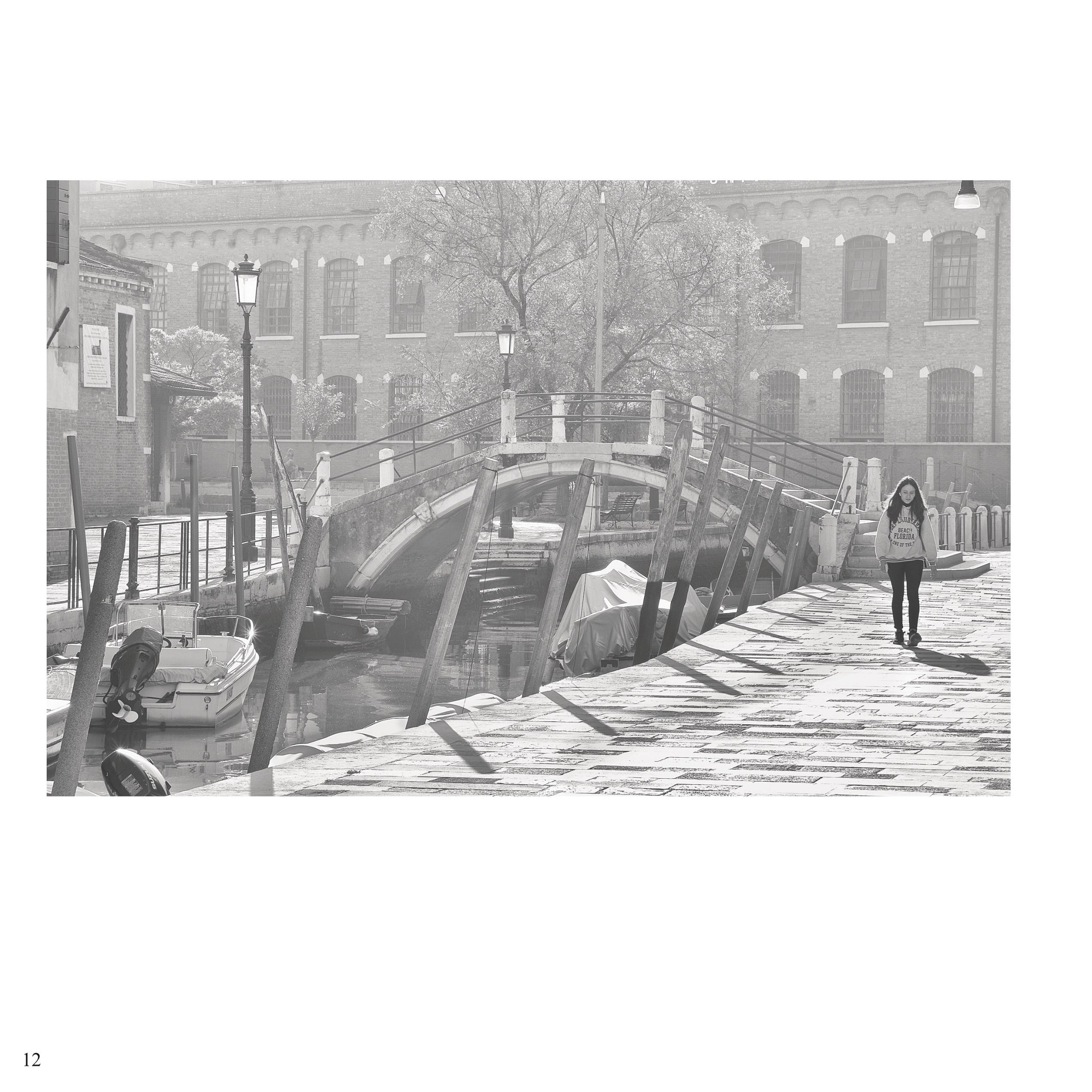
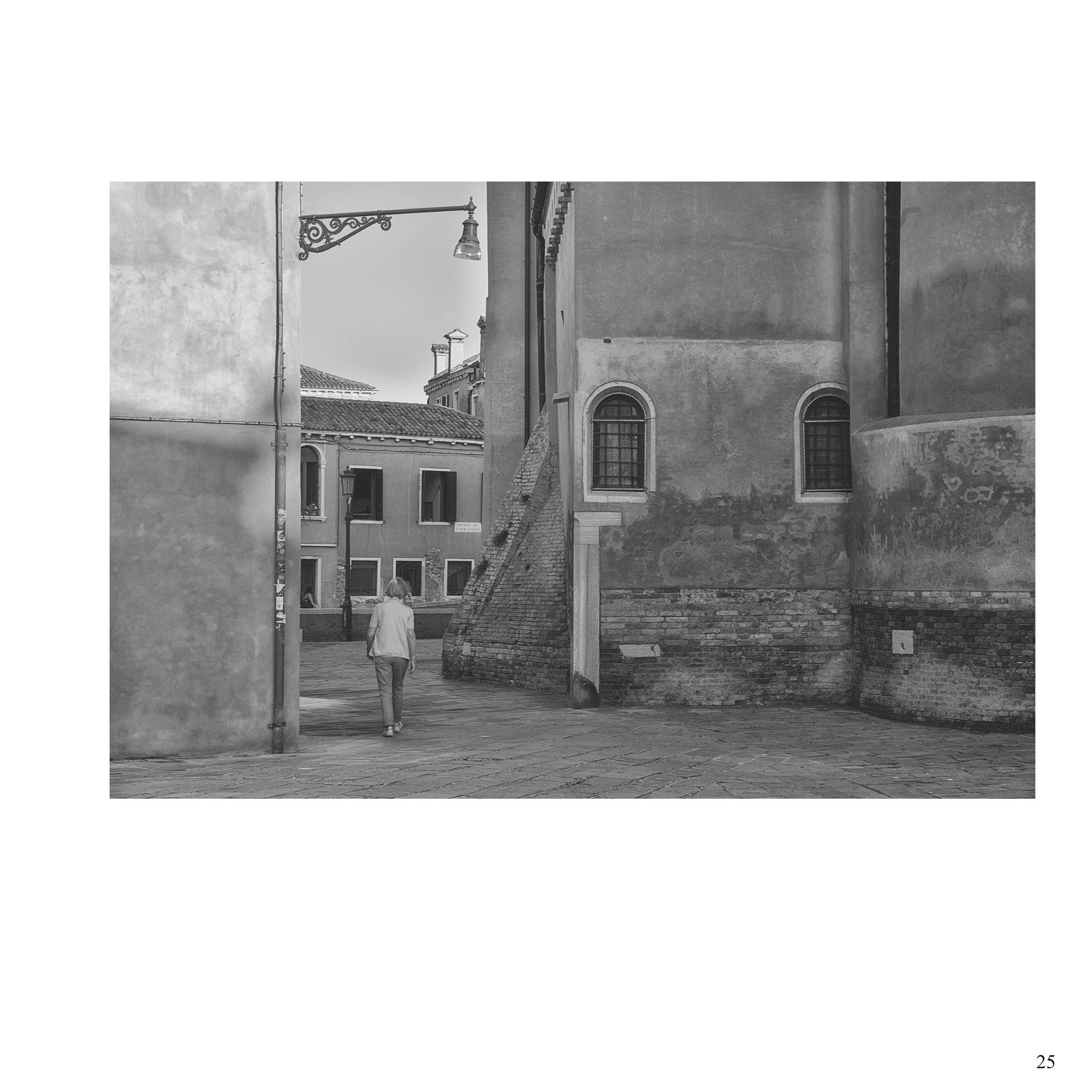
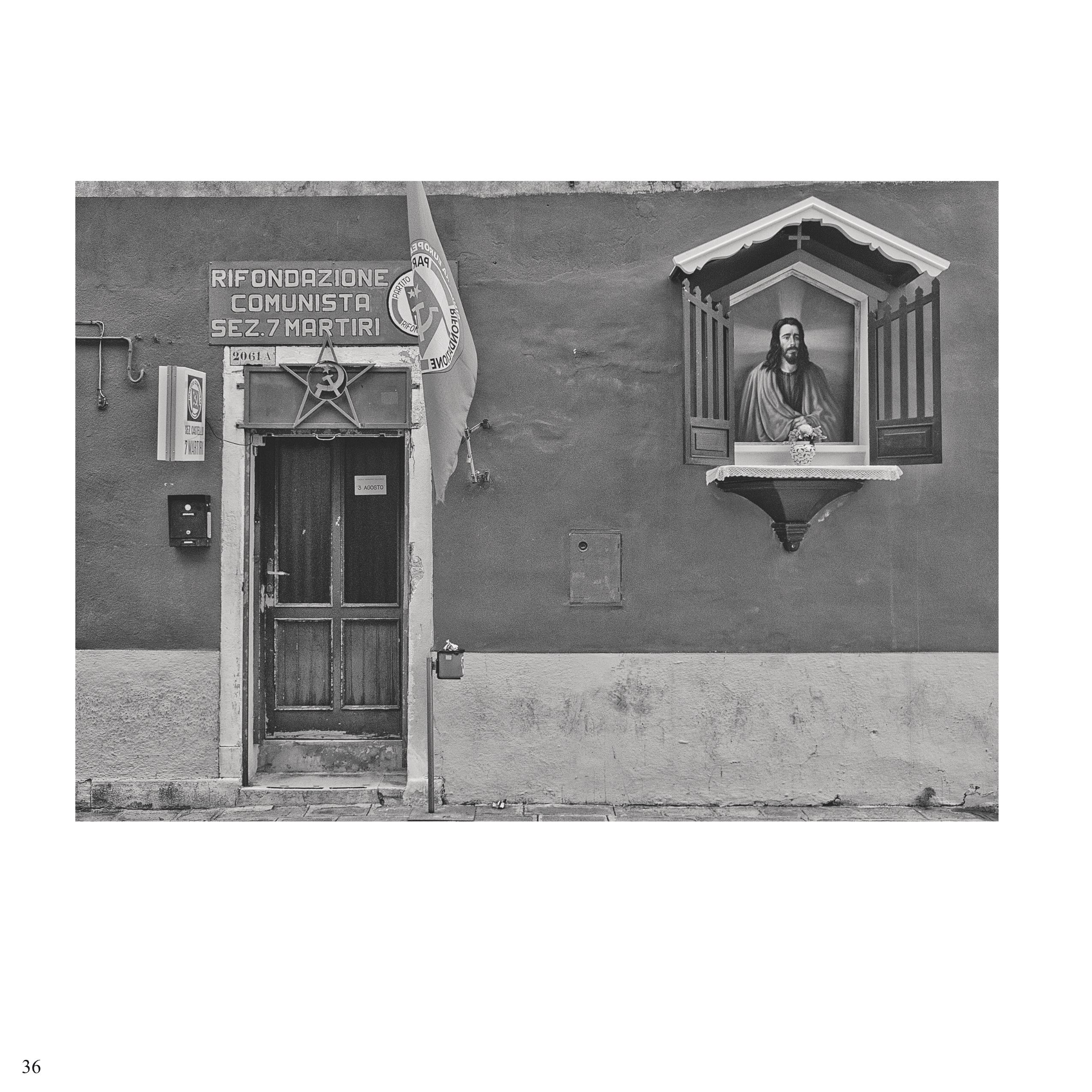
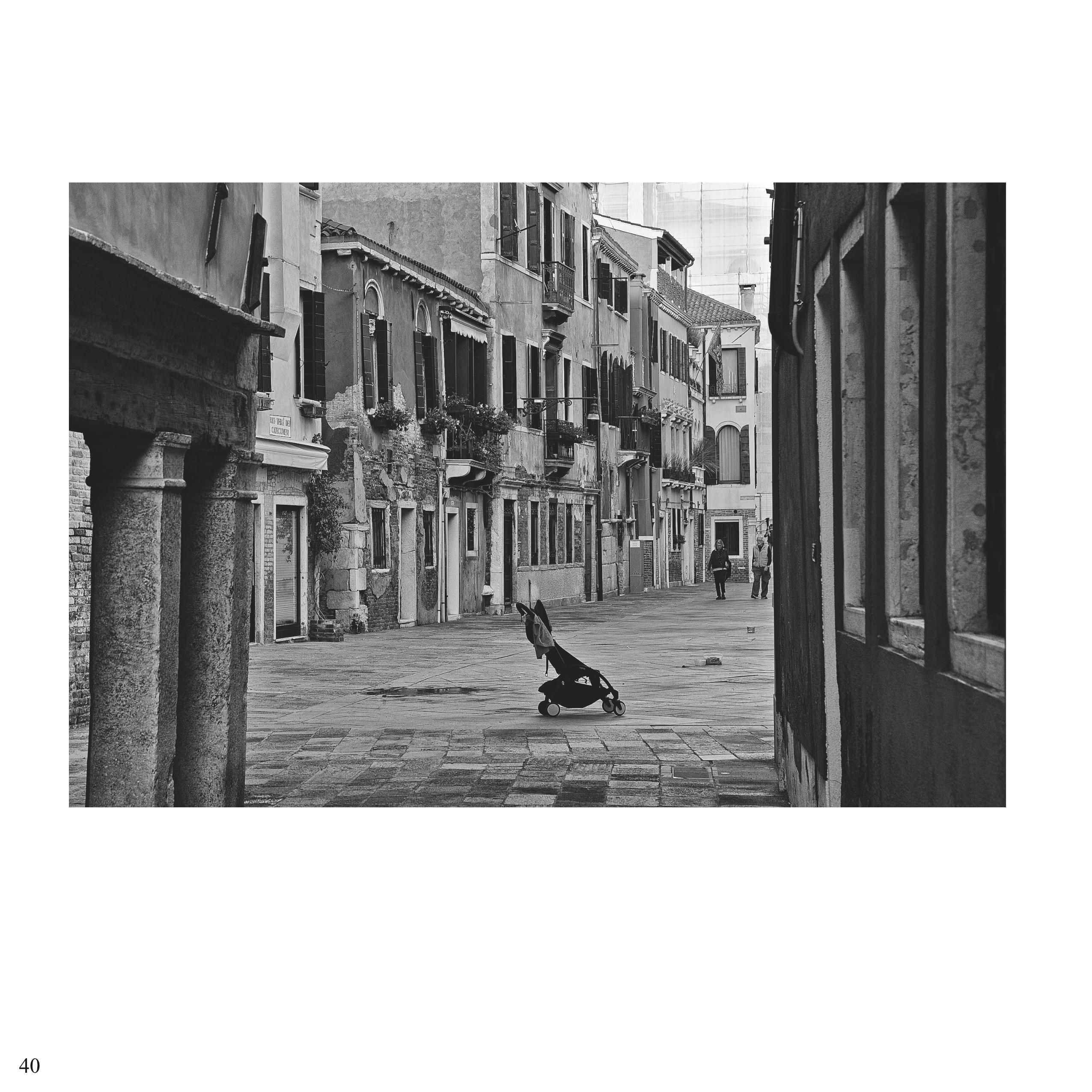
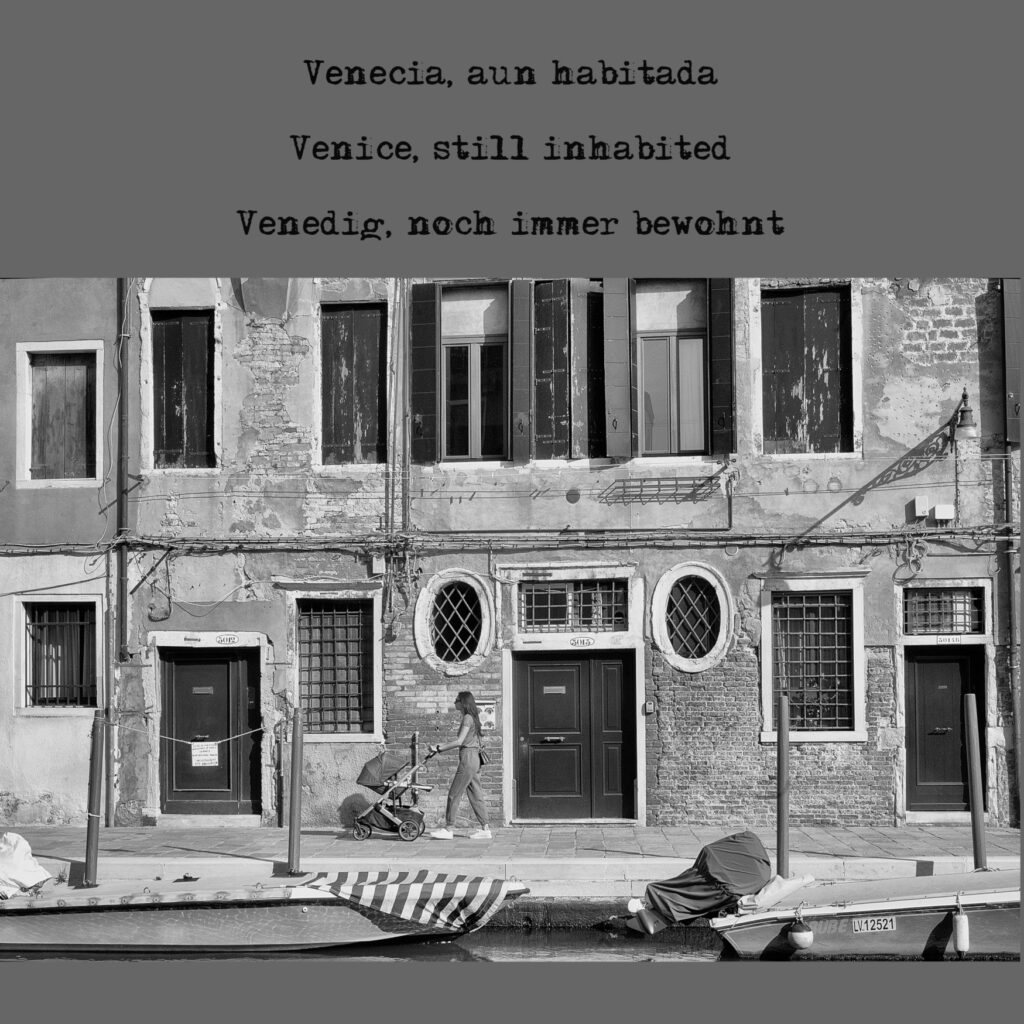
If one steps away from this bustling area, one discovers a quiet, everyday city, close at hand, yet with a certain air of decline that I couldn’t help but associate with the austerity imposed on the citizens since the financial crisis of 2008.
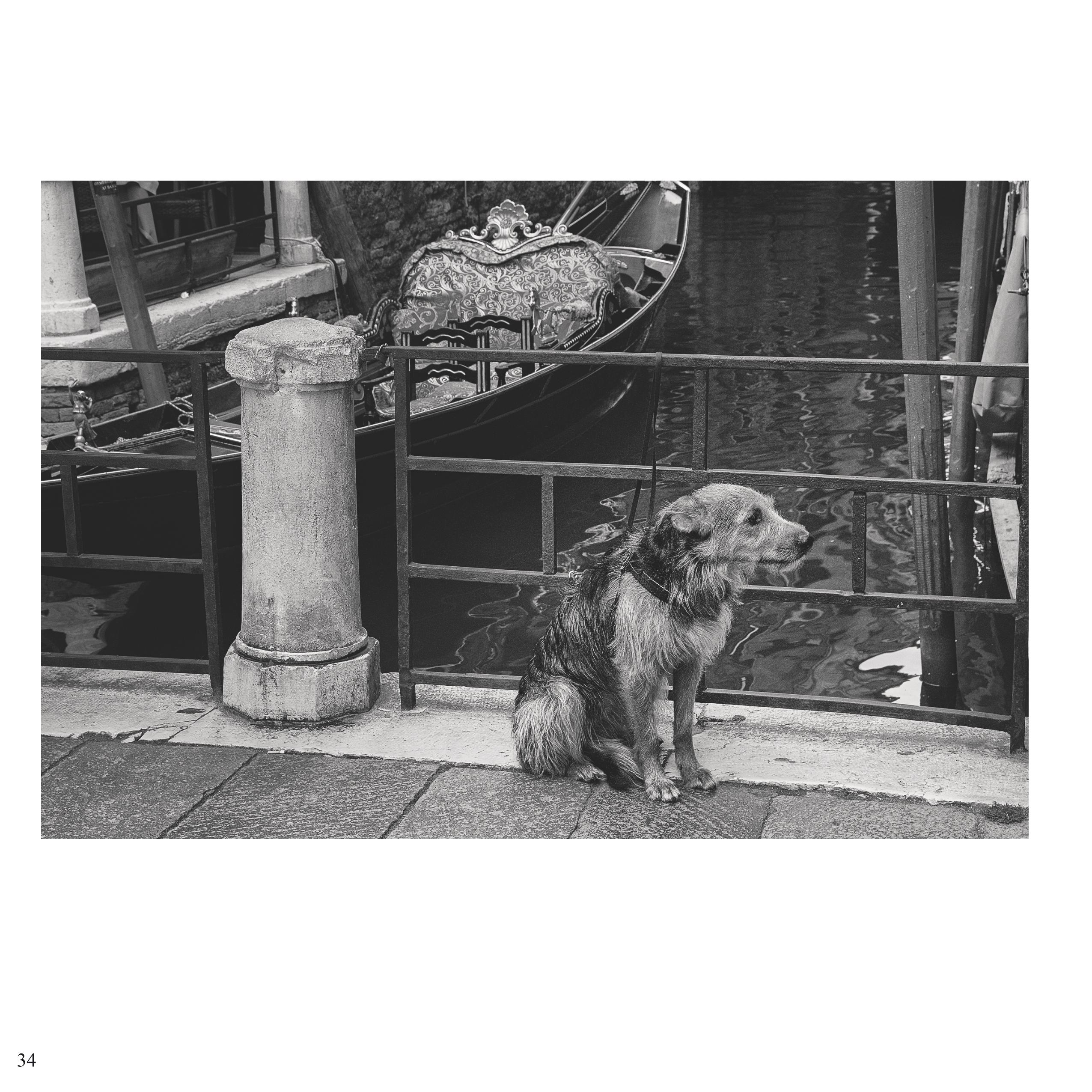
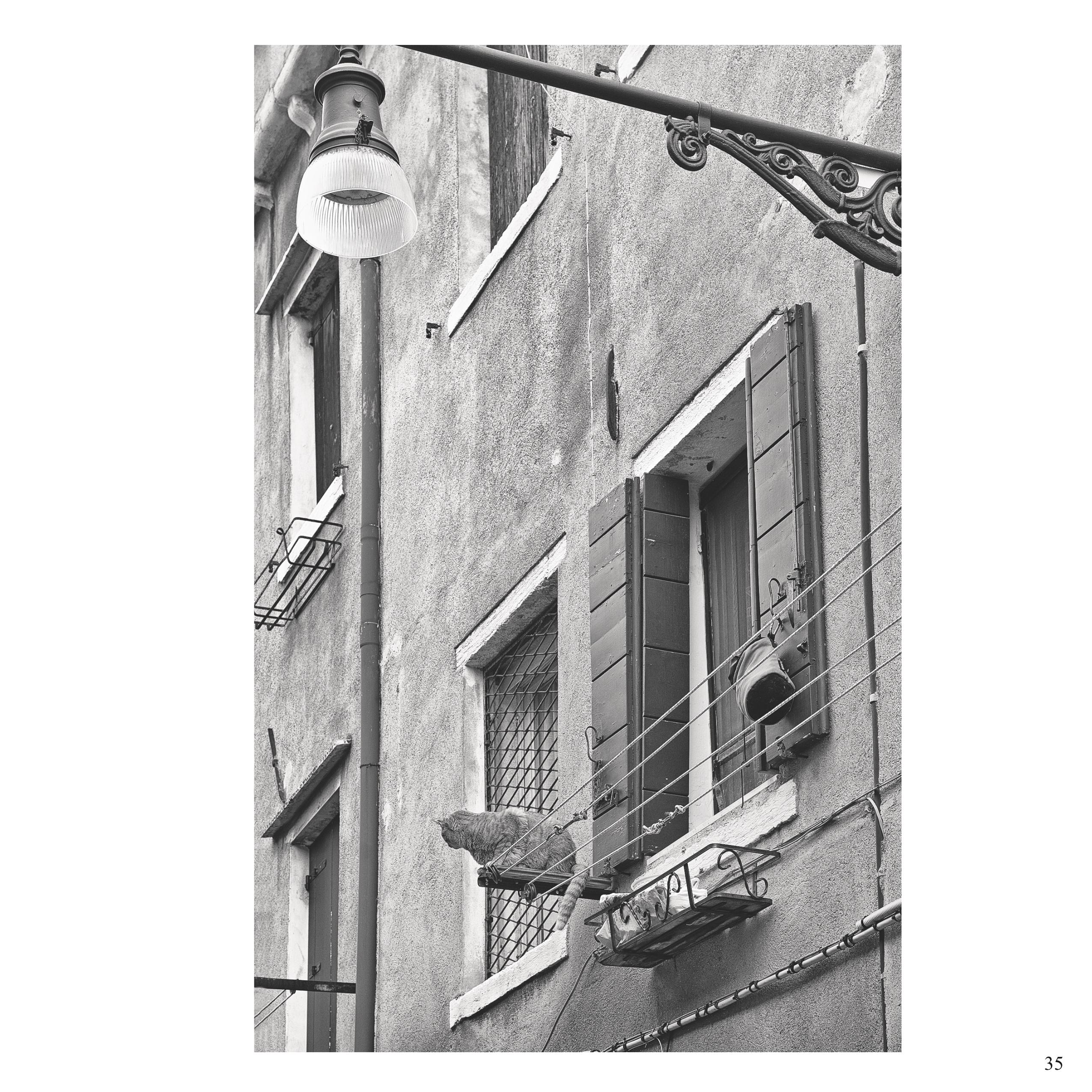
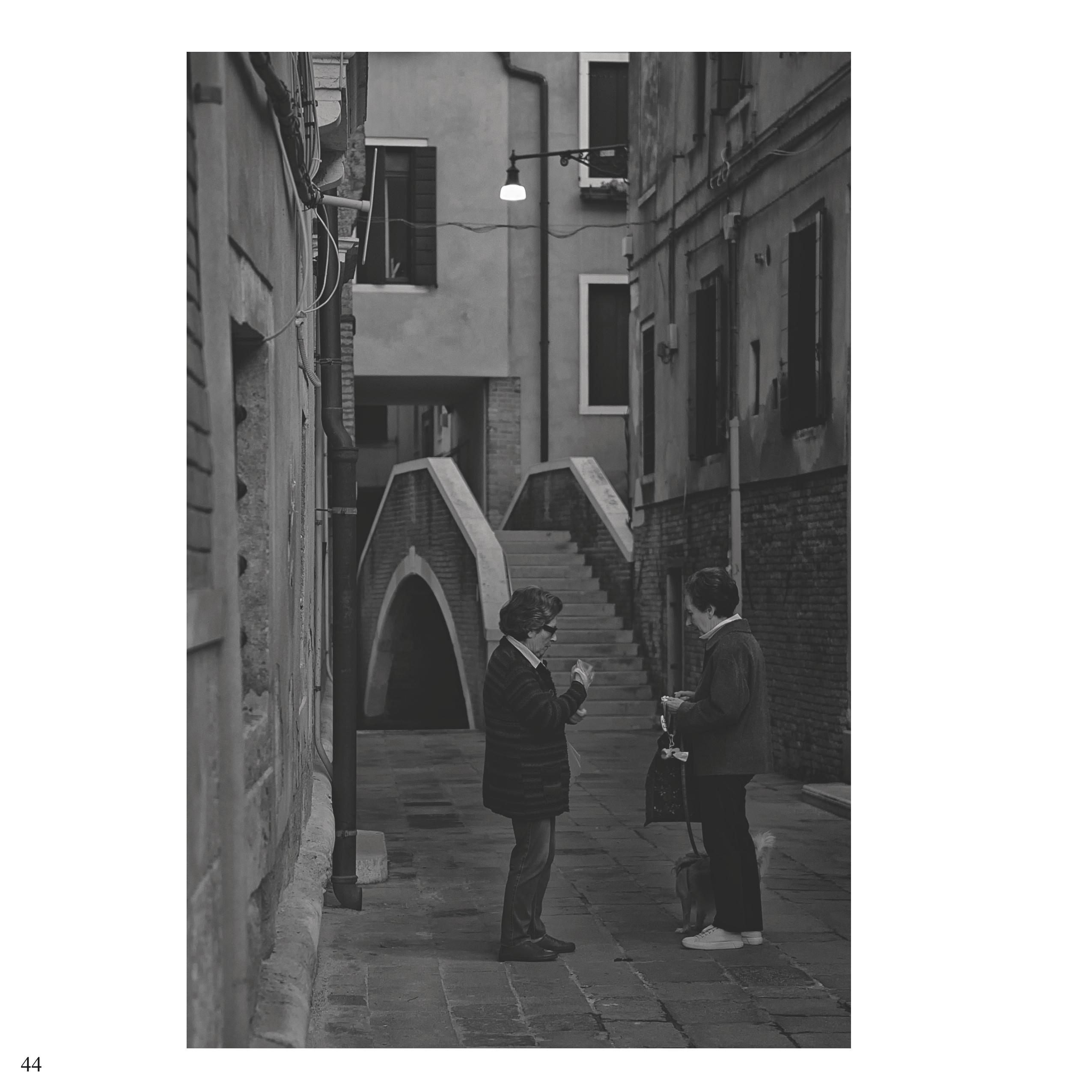
It was, therefore, on the fringes of the tourist area that I discovered the people of Venice going about their daily business, children playing in the squares at dusk, neighbours greeting one another and chatting; and, at the same time, I could see that the coexistence between humans and other animals seemed to be based on mutual tolerance.
If you are interested in this book, which features images from my photo gallery of Venice, please send me an email at xabofarull-photo@t-online.de. Thank you very much.